Category
Scripture & the Canon
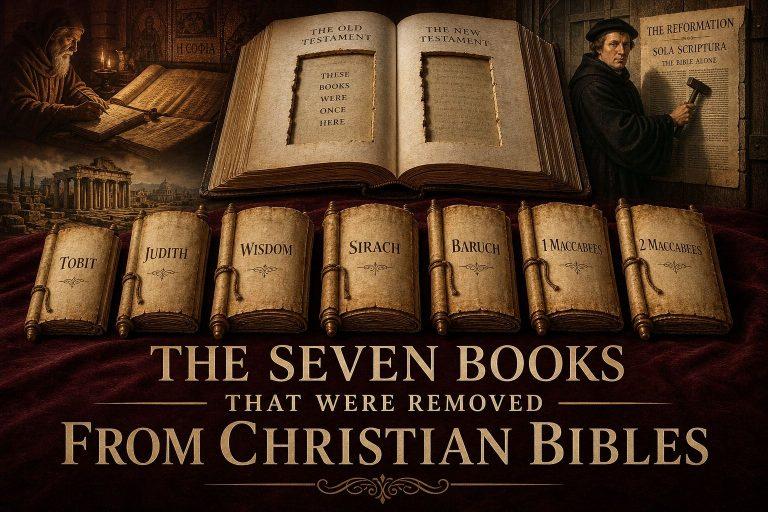
Scripture & the CanonBrief Overview Martin Luther removed seven books from the Old Testament in the early sixteenth century, books that every major Christian community had treated as Scripture for over…
May 14, 2026
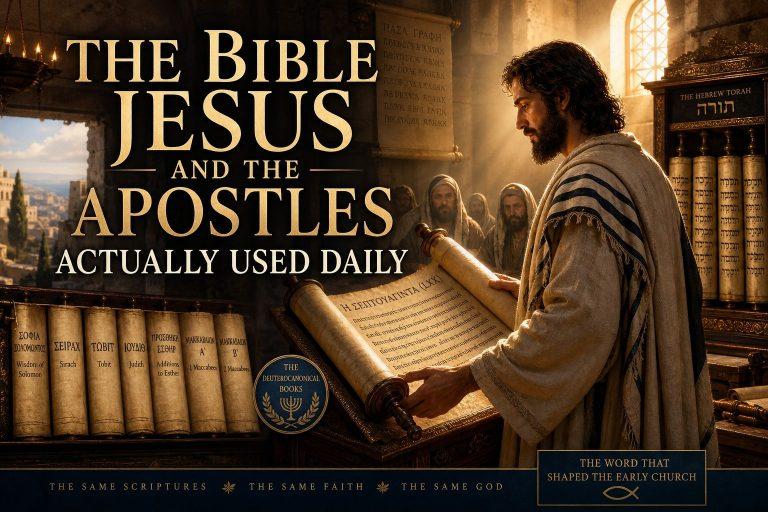
Scripture & the CanonBrief Overview The apostles preached the Gospel using the Greek Septuagint, the Old Testament translation that already contained the seven books Protestants would later remove. The New Testament…
May 14, 2026
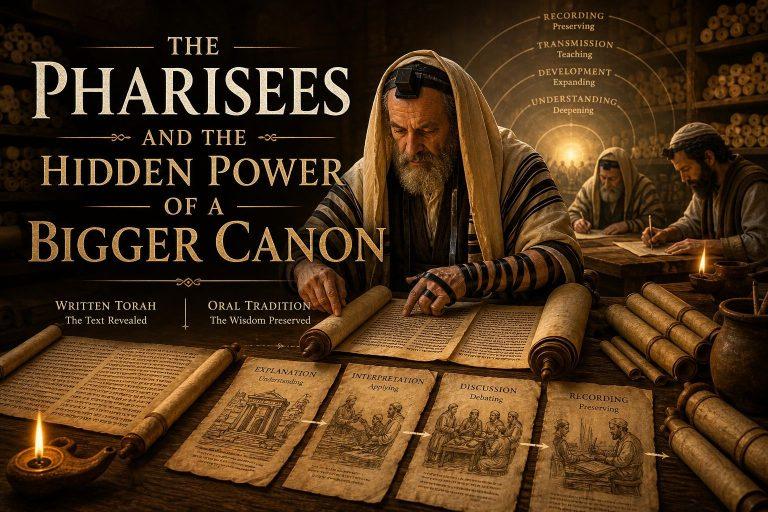
Scripture & the CanonBrief Overview The Pharisees accepted the full Hebrew Bible of thirty-nine books, and that wider canon directly produced their belief in the resurrection, angels, spirits, and final judgment.…
May 14, 2026
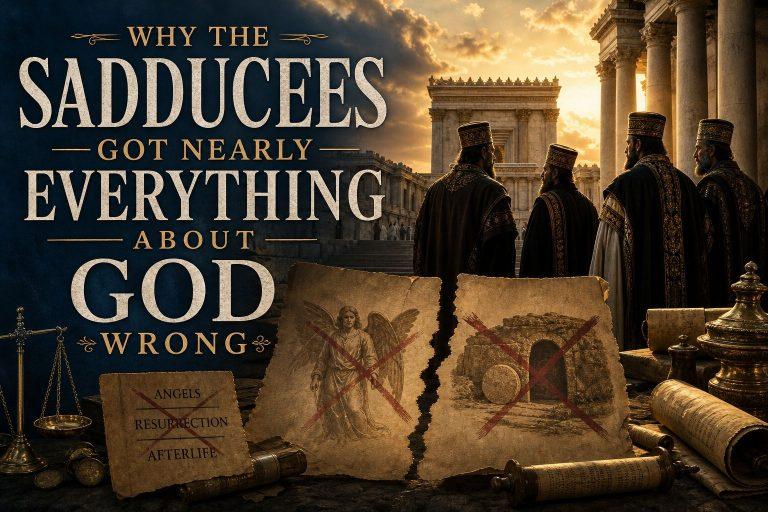
Scripture & the CanonBrief Overview The Sadducees rejected the resurrection, angels, spirits, and the afterlife because they accepted only the first five books of the Old Testament as authoritative Scripture. A…
May 14, 2026
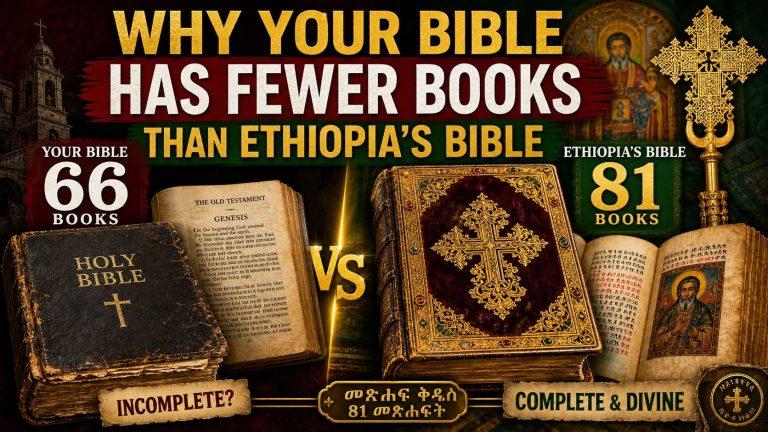
Scripture & the CanonBrief Overview The Ethiopian Orthodox Tewahedo canon contains eighty-one books, the Catholic canon seventy-three, and most Protestant Bibles only sixty-six, which means three Christian families are reading three…
May 9, 2026
Scripture & the CanonBrief Overview The question of who determined the biblical canon is the single most effective challenge a Catholic can pose to any Protestant who holds to Scripture alone…
April 18, 2026
Scripture & the CanonBrief Overview The biblical canon was formally defined at councils held in North Africa, making the continent central to the history of how Christians received their Bible. The…
April 18, 2026
Scripture & the CanonBrief Overview The seven deuterocanonical books that Protestants removed contain some of the most powerful prophecies, prayers, and moral teachings in all of Scripture. Most Protestants have never…
April 18, 2026
Church History & ApologeticsBrief Overview Every book of the New Testament was written by a member of the early Catholic Church, and the canon was formally defined at Catholic councils in…
April 18, 2026
Scripture & the CanonBrief Overview The Book of Enoch is directly quoted in the New Testament at Jude 1:14-15, making it one of the most significant non-canonical texts in Christian history.…
April 18, 2026