
Brief Overview
- God’s acceptance of us is rooted in His unconditional love and mercy, which He extends to every person regardless of their sinful state or failures.
- The Catholic Church teaches that justification is God’s free gift, initiated by His grace and not earned through any human effort or merit.
- Change is necessary because God’s acceptance includes a call to transformation, inviting us to share in His divine life and holiness.
- Sanctification is the lifelong process by which the Holy Spirit renews us from within, gradually conforming us to the image of Christ.
- Our cooperation with God’s grace is essential, as we freely respond to His invitation through faith, repentance, and the sacraments.
- The call to holiness is universal, addressed to all Christians who are invited to grow in love and perfection through the power of the Holy Spirit.
The Mystery of God’s Unconditional Love
God’s love stands as one of the most comforting and yet challenging truths in Catholic teaching. The Church proclaims that God loves each person with an infinite and merciful love that has no conditions attached to it. This means that God does not wait for us to become perfect before He extends His love to us. Instead, He reaches out to us precisely in our brokenness and sinfulness. The parable of the prodigal son in Luke 15:11-32 beautifully captures this reality, showing a father who runs to embrace his wayward son before the young man can even complete his confession. The father does not demand that the son clean himself up first or prove his worthiness through a period of penance. He simply loves him as he is and welcomes him home with open arms. This image reveals something essential about God’s character and His relationship with humanity.
The Catholic tradition has always maintained that God’s love is the starting point of salvation, not the reward for it. Before we ever turn to God, He is already seeking us out. The Catechism speaks to this reality when it addresses the first work of grace, which is conversion itself (CCC 1989). God initiates the process of our salvation by touching our hearts through the Holy Spirit. We do not manufacture faith through our own efforts or willpower. Rather, God plants the seed of faith within us and invites us to respond. This initiative on God’s part demonstrates that His acceptance of us comes first. He does not wait for us to change before He loves us. His love is what makes change possible in the first place.
Understanding this truth helps us avoid two common errors. The first error is thinking that we must earn God’s love through good behavior or religious observance. This turns the relationship with God into a transaction where we perform certain actions and God rewards us accordingly. Such a view misses the heart of the Gospel message and reduces salvation to a business arrangement. The second error is thinking that because God loves us unconditionally, He does not care about our moral choices or spiritual development. This mistake treats God’s mercy as if it were indifference and assumes that love means never challenging or calling someone to growth. Both of these errors distort the true nature of divine love.
God accepts us exactly where we are, but His acceptance is not passive resignation to our current state. When we say that God accepts us, we mean that He receives us into relationship with Himself despite our sins and failures. He does not reject us or turn away from us because we are imperfect. At the same time, His acceptance includes a vision for who we can become through His grace. A parent who truly loves a child accepts that child completely, yet also desires the child’s growth and maturation. The parent does not say that the child’s current limitations or immaturity are the final word. Instead, the parent sees the potential within the child and works to help that potential flourish. God’s love operates in a similar way, though infinitely more perfectly.
The Catholic understanding of God’s mercy emphasizes both the tenderness and the transformative power of divine love. God’s mercy means that He extends forgiveness freely to those who repent, wiping away the guilt and stain of sin. This forgiveness is complete and total, not partial or conditional. Yet mercy also includes the healing and renewal of the person who receives it. When God forgives, He does not simply declare us innocent while leaving us internally unchanged. He actually makes us new creatures through the power of His grace. This transformation is part of what it means to be accepted by God. He accepts us by bringing us into His own life and allowing us to share in His holiness.
The mystery of divine love contains both acceptance and invitation. God accepts us in our sinfulness because His love is not based on our merit. He loves us because of who He is, not because of who we are. God is love itself, and His nature is to pour Himself out for the beloved. At the same time, God invites us into a deeper relationship with Him that will necessarily involve change and growth. This invitation flows from the same love that accepts us. A lover who truly cherishes the beloved desires union and communion, which requires that both parties give themselves fully to the relationship. God’s acceptance is the foundation, and His invitation to transformation is the building that rises from that foundation.
Catholic theology maintains that God’s love is both free and effective. It is free in the sense that God gives it without being compelled or obligated. No one can force God to love them or manipulate Him into extending mercy. His love is a pure gift that flows from His own generous heart. God’s love is also effective in that it accomplishes what it intends. When God loves someone, that love has real power to change the person from within. Divine love is not merely an emotion or sentiment. It is a creative force that brings new life into being. The same love that created the universe out of nothing is at work in the hearts of believers, creating holiness where there was sin and bringing order where there was chaos.
The acceptance we receive from God should not be confused with approval of everything we do. God loves the sinner while hating the sin. He sees the image of Himself in every person and honors that image by treating each individual with dignity and respect. Yet God also recognizes that sin damages and distorts that image. Sin is not merely a breaking of rules; it is a wounding of the human person and a separation from the source of life. When God accepts us, He accepts the person He created us to be, not the distorted version of ourselves that sin has produced. His acceptance means that He is committed to restoring us to our true identity as His beloved children.
This understanding of divine acceptance has practical implications for how we approach the spiritual life. We do not need to wait until we feel worthy before coming to God in prayer. We do not need to achieve a certain level of holiness before seeking the sacraments. God invites us to come as we are, bringing all our struggles and failures with us. He meets us in our present condition and begins the work of transformation from that starting point. The spiritual life is not about presenting a polished exterior to God while hiding our true selves. It is about bringing our authentic selves before Him and allowing His light to shine into every corner of our lives.
The Church’s teaching on God’s unconditional love provides tremendous hope and comfort for those who struggle with feelings of unworthiness or shame. Many people stay away from God because they believe He could never accept them given their past sins or current struggles. They imagine God as harsh and judgmental, quick to condemn and slow to forgive. The truth is quite different. God is rich in mercy and abounds in steadfast love. He is the father who scans the horizon looking for his wayward child to return. He is the shepherd who leaves the ninety-nine to search for the one lost sheep. He is the woman who lights a lamp and sweeps the house until she finds the lost coin. These images from Scripture reveal a God who actively pursues those who are lost and rejoices when they are found.
Justification as God’s Free Gift
The Catholic doctrine of justification addresses how God makes us righteous and brings us into right relationship with Himself. Justification is fundamentally a gift, something received rather than earned or achieved through human effort. The Catechism makes this clear when it states that justification is conferred in Baptism, the sacrament of faith, and conforms us to the righteousness of God who makes us inwardly just by the power of His mercy (CCC 1992). This teaching emphasizes that we do not justify ourselves. God is the one who justifies us through Christ and by the Holy Spirit. Our role is to receive this gift through faith and to cooperate with the grace that God offers.
Understanding justification requires grasping the relationship between grace and human freedom. Grace is not a force that overrides our will or turns us into puppets. Rather, grace works with our freedom, enabling us to do what we could never accomplish on our own. The Catechism speaks of this cooperation, noting that justification establishes a partnership between God’s grace and human freedom (CCC 1993). On the human side, this cooperation expresses itself through the assent of faith to God’s word and through charity that responds to the Holy Spirit’s promptings. God’s grace precedes and preserves this response, making it possible for us to say yes to Him.
The doctrine of justification reveals that salvation is entirely God’s work from beginning to end, yet it requires our free participation. This might seem paradoxical, but it reflects the mystery of how divine sovereignty and human freedom interact. God does not save us against our will, nor does He remain passive while we save ourselves. Instead, He initiates the process of salvation, sustains it through His ongoing grace, and brings it to completion. We participate by opening ourselves to receive what He offers and by allowing His grace to transform us from within. This participation is itself a gift of grace, not something we generate through our own power.
The first work of grace is conversion, which brings about justification in accordance with Christ’s proclamation to repent because the kingdom of heaven is at hand (CCC 1989). Conversion means turning away from sin and toward God. This turning involves both a negative and a positive element. Negatively, it means rejecting sin and its power over our lives. Positively, it means embracing God’s love and allowing ourselves to be drawn into relationship with Him. Conversion is not a one-time event but an ongoing process that continues throughout our lives. We continually turn away from whatever separates us from God and turn toward Him with renewed faith and trust.
Justification accomplishes several things simultaneously. It detaches us from sin, which contradicts God’s love, and purifies our hearts from the stain of sin (CCC 1990). It reconciles us with God, restoring the relationship that sin had broken. It frees us from enslavement to sin, breaking the chains that bound us to destructive patterns of behavior. It heals the damage that sin inflicted on our souls, making us whole again. All of these effects flow from the one gift of justification, which God bestows through the merits of Christ’s Passion. Jesus offered Himself on the cross as a living sacrifice for our sins, and His blood becomes the instrument of atonement for all people.
The righteousness that comes through justification is not merely a legal declaration that leaves us internally unchanged. Catholic teaching insists that justification is both the remission of sins and the sanctification and renewal of the interior person (CCC 1989). When God declares us righteous, He actually makes us righteous by infusing sanctifying grace into our souls. This grace is not just a divine favor or attitude toward us; it is a participation in God’s own life that transforms us from within. Through sanctifying grace, we become temples of the Holy Spirit and share in the divine nature. This sharing makes us holy in reality, not just in name.
The gift of justification includes several theological virtues that are poured into our hearts along with sanctifying grace. Faith gives us the ability to believe in God and accept His revelation. Hope enables us to trust in God’s promises and to look forward to eternal life with confidence. Charity empowers us to love God above all things and to love our neighbor as ourselves. These three virtues form the foundation of the Christian moral life. They are not natural human capacities but supernatural gifts that orient us toward God and enable us to live in a way that pleases Him. Without these infused virtues, we would be incapable of the kind of love and service that God calls us to.
Justification has been merited for us by Christ’s Passion and Death. Jesus did not simply show us an example of how to live or teach us moral principles. He actually accomplished our salvation through His suffering and death on the cross. His sacrifice was sufficient to atone for all the sins of humanity. When we are baptized, we are united with Christ in His death and resurrection. We die to sin and rise to new life in Him. This union with Christ is the basis of our justification. We are made righteous because we have been joined to the one who is Righteousness itself. His merits become ours through the mysterious communion that Baptism establishes.
The Catechism identifies justification as the most excellent work of God’s love made manifest in Christ Jesus and granted by the Holy Spirit (CCC 1994). Saint Augustine taught that the justification of the wicked is a greater work than the creation of heaven and earth. This might sound like an exaggeration, but it points to something true. Creating the physical universe out of nothing is certainly a stupendous act of divine power. Yet taking a human heart that is hardened by sin and transforming it into a heart that loves God requires an even greater manifestation of grace. The first creation brought forth material things that will eventually pass away. The new creation brought about through justification produces eternal life that will never end.
Justification establishes us in a new relationship with God that has both present and future dimensions. In the present, we are truly God’s children, adopted into His family and made heirs of His kingdom. We have access to the Father through Christ and can approach Him with confidence as beloved sons and daughters. In the future, we hope to see God face to face and to enjoy the fullness of eternal life in His presence. This hope is not mere wishful thinking but a confident expectation based on the promises of God and the gift of the Holy Spirit, who is given to us as a guarantee of our inheritance. The Spirit working within us is both the cause of our present holiness and the pledge of our future glory.
The gift of justification calls for a response of gratitude and faithfulness. We have been given something infinitely precious that we could never earn or deserve. The appropriate response is to live in a way that honors the gift we have received. This does not mean that we must earn our salvation after all. Rather, it means that we allow the grace of justification to bear fruit in our lives. The person who has truly grasped the magnitude of God’s mercy will want to serve Him with love and devotion. Good works flow naturally from a heart that has been transformed by grace. These works do not produce justification, but they manifest it and give evidence that grace is truly at work.
The Call to Transformation Through Sanctification
While justification establishes our new relationship with God, sanctification is the ongoing process by which we grow in holiness and become more like Christ. The two are distinct but inseparable. Justification is the foundation; sanctification is the building that rises on that foundation. Justification happens at a definite moment when we receive Baptism and are incorporated into Christ. Sanctification unfolds over the course of our entire lives as we cooperate with the Holy Spirit’s work within us. The Catholic Church teaches that all Christians are called to the fullness of Christian life and to the perfection of charity (CCC 2013). This is not an optional invitation extended only to priests, religious, or especially devout lay people. It is a universal call addressed to every baptized person.
The biblical basis for this call to holiness is found in Jesus’ words recorded in Matthew 5:48, where He commands His disciples to be perfect as their heavenly Father is perfect. This might seem like an impossible standard, and indeed it would be impossible if we had to achieve it through human effort alone. Yet with God all things are possible. God does not command us to do something and then leave us on our own to figure out how to accomplish it. He gives us the grace and strength we need to respond to His call. The perfection to which we are called is not the perfection of someone who never struggles or fails. It is the perfection of charity, which means loving God with our whole heart and loving our neighbor as ourselves.
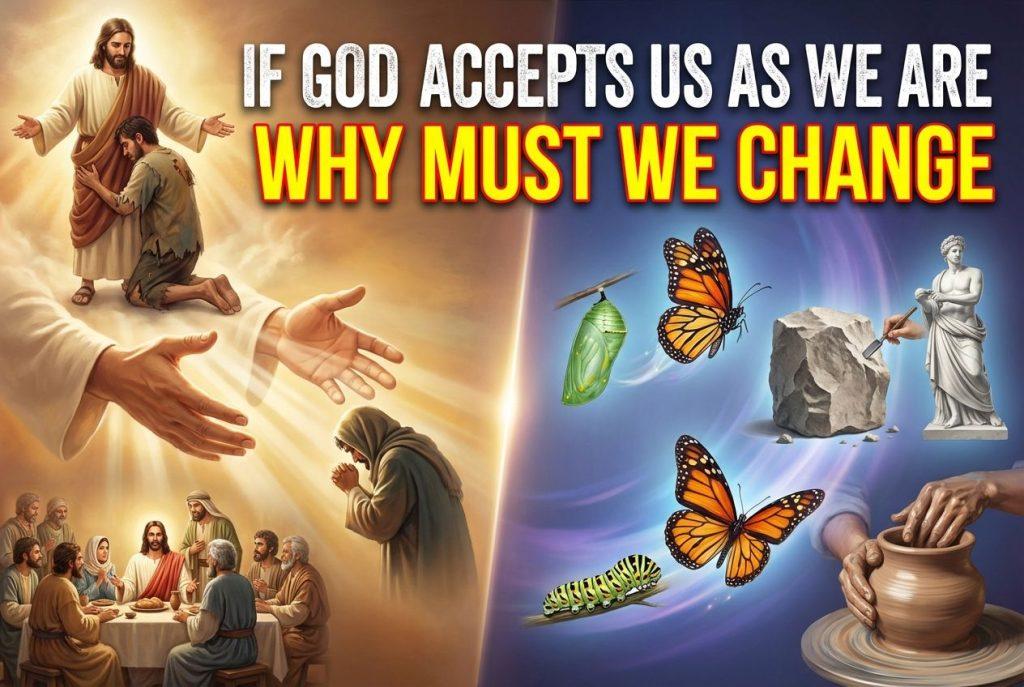
Sanctification involves a real transformation of the person, not merely an external change in behavior. The Holy Spirit works from the inside out, renewing our minds and hearts so that we begin to think and desire differently. Saint Paul speaks of this transformation in Romans 12:2, urging believers not to conform to the pattern of this world but to be transformed by the renewal of their minds. The Greek word used for transformation is the same word from which we get “metamorphosis,” suggesting a complete change like that of a caterpillar becoming a butterfly. This transformation happens gradually as we expose ourselves to God’s truth through Scripture, prayer, and the sacraments. Our old way of thinking shaped by sin gives way to a new way of thinking shaped by grace.
The process of sanctification requires both God’s action and our cooperation. God supplies the grace; we must respond by using the means He has provided. The Catechism notes that the faithful should use the strength dealt out to them by Christ’s gift to do the will of the Father in everything, devoting themselves wholeheartedly to God’s glory and the service of their neighbor (CCC 2013). This cooperation takes many forms. It includes prayer, which keeps us in communion with God and opens us to receive His grace. It includes the sacraments, especially the Eucharist and Reconciliation, which nourish and heal our souls. It includes reading Scripture, which reveals God’s will and transforms our thinking. It includes acts of charity toward others, which make God’s love visible in the world.
Spiritual progress tends toward ever more intimate union with Christ. The Catechism refers to this union as mystical because it participates in the mystery of Christ through the sacraments and, in Him, in the mystery of the Holy Trinity (CCC 2014). God calls all of us to this intimate union, though the special graces or extraordinary signs of mystical life may be granted only to some for the sake of manifesting the gratuitous gift given to all. This means that contemplative prayer and deep communion with God are not reserved for a spiritual elite. Every Christian can grow in intimacy with Christ through the ordinary means of grace. Some may experience extraordinary mystical phenomena, but these are not necessary signs of holiness. True holiness consists in love, which is available to everyone.
The way of perfection necessarily passes by way of the Cross. There is no holiness without renunciation and spiritual battle (CCC 2015). This is one of the hard truths that we must face if we are serious about following Christ. Sanctification involves dying to ourselves and taking up our cross daily. It means saying no to sinful desires and yes to God’s will even when that will is difficult or costly. It means engaging in the spiritual battle against the world, the flesh, and the devil. These enemies of the soul are real and powerful, and they will not yield without a fight. Yet we do not fight alone. Christ has already won the victory, and He shares that victory with us through His grace.
Spiritual progress also entails ascesis and mortification that gradually lead to living in the peace and joy of the Beatitudes (CCC 2015). Ascesis refers to the discipline and training required for spiritual growth. Just as an athlete trains the body through exercise and discipline, so the Christian must train the soul through practices that strengthen virtue and weaken vice. Mortification means putting to death the sinful inclinations that still remain in us even after justification. This might involve fasting, giving up legitimate pleasures for a time, or accepting unavoidable sufferings with patience. These practices are not ends in themselves but means to an end. They help us gain mastery over our disordered desires and free us to love God more fully.
The path of sanctification is marked by both consolation and desolation, both spiritual highs and lows. There are times when God’s presence feels very near and prayer comes easily. There are other times when God seems absent and prayer feels like pushing a boulder uphill. Both experiences are normal parts of the spiritual life. The times of consolation encourage us and give us a taste of the joy that awaits us in heaven. The times of desolation purify us and teach us to love God for His own sake rather than for the good feelings He gives us. What matters is not how we feel but whether we remain faithful. Faithfulness in times of difficulty demonstrates that our love is genuine and not just an emotional response to pleasant experiences.
As we grow in holiness, we become more aware of our sinfulness rather than less. This might seem contradictory, but it makes sense when we understand that greater holiness brings greater clarity. A person living in a dark room does not notice the dust and dirt. Turn on a bright light, and suddenly all the imperfections become visible. As the light of Christ shines more brightly in our souls, we see more clearly the ways in which we still fall short. This growing awareness of our need for mercy keeps us humble and dependent on God. It prevents us from becoming self-righteous or thinking that we have arrived at perfection. The greatest saints were also the most conscious of their own sinfulness.
Sanctification bears fruit in our lives through the growth of virtue and the manifestation of the fruits of the Holy Spirit. Virtue is a habit of doing good that becomes second nature through repeated practice. The cardinal virtues of prudence, justice, fortitude, and temperance govern our natural behavior. The theological virtues of faith, hope, and charity direct us toward God. As these virtues grow stronger, we find it easier to do what is right and harder to do what is wrong. Our character is gradually transformed so that we become the kind of people who naturally choose the good. The fruits of the Spirit mentioned in Galatians 5:22-23 also become more evident: love, joy, peace, patience, kindness, goodness, faithfulness, gentleness, and self-control.
The process of sanctification will not be completed until we reach heaven. We will struggle with sin and temptation as long as we live in this world. Yet we can make real progress in holiness even here and now. Each time we choose to cooperate with grace rather than resist it, we take a step forward. Each time we get up after falling and ask for God’s mercy, we grow in humility. Each time we choose love over selfishness, we become more like Christ. These small choices accumulate over time and produce genuine transformation. The person who cooperates faithfully with grace over many years will look back and see how far God has brought them, even if they still have a long way to go.
The Relationship Between God’s Love and Our Response
God’s love always comes first, preceding any movement on our part toward Him. The Catechism emphasizes that our justification comes from the grace of God, and grace is favor, the free and undeserved help that God gives us to respond to His call (CCC 1996). The fatherly action of God is first on His own initiative, and then our response follows. We love because He first loved us, as Saint John writes in his first letter. This priority of divine love is absolutely crucial for understanding the Christian life. We do not earn God’s love by changing; rather, His love empowers us to change. Our transformation is a response to grace that has already been given, not a prerequisite for receiving grace.
Yet while God’s love comes first, it does not eliminate the need for our response. God treats us as free persons, not as objects to be manipulated or programmed. He invites us into a loving relationship, and relationships require the free participation of both parties. We must choose to accept God’s love and to cooperate with His grace. This choice is not made once and for all but must be renewed continually throughout our lives. Each day presents new opportunities to say yes to God or to turn away from Him. The spiritual life is a series of choices, some momentous and others seemingly small, through which we either move closer to God or drift away from Him.
The freedom with which we respond to grace is itself a gift from God. Original sin damaged human freedom, inclining us toward evil and making it difficult to do good consistently. Through justification, God heals and elevates our freedom, enabling us to choose Him and to cooperate with His grace. This does not mean that we become incapable of sin after justification. We retain the ability to choose wrongly and to resist grace. Yet grace gives us a new power to choose rightly that we did not have before. It strengthens our will and helps us overcome the disordered desires that pull us toward sin. The more we cooperate with grace, the freer we become to do what we truly want, which is to love and serve God.
God’s love is both gift and demand. As gift, it offers us everything we need for salvation without any conditions. As demand, it calls us to respond with our whole being. Jesus summarized the entire law in two commandments: love God with all your heart, soul, mind, and strength, and love your neighbor as yourself. These commandments express both the gift and the demand. God has loved us with an infinite love, and He calls us to return that love with everything we have. He has given us His own life through grace, and He asks us to give our lives back to Him as a living sacrifice. This might sound like a heavy burden, but it is actually the path to true freedom and joy.
The relationship between God’s love and our response can be understood through the image of a dance. God leads and we follow. He initiates every movement, and we respond to His lead. A good dancer does not fight against the lead or try to go in a different direction. She learns to feel the subtle cues of her partner and to move in harmony with him. Yet following the lead is not passive; it requires attention, skill, and cooperation. The dance works only when both partners participate fully. So it is with God and the soul. He leads us through His grace, and we must learn to sense His movements and to cooperate with them. The result is a beautiful harmony that glorifies God and brings joy to the soul.
Our response to God’s love should flow from gratitude rather than obligation. When we truly grasp how much God has done for us, the natural response is thanksgiving and joy. We do not serve God because we have to but because we want to. We do not obey His commandments to avoid punishment but because we trust that His ways are best for us. Gratitude is the healthiest motivation for the spiritual life. It keeps us from falling into either presumption or despair. Presumption says that God’s mercy is automatic and requires nothing from us. Despair says that we can never do enough to please God. Gratitude recognizes that everything is gift while also acknowledging that gifts call for a response.
The biblical witness consistently presents God’s love as something that demands a response. When God delivered Israel from slavery in Egypt, He expected the people to keep His covenant and to live according to His law. When God sent His Son to die for our sins, He called people to repent and believe the Gospel. When Jesus appeared to Saul on the road to Damascus, He asked, “Why do you persecute me?” and called Saul to a new way of life. God’s love is not indifferent to how we live. It cares deeply about our choices and our character. This is not because God needs something from us but because He knows what we need. We need to become holy in order to be happy. We need to be transformed in order to be capable of eternal life with God.
The proper response to God’s love includes both faith and works. Faith is the foundation, the trust in God that enables us to receive His grace and to believe His promises. Works are the fruit that naturally grows from living faith. Saint James tells us that faith without works is dead. This does not mean that works save us apart from grace. It means that genuine faith always produces good works as its fruit. A living tree naturally produces fruit; a dead tree produces nothing. The same is true of faith. If someone claims to have faith but shows no evidence of love and service, we can rightly question whether that faith is genuine. Real faith transforms the whole person and expresses itself in action.
Our response to God must be ongoing, not just an initial conversion. The Christian life is not like crossing a finish line where we can stop running. It is more like a marriage that requires constant attention and renewal. We must continually choose to say yes to God, to cooperate with His grace, and to grow in holiness. There will be setbacks and failures along the way. We will sin and need to seek forgiveness. We will grow lukewarm and need to rekindle our first love. We will face temptations and trials that test our faith. Through all of this, God remains faithful, always ready to strengthen us with His grace if we ask for it. Our part is to keep coming back to Him, to keep saying yes even when it is difficult.
The ultimate response to God’s love is surrender, which means giving ourselves completely to Him without reservation or condition. This sounds scary because we are asked to give up control and to trust ourselves to Another. Yet it is also incredibly freeing. When we stop trying to run our own lives and instead allow God to direct us, we experience a peace that surpasses understanding. We stop struggling against the way things are and instead accept God’s will as good and perfect. Surrender does not mean passivity or fatalism. It means active cooperation with God’s plan for our lives. It means trusting that He knows best and following wherever He leads, even when we cannot see the destination.
Why Change Is Essential for Our Good
Change is necessary not because God will reject us if we remain as we are, but because remaining as we are would prevent us from experiencing the fullness of life that God intends for us. Sin damages us and makes us incapable of the happiness and peace for which we were created. God’s desire for our transformation flows from His love and His knowledge of what we truly need. A doctor who diagnoses a serious illness and prescribes treatment is not being harsh or demanding. The doctor wants the patient to be well and knows that healing requires following the prescribed course of treatment. Similarly, God calls us to change because He wants us to be whole and to experience the abundant life that comes from living in harmony with Him.
Human beings were created for communion with God, and nothing else can satisfy the deepest longings of the human heart. Saint Augustine expressed this truth in his famous prayer: “You have made us for yourself, O Lord, and our hearts are restless until they rest in you.” We try to fill the emptiness within us with all sorts of things: pleasure, success, relationships, possessions, experiences. Some of these things are good in themselves, but none of them can give us what we ultimately need. Only God can satisfy the infinite desire that He Himself has placed within us. Sin turns us away from the source of life and directs us toward created things that cannot fulfill us. Change is necessary so that we can reorient ourselves toward God and find the satisfaction we seek.
The transformation God desires for us is not arbitrary or external. It is not like a teacher imposing random rules that have no real purpose. God’s commandments and His call to holiness reflect the way we are made and the conditions necessary for human flourishing. When we live according to God’s design, we experience freedom and joy. When we violate that design through sin, we experience the natural consequences in the form of suffering and disorder. God’s moral law is not a set of restrictions meant to limit our happiness but a revelation of how to live in a way that leads to genuine fulfillment. Change is essential because it brings us into alignment with reality and with our true nature as image-bearers of God.
Sin creates a disorder within us that affects every dimension of our being. It clouds our minds so that we have difficulty perceiving the truth. It weakens our wills so that we struggle to do what we know is right. It disorders our desires so that we crave things that harm us and avoid things that would benefit us. It damages our relationships with others, creating conflict and division. It separates us from God, the source of our life. The transformation that God works in us through grace heals all of these dimensions. It enlightens our minds, strengthens our wills, orders our desires, restores our relationships, and reunites us with God. This healing is not instantaneous or automatic, but it is real and progressive.
The change that God calls us to is ultimately about becoming who we truly are. Sin distorts and disfigures the image of God within us. It makes us into something less than we were meant to be. Grace restores that image and enables us to become our authentic selves. We sometimes think that holiness means suppressing our true personality and becoming some kind of colorless, uniform saint. The opposite is true. Holiness allows our unique personality and gifts to flourish in the way God intended. The saints are not all alike; each one reflects God’s glory in a unique way. When we cooperate with grace, we become more fully ourselves, not less.
Change is also necessary because we are created for eternal life with God, and we must be prepared for that destiny. Heaven is not simply a reward that God gives to good people. It is a state of perfect communion with God in which we share His life and love completely. This kind of communion requires that we be transformed into people capable of receiving it. A person who has spent their whole life rejecting God and pursuing sin would not be happy in heaven. They would be like someone who has never exercised trying to run a marathon or someone who has never studied music trying to perform a symphony. Heaven requires preparation, and that preparation is the work of sanctification. God changes us so that we can enjoy the eternal happiness He has prepared for us.
The transformation that God desires includes both negative and positive elements. Negatively, we must turn away from sin and reject the patterns of thinking and behavior that separate us from God. This often involves painful self-denial and sacrifice. We must give up things that we enjoy but that harm us spiritually. We must break habits that have become deeply ingrained. We must resist temptations that feel overwhelmingly powerful. This negative work is necessary but not sufficient. Positively, we must cultivate virtue and grow in love. We must develop new habits of thought and action that align with God’s will. We must practice the spiritual disciplines that nourish our souls. We must serve others and work for justice. This positive work fills the space left by the negative work and prevents us from simply falling back into old patterns.
Scripture presents transformation as a non-negotiable aspect of the Christian life. Saint Paul writes in 2 Corinthians 3:18 that believers are being transformed into the image of Christ from one degree of glory to another. In Ephesians 4:22-24, he urges Christians to put off the old self corrupted by deceitful desires and to put on the new self created to be like God in true righteousness and holiness. In Romans 12:2, he calls for transformation through the renewal of the mind. These passages make clear that change is not optional for those who follow Christ. It is an essential part of what it means to be a Christian. We are works in progress, being transformed by the Holy Spirit into the likeness of Christ.
Change is also necessary for the sake of others and for the mission of the Church. God does not transform us only for our own benefit but also so that we can be instruments of His grace in the world. When we grow in holiness, we become more effective witnesses to the Gospel. Our lives demonstrate that God is real and that His grace has power to change people. We become better able to love and serve those around us. We contribute to building up the body of Christ and to extending God’s kingdom on earth. Our personal transformation has social dimensions because we are not isolated individuals but members of a community. When one member grows in holiness, the whole body benefits.
The necessity of change does not mean that God’s love is conditional. God loves us now, in our present state, with all our faults and failures. His love does not increase when we make progress in holiness or decrease when we fall back into sin. God’s love is constant and unchanging. Yet the purpose of His love is to draw us into ever deeper communion with Him, and that communion requires transformation. A parent loves a child unconditionally from birth, yet the parent also desires the child to grow and mature. The love is constant, but the goal is growth. So it is with God. He loves us perfectly as we are, and He loves us too much to leave us as we are. His unchanging love is the force that drives our change.
Merit and Cooperation with Divine Grace
Catholic teaching on merit often causes confusion because it can sound as if we earn salvation through our good works. This is not what the Church teaches. The Catechism is clear that the merit of our actions before God arises from the fact that God has freely chosen to associate us with the work of His grace (CCC 2008). Everything good that we do is ultimately a gift from God. The ability to do good works, the desire to do them, the actual performance of them, and the eternal reward that follows from them all come from God. Yet God graciously counts these works as if they were entirely ours and rewards them accordingly. This is the mystery of divine generosity, which makes us partners in His work while recognizing that He is the source of everything.
With regard to God, there is no strict right to merit on our part. Between God and us there is an immeasurable inequality, for we have received everything from Him, our Creator (CCC 2007). God owes us nothing. He gives us life, sustains us in existence, redeems us from sin, and offers us eternal happiness. All of this is pure gift. We cannot put God in our debt or obligate Him to reward us. Yet God freely establishes a relationship with us in which He commits Himself to reward our cooperation with His grace. This reward is not something we earn in the strict sense, but it is something God promises to give to those who persevere in faith and love.
The concept of merit makes sense only in the context of grace. Apart from grace, we are incapable of any action that has value before God. Original sin has so damaged human nature that we cannot even desire the good without God’s help, much less accomplish it. When God justifies us, He infuses sanctifying grace into our souls and gives us the theological virtues of faith, hope, and charity. These gifts enable us to perform actions that are truly good and meritorious. The merit belongs to us because we freely cooperate with grace, yet it also belongs to God because He is the one who makes our cooperation possible. There is no competition between divine action and human action; rather, they work together in a mysterious harmony.
No one can merit the initial grace of forgiveness and justification at the beginning of conversion (CCC 2010). This makes perfect sense when we consider that conversion itself is a gift from God. We cannot make ourselves receptive to grace through our own efforts. God must first work in us to create that receptivity. Once we have been justified and have received sanctifying grace, however, we can then merit further graces for ourselves and for others through our good works done in charity. We can also merit an increase in grace and charity and the attainment of eternal life. These statements might sound contradictory, but they reflect the different stages of the spiritual life. The beginning is pure gift; the continuation involves cooperation.
The grace we need for meritorious actions is itself the object of Christian prayer (CCC 2010). We must continually ask God for the grace to do His will. Even the prayer itself is prompted by grace. We cannot take a single step toward God without His help. This does not make our efforts meaningless; rather, it situates them in their proper context. We are entirely dependent on God, yet He chooses to work through our free cooperation. Prayer acknowledges this dependence and opens us to receive the grace we need. The person who prays consistently and humbly will be given the grace to grow in holiness. The person who relies on their own strength apart from prayer will inevitably fall.
God’s gracious plan includes rewarding human actions with eternal life. This might seem strange given that eternal life is itself a gift of God’s grace. How can something be both a gift and a reward? The answer lies in understanding that God establishes a covenant relationship with us in which He binds Himself to reward our faithfulness. The reward is still grace because God gives us the ability to be faithful in the first place. Yet it is also truly our reward because we freely cooperated with that grace. Saint Paul speaks of the crown of righteousness that the Lord will award to him and to all who have longed for His appearing. This crown is real, not just a metaphor. God genuinely rewards those who serve Him faithfully.
The teaching on merit protects several important truths. First, it affirms human freedom and responsibility. We are not puppets whose strings God pulls. We make real choices that have real consequences. Our cooperation with grace matters. Second, it affirms the value of good works. What we do in this life is not meaningless or irrelevant. God takes our actions seriously and rewards them. Third, it maintains God’s absolute priority and sovereignty. Everything we have and everything we accomplish comes from Him. We can never boast as if we had achieved something on our own. Fourth, it expresses the dignity that God gives to human persons. He treats us as partners in His work rather than as passive recipients of His action.
Understanding merit helps us see how God’s acceptance and His call to change fit together. God accepts us at the beginning of our conversion through pure grace, before we have done anything to merit His favor. His acceptance is unconditional and complete. Yet once we have been accepted and justified, God establishes a relationship in which our free cooperation matters and is rewarded. He does not treat us like children who can never grow up and take responsibility. He treats us like adults who can respond to His love with genuine love of our own. This response, empowered by grace, has merit before God. Our change is both gift and task, both God’s work and ours.
The doctrine of merit should inspire confidence rather than anxiety. We do not have to wonder whether our efforts matter or whether God will keep His promises. He has committed Himself to reward those who seek Him. At the same time, we should not become proud or think that we deserve God’s rewards. Everything is grace from beginning to end. The proper attitude is one of humble gratitude. We thank God for the grace He has given us and for the opportunity to cooperate with Him. We rely entirely on His strength while giving our very best effort. We trust that He who began a good work in us will bring it to completion.
Christian life is not about passively waiting for God to do everything while we do nothing. Nor is it about trying to save ourselves through our own efforts apart from grace. It is about active cooperation with divine grace. God initiates, sustains, and completes the work of our salvation. We respond by saying yes to His invitations, by using the means of grace He provides, and by striving to grow in holiness. This cooperation is itself a gift from God, yet it is also genuinely ours. We work out our salvation with fear and trembling, knowing that it is God who works in us both to will and to act according to His good purpose. This paradox is at the heart of Catholic spirituality and reflects the profound mystery of how divine grace and human freedom interact.
Living Between Acceptance and Transformation
The tension between God’s acceptance and His call to transformation is not a problem to be solved but a mystery to be lived. We must hold both truths together without collapsing one into the other. On one hand, God loves us completely and unconditionally as we are right now. His love is not waiting for us to get our act together. On the other hand, God calls us to change and to grow in holiness because He loves us too much to leave us in our sin. Both of these statements are true, and both are necessary for a mature Christian faith. If we emphasize acceptance without transformation, we risk presumption and moral complacency. If we emphasize transformation without acceptance, we risk legalism and despair.
This tension creates a healthy dynamic in the spiritual life. Knowing that God accepts us gives us the security and confidence to face our faults honestly. We do not have to pretend to be better than we are or hide our struggles from God. We can come before Him as we truly are, with all our failures and weaknesses, and know that we will be received with love. This radical acceptance provides the foundation for genuine change. People change not when they are condemned and rejected but when they are loved and accepted. God’s unconditional love creates a safe space where transformation can happen.
At the same time, God’s call to holiness prevents us from becoming complacent. We cannot use divine mercy as an excuse to remain in sin or to avoid the difficult work of spiritual growth. God’s love is not indifferent to our choices. He cares deeply about how we live and about the kind of people we are becoming. His call to holiness challenges us to move beyond our comfort zones and to let go of the sins we have grown attached to. It pushes us to develop virtues that do not come naturally to us. It demands that we take up our cross and follow Christ wherever He leads, even when the path is difficult.
The Christian life requires learning to receive God’s acceptance while also responding to His call. These are not two separate activities but two aspects of a single relationship. When we rest in God’s love, we are also being transformed by that love. When we strive to grow in holiness, we are also experiencing God’s acceptance because He accepts our efforts even when they fall short. The spiritual life is not about getting the balance exactly right or about keeping two opposing forces in equilibrium. It is about allowing ourselves to be held by God’s love while also cooperating with His transforming grace.
Many Christians struggle with one side of this tension or the other. Some focus so much on God’s acceptance that they neglect the call to holiness. They emphasize that we are saved by grace through faith and not by works. They stress God’s unconditional love and mercy. All of this is true and important, but if taken alone, it can lead to a faith that makes no real demands and produces no real change. Other Christians focus so much on transformation that they lose sight of acceptance. They emphasize the need for holiness and the requirements of discipleship. They stress the demands of the Gospel and the narrow path that leads to life. This too is true and important, but if taken alone, it can lead to anxiety, self-righteousness, and a performance-based faith.
The Church’s teaching gives us both acceptance and transformation in their proper relationship. We are accepted by God through Christ’s merits, not our own. This acceptance is complete and irrevocable for those who remain in faith. We do not have to earn God’s love or prove our worth. At the same time, God’s acceptance is not indifferent to our moral and spiritual state. He accepts us in order to transform us. His love is both healing and demanding. It receives us as we are and empowers us to become what we are not yet. This is the beautiful paradox of grace, which both comforts and challenges, both gives rest and calls to action.
Living in this tension requires wisdom and discernment. There are times when we need to hear the message of acceptance more than the message of transformation. When we are struggling with guilt or shame, when we feel like failures, when we are overwhelmed by our weaknesses, we need to remember that God’s love is unconditional. We need to rest in His mercy and receive His forgiveness. There are other times when we need to hear the message of transformation more than the message of acceptance. When we are becoming complacent, when we are rationalizing sin, when we are settling for mediocrity, we need to remember that God calls us to holiness. We need to respond to His challenge and to cooperate with His grace.
The sacraments embody this dual reality of acceptance and transformation. In Baptism, we are accepted into God’s family and incorporated into Christ. We receive the gift of new life without having done anything to deserve it. Yet Baptism also initiates the process of transformation, as we are configured to Christ’s death and resurrection and called to live in newness of life. In Reconciliation, we experience God’s acceptance as He forgives our sins and welcomes us back like the father welcoming the prodigal son. Yet we also receive grace to amend our lives and to avoid sin in the future. In the Eucharist, we are nourished by Christ’s body and blood, receiving the food we need for our spiritual lives. Yet the Eucharist also transforms us into the body of Christ and sends us out to transform the world.
The lives of the saints show us what it looks like to hold acceptance and transformation together. The saints had a profound awareness of God’s love and mercy. They knew that they were sinners saved by grace. They did not trust in their own merits but in Christ’s. At the same time, the saints cooperated wholeheartedly with God’s transforming grace. They pursued holiness with determination and discipline. They practiced heroic virtue. They made great sacrifices for the sake of the Gospel. Their lives demonstrate that accepting God’s love and striving for transformation are not contradictory but complementary. The more we rest in God’s acceptance, the more we are empowered to change. The more we cooperate with transforming grace, the more deeply we experience God’s love.
This tension will remain with us throughout our earthly lives. We will never reach a point where we no longer need to hear about God’s acceptance because we have become perfectly holy. We will never reach a point where we can stop striving for transformation because we have fully received God’s love. Both messages remain relevant from the beginning of our conversion to the end of our lives. The spiritual life is a continual movement between these two poles, like breathing in and breathing out. We receive God’s love, and we respond by allowing Him to change us. We strive for holiness, and we rest in His mercy when we fail. This rhythm continues until we reach our heavenly home, where acceptance and transformation will finally be perfectly united in the beatific vision.
The Practical Implications for Daily Life
Understanding the relationship between God’s acceptance and His call to change has significant implications for how we live each day. This theological truth is not merely abstract doctrine but a practical reality that should shape our thoughts, attitudes, and actions. When we truly grasp that God accepts us while also calling us to transformation, it affects how we pray, how we deal with sin, how we relate to others, and how we make decisions. The Christian faith is meant to be lived, not just believed intellectually. These truths must work themselves out in the concrete circumstances of our daily lives.
Prayer becomes more honest and intimate when we understand that God accepts us as we are. We do not have to present a false image of ourselves when we come before Him. We can bring our doubts, our struggles, our anger, our confusion, all of it into our prayer. God already knows what is in our hearts; there is no point in pretending otherwise. The Psalms model this kind of honest prayer, with the psalmists expressing every emotion before God. Yet prayer also becomes a means of transformation as we expose ourselves to God’s presence and allow His truth to shape us. We do not just vent our feelings to God; we also listen to Him and allow His word to change our perspective.
Dealing with sin requires holding together God’s mercy and His call to holiness. When we fall into sin, we should not wallow in guilt or give in to despair. God’s mercy is greater than any sin we could commit. We should quickly turn to Him in repentance, confident that He will forgive us and welcome us back. The Sacrament of Reconciliation is a tangible expression of God’s acceptance, where we experience His forgiveness in a personal and powerful way. Yet we should also take sin seriously and strive to avoid it in the future. God’s mercy is not a license to sin but a motivation to live better. We should examine the circumstances that led to our sin and take practical steps to avoid those situations in the future.
Our relationships with others should reflect the balance of acceptance and challenge that God shows us. We should accept people as they are, with all their faults and limitations. This does not mean approving of everything they do or ignoring serious problems. It means treating them with dignity and respect, recognizing the image of God in them even when they are not living up to it. At the same time, we should challenge those we love to grow and to become their best selves. True love wants what is best for the beloved, even when that requires difficult conversations or uncomfortable truths. The key is to challenge from a place of love rather than judgment, and always with humility about our own failings.
Making decisions becomes clearer when we understand that God calls us to holiness. Some choices are morally neutral, and we have freedom to decide based on prudence and preference. Other choices have clear moral implications, and we must choose what is right even when it is difficult or costly. Still other choices involve discerning God’s specific will for our lives, such as vocational decisions or major life changes. In all of these situations, we should ask not just what we want but what God is calling us to. We should consider how each option will affect our spiritual growth and our ability to love and serve God and neighbor. This does not make decisions easy, but it provides a framework for making them well.
The struggle to change ingrained habits and patterns of sin requires patience with ourselves and reliance on God’s grace. Transformation does not happen overnight. Habits that have been formed over many years will take time to break. We will experience setbacks and failures along the way. The important thing is to keep trying, to keep cooperating with grace, and to keep asking God for help. We should celebrate small victories rather than focusing only on how far we still have to go. We should also be wise about the means we use. If a particular situation always leads us into temptation, we should avoid that situation if possible. If a particular spiritual practice helps us grow, we should make it a regular part of our routine.
Work and daily responsibilities can become opportunities for transformation when we approach them with the right attitude. We do not have to withdraw from the world to grow in holiness. God calls most people to live out their faith in the midst of ordinary life, with jobs and families and responsibilities. These daily tasks become occasions for practicing virtue. Patience is developed when we deal with difficult coworkers. Diligence is strengthened when we complete tasks well even when no one is watching. Charity is expressed when we serve the needs of family members without expecting recognition or reward. The key is to offer everything we do to God and to do it as an act of love rather than mere duty.
Suffering and trials take on new meaning in light of God’s transforming work. We will all face difficulties in this life: illness, loss, disappointment, failure, persecution. These experiences can either embitter us or purify us, depending on how we respond to them. When we unite our sufferings to Christ’s suffering on the cross, they become redemptive. They burn away our selfishness and teach us to rely on God rather than ourselves. They reveal what is truly important and help us let go of what is passing and superficial. We should not seek suffering for its own sake, but when it comes, we can trust that God will use it for our good if we cooperate with His grace.
Community life in the Church provides both support and accountability for our growth in holiness. We are not meant to pursue transformation alone. We need the encouragement of fellow believers who can pray for us, challenge us, and remind us of God’s truth. We need the example of more mature Christians who show us what holiness looks like in practice. We need the correction of wise spiritual directors or confessors who can help us see our blind spots. At the same time, we have a responsibility to support others in their spiritual growth. We should encourage those who are struggling, celebrate with those who are making progress, and gently challenge those who are becoming complacent.
The ultimate goal of all these practical applications is to grow in love. Love of God and love of neighbor are not separate from transformation; they are the essence of it. When we grow in holiness, we are growing in our capacity to love. When we cooperate with God’s grace, we are allowing His love to flow through us to others. The most important question we can ask about any situation is not “What is the rule?” but “What does love require?” Rules and principles are important, but they serve love, which is the fulfillment of the law. A person who truly loves God and neighbor will naturally avoid sin and pursue virtue. A person who focuses only on rules without love will become rigid and judgmental.
Conclusion: The Gift and the Call
The question of why we must change if God accepts us as we are finds its answer in the nature of divine love itself. God’s acceptance is real, complete, and unconditional. He does not wait for us to improve before extending His love and mercy. He meets us where we are and receives us into relationship with Himself through the free gift of His grace. This acceptance is not based on our worthiness but on His infinite goodness. It is the foundation of our hope and the source of our confidence. We can approach God without fear, knowing that we will find mercy and grace in our time of need. This truth should fill us with peace and joy, liberating us from the anxious striving to earn God’s favor.
Yet God’s acceptance does not mean that He is indifferent to our moral and spiritual condition. His love is not a passive tolerance that allows us to remain in our sins. Divine love is active, transforming, and purposeful. God accepts us in order to transform us. He receives us as we are so that He can make us into what we are meant to be. His call to change flows from the same love that accepts us. He wants us to be happy, and He knows that happiness comes from being holy. He wants us to share in His own life, and that requires that we be transformed into His likeness. The call to transformation is not a burden but an invitation to abundant life.
The Christian life holds together these two truths in creative tension. We rest in God’s acceptance while responding to His call. We celebrate His mercy while striving for holiness. We trust in His grace while cooperating with it through our own efforts. This is not a balancing act where we try to keep two opposing forces in equilibrium. It is a unified reality where acceptance and transformation are two aspects of the same divine love. God’s love accepts us, and God’s love changes us. We receive both as gift and respond to both with gratitude and trust. The spiritual life is not about choosing between grace and effort, between faith and works, between God’s action and our action. It is about holding all of these together in the way that Catholic teaching presents them.
Human nature is wounded by sin but called to glory. We bear the image of God, but that image has been distorted and obscured. Justification restores the image and begins the process of transformation that will continue throughout our earthly lives and beyond. Sanctification is the gradual healing of all that sin has damaged. It involves the renewal of our minds, the strengthening of our wills, the ordering of our desires, and the restoration of our relationships. This transformation is God’s work, accomplished by the Holy Spirit who dwells within us. Yet it is also our work, as we freely cooperate with grace and allow ourselves to be shaped by divine love. Both statements are true, and both are necessary for understanding the Christian life.
The call to perfection that Jesus issues in Matthew 5:48 is not an impossible demand but a gracious invitation. God does not command us to be perfect and then leave us to struggle on our own. He gives us everything we need to respond to His call. He provides the sacraments as channels of grace. He gives us the Scriptures as a lamp for our path. He offers us prayer as a means of communion with Him. He surrounds us with the community of the Church to support and encourage us. He sends the Holy Spirit to dwell within us and to empower us for holiness. With all of these gifts, the path to perfection becomes not only possible but joyful. We are not striving to achieve something through our own power but allowing God to accomplish His work in us.
The saints demonstrate that transformation is possible. They were ordinary people with the same struggles and temptations we face. Yet they cooperated so fully with God’s grace that they were transformed into living images of Christ. Their lives give us hope that we too can grow in holiness. They also give us practical wisdom about how to cooperate with grace. Each saint found a path that suited their particular temperament and circumstances. Some emphasized prayer, others service, still others suffering. All of them lived in close union with Christ and allowed His love to remake them. Their diversity shows that there is no single formula for holiness but many paths that all lead to the same destination.
The final transformation will be completed in heaven, where we will see God face to face and will be fully conformed to Christ. In this life, we see through a glass dimly and remain works in progress. We make real progress in holiness, but we never reach perfection. We experience genuine transformation, but we also continue to struggle with sin. This is the normal Christian experience, and we should not be discouraged by it. What matters is not that we have arrived but that we are moving in the right direction. What matters is not that we never fall but that we keep getting up. What matters is not that we have no weakness but that we rely on God’s strength in our weakness. The spiritual life is a marathon, not a sprint, and perseverance is more important than speed.
God accepts us as we are because His love is unconditional and merciful. God calls us to change because His love is transforming and purposeful. Both truths are essential to the Gospel message. Both are necessary for a mature and balanced faith. Both should shape how we think about ourselves, about God, and about the Christian life. When we hold these truths together, we experience the freedom that comes from knowing we are loved unconditionally and the joy that comes from growing in holiness. We rest in God’s acceptance and respond to His call. We receive His grace and cooperate with it. We are works in progress, being transformed from one degree of glory to another, until we reach our final home in the presence of God, where acceptance and transformation will be perfectly and eternally united.
Disclaimer: This article presents Catholic teaching for educational purposes. For official Church teaching, consult the Catechism and magisterial documents. For personal spiritual guidance, consult your parish priest or spiritual director. Questions? Contact editor@catholicshare.com
Sign up for our Exclusive Newsletter
- 📌 Add CatholicShare as a Preferred Source on Google
- 🎁 Join us on Patreon for Premium Content
- 🎧 Check Out These Catholic Audiobooks
- 📿 Get Your FREE Rosary Book
- 📱 Follow Us on Flipboard
-

Recommended Catholic Books
Discover hidden wisdom in Catholic books — invaluable guides enriching faith and satisfying curiosity. #CommissionsEarned
- The Early Church Was the Catholic Church
- The Case for Catholicism - Answers to Classic and Contemporary Protestant Objections
- Meeting the Protestant Challenge: How to Answer 50 Biblical Objections to Catholic Beliefs
As an Amazon Associate, I earn from qualifying purchases. Thank you for your support.