
Brief Overview
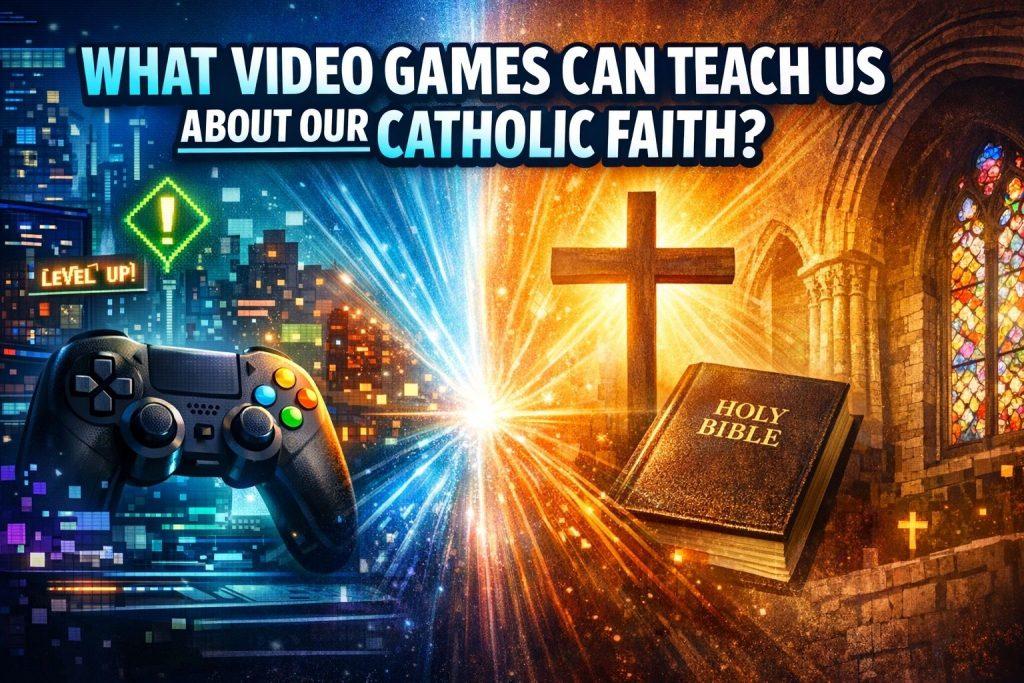
- Catholic video games serve as powerful tools for learning about faith while engaging in entertaining interactive experiences that appeal to multiple age groups.
- Games grounded in Catholic teaching help young people understand scripture, saints, and Church history in ways that traditional education sometimes cannot reach.
- Many Catholic-themed games encourage moral reasoning by presenting choices that reflect Gospel values and the natural law.
- Parents can use properly designed Catholic games as supplements to religious education by creating shared experiences with their children.
- The gaming industry has increasingly recognized demand for faith-based content that avoids stereotypes and maintains both entertainment quality and theological accuracy.
- Playing games with Catholic themes can foster community among young people who share the same values and desire to see their faith represented in popular media.
Why Catholics Should Consider Faith-Based Gaming
Video games have become a dominant form of entertainment and social connection for people of all ages, particularly young people. The gaming industry generates billions of dollars annually and influences how people think about stories, morality, and meaning. Catholics today cannot afford to ignore this cultural reality or dismiss gaming as inherently problematic. Instead, families can approach gaming thoughtfully by seeking out titles that reflect Catholic values and provide meaningful content alongside entertainment. The Church teaches that all forms of art and media can serve good purposes when used wisely and for constructive ends. Games specifically designed with Catholic principles in mind offer a unique opportunity to combine faith formation with the engaging interactive medium that young people naturally gravitate toward. Many parishes and Catholic organizations have begun to recognize that meeting people where they spend their time and attention is an essential part of modern ministry. By choosing games that align with Catholic teaching, families make intentional decisions about the content entering their homes. This approach respects both the legitimacy of gaming as a medium and the importance of faith in family life. The challenge lies in finding games that maintain authentic Catholic content without sacrificing quality or entertainment value.
Understanding the Catholic Perspective on Entertainment and Media
The Catholic Church has long reflected on the relationship between entertainment, art, and human formation. Vatican documents and Church teaching consistently recognize that media shapes values and can influence spiritual development in either positive or negative directions. The Catechism teaches that people have the right to entertainment and rest as part of living a balanced human life; this includes age-appropriate games and recreation. Games themselves are morally neutral tools that become good or bad based on their content and how people use them. Catholic teaching emphasizes that entertainment should not glorify sin or present immoral acts as acceptable or desirable. When games contain violence, sexuality, or other harmful content presented uncritically, they can gradually change how people view right and wrong. Conversely, games that explore moral themes honestly and encourage players to think about ethical choices can support Catholic formation. The key distinction lies in how a game treats its content and what message it ultimately conveys about human dignity and moral responsibility. Parents and educators bear responsibility for understanding what young people are experiencing through games and engaging in thoughtful conversations about the messages being conveyed. Catholic culture historically has always produced art across various media, and games represent a continuation of this tradition in a modern format.
The Role of Storytelling in Faith Formation Through Gaming
Stories have always been central to how humans understand meaning, transmit values, and make sense of complex truths. Throughout history, the Church has used narratives to teach faith, from biblical parables to the lives of saints to theological commentaries presented as stories. Video games as a storytelling medium offer something unique because they allow people to participate in stories rather than simply receive them passively. This interactive element can deepen engagement and help players internalize lessons more effectively than passive observation. Catholic games that tell stories grounded in faith can help young people see their own lives as part of a larger narrative that includes God’s action in history. Games featuring saints’ lives or biblical events allow players to experience these stories dynamically and develop emotional connections to figures central to the faith. When stories include moral choices with consequences, players learn through experience that decisions matter and connect to broader principles. The narrative power of games also allows for nuanced exploration of themes like redemption, forgiveness, courage, and sacrifice in ways that feel meaningful rather than preachy. Good Catholic gaming stories acknowledge human weakness and doubt while pointing toward hope and God’s grace. These narratives help counter the messages from secular media that often presents abandoning faith as enlightenment or that portrays religious people as foolish or hypocritical.
Types of Catholic Games for Children and Young Teens
The Catholic gaming market includes several categories of games designed specifically for younger players. Many companies produce educational games that teach scripture, the rosary, or the lives of saints through age-appropriate interactive experiences. Wanderlight: A Pilgrim’s Adventure, published by Loyola Press, stands out as an unapologetically Catholic adventure game for ages four and up where players complete quests while meeting saints and learning about the sacraments. Gospel Champions takes children back to biblical times by recreating Gospel stories in a 3D action-adventure format with three different skill settings for ages six and older. These games typically feature colorful graphics, simple gameplay mechanics, and content that parents can easily understand and evaluate. Adventure games with Catholic themes allow children to explore biblical settings or historical periods important to the Church while completing quests and solving puzzles. Story-driven games appropriate for children often center on moral choices presented in straightforward ways that reflect Catholic teaching about right and wrong. Puzzle and educational games help younger players develop cognitive skills while embedding Catholic learning throughout the experience. Some games specifically designed for families encourage parents and children to play together, creating opportunities for discussion about faith topics naturally emerging from gameplay. Rhythm games and action games with Catholic themes provide entertainment while reinforcing religious concepts through music or story elements. Resource management and building games can teach virtues like patience, stewardship, and planning while set in Catholic contexts. Parents can find many of these games through Catholic gaming websites, family-friendly gaming publications, and recommendations from diocesan education offices that vet content for doctrinal accuracy.
Games for Teens and Older Youth Exploring Faith Questions
As young people move into their teenage years, they begin asking more complex questions about faith and struggle with deeper doubts and challenges. Games designed for this age group can address these questions in ways that feel authentic rather than dismissive of legitimate concerns. Many games appropriate for teens include historical elements that explore how the Church has responded to difficult periods and how people of faith have persevered through trials. Darklands, an older but respected title, uniquely incorporates prayers to saints as actual game mechanics and follows church time in its world-building, allowing players to understand Catholic practice through interactive engagement. These games often present moral ambiguity more realistically, acknowledging that real life involves complex situations where right answers are not always obvious. Games featuring protagonists who struggle with doubt or face meaningful choices about their faith can help teens feel less alone in their own questions. Some games explore themes of social justice, environmental stewardship, and care for the poor that connect to Catholic social teaching in practical ways. Adventure games set in historical or fictional Catholic contexts allow teens to see their faith as something dynamic and living rather than static. Story-heavy games can tackle questions about suffering, the existence of God, and human purpose at a level that respects the intelligence of teenage players. Games that include diverse characters representing different cultures and backgrounds help young people see Catholicism as a truly universal faith. Action or strategy games with Catholic elements allow teens to engage with their faith through the medium they find most engaging and entertaining.
For Adults and Family Gaming
Adult players also benefit from games that explore Catholic themes and allow faith expression in entertainment spaces. Many adults find that Catholic games offer an alternative to the typically secular or anti-religious gaming landscape they encounter in mainstream titles. Games designed with adult audiences in mind can explore theological and philosophical questions at considerable depth without simplifying complex Church teaching. Strategy games with Catholic settings or themes appeal to adults who enjoy complex gameplay and intellectual challenge alongside faith content. Medieval II: Total War allows adult players to select Catholic factions and launch Crusades within historical contexts, offering both entertainment and learning about this significant period in Church history. Historical games that authentically represent important periods in Church history allow adults to learn while engaging in entertaining strategic experiences. Some games create opportunities for families to play together across generations, allowing children, teens, and adults to share experiences and discuss faith naturally. Narrative-driven games can explore mature themes like sacrifice, courage in the face of persecution, or the cost of living according to conscience in ways that resonate with adult experience. Games featuring prominent female characters, people of color, or people from less-represented cultures help adult players see their faith as diverse and inclusive. Multiplayer games with Catholic communities allow adults to connect with others who share their values and faith perspective in digital spaces. Many adult players report that faith-based games help them see their own Catholic identity as relevant and valuable in contemporary culture.
How Catholic Games Compare to Secular Alternatives
Examining the differences between Catholic games and typical secular gaming content reveals important distinctions in messaging and values. Secular games often present moral choices without clear reference to natural law or religious principles; players decide what feels right based on personal preference. Catholic games ground moral choices in explicit connection to Church teaching and biblical values, helping players understand that morality is objective rather than purely subjective. Wanderlight demonstrates this approach by having players make ethical choices throughout their quests and then reflecting on these choices in prayer, connecting gameplay directly to spiritual practice. Secular games frequently feature graphic violence, sexual content, or religious mockery presented without moral critique or consequences. Catholic games either exclude such content entirely or include it in ways that clearly present it as morally problematic. Many mainstream games promote consumerism and the accumulation of wealth as inherent goods without questioning these values. Catholic games often emphasize virtues like generosity, community, and putting others’ needs before personal gain. Secular games sometimes present religion as outdated thinking that enlightened people move beyond. Catholic games present faith as a living reality that helps people understand meaning and navigate life well. Some secular games feature protagonists who succeed through deception, violence, or moral compromise. Catholic games typically show that lasting success and real happiness come through living according to conscience and God’s law. This does not mean Catholic games ignore human failure or present characters as impossibly perfect. Rather, they acknowledge that authentic life involves struggling with sin while turning toward grace and redemption. For families committed to raising children in the Catholic faith, these differences make a significant impact over time through repeated exposure to different sets of values.
Finding Quality Catholic Games and Resources
Parents and players seeking Catholic games face the practical question of where to find reliable titles and how to evaluate them for doctrinal accuracy and quality. Several Catholic gaming websites maintain databases of faith-based games with reviews from both Catholic and secular gaming publications. These sites typically offer information about age appropriateness, gameplay style, and how well the game integrates Catholic content rather than treating it superficially. Catholic organizations and dioceses sometimes maintain recommendations for games and other media suitable for families and faith communities. Gaming magazines published specifically for Christian and Catholic audiences review new releases and discuss how games handle religious themes. Word-of-mouth recommendations from other Catholic families who have played games can provide valuable insight into whether a particular title aligns with family values. Many companies now highlight when games were created by Catholic developers or reviewed by Catholic theologians for accuracy. Checking ratings from organizations like the Entertainment Software Rating Board helps parents understand content beyond just religious themes. Publishers’ websites often include detailed descriptions of story content, themes, and why creators designed games with particular Catholic audiences in mind. Watching gameplay videos or reading detailed reviews before purchasing allows families to make informed decisions aligned with their particular comfort levels and values. Some parishes organize gaming events or community game nights where families can try games together and discuss their experiences.
The Importance of Parental Involvement and Discussion
While well-designed Catholic games support faith formation, parental involvement and family conversation about gaming experiences multiply their benefits. Parents who play games alongside their children create opportunities to discuss content, ask questions about moral choices made during gameplay, and reinforce Catholic teaching. These conversations need not be formal lectures but can emerge naturally from discussing what the child experienced or choices made during the game. When parents demonstrate genuine interest in games their children enjoy, it strengthens relationships and gives parents insight into their children’s interests and values. Playing together also allows parents to evaluate whether a game truly aligns with family values before their child develops strong attachments to it. Family gaming can become a regular practice that builds relationships across generations while reinforcing shared faith commitments. Parents might ask questions about why characters made certain choices, what values those choices reflect, or whether they align with what the family believes. These conversations help young people develop the habit of thinking critically about messages they receive through media rather than absorbing them passively. Parents can also use gaming experiences as launching points for deeper discussions about faith, ethics, and how to live as Catholics in the world. When families engage with Catholic games thoughtfully, they send the message that faith matters in entertainment and recreation, not just in formal religious education.
Addressing Common Concerns About Gaming and Faith
Some Catholics hold concerns that gaming itself is inherently problematic or that religious content in games might trivialize faith. These concerns deserve serious engagement rather than dismissal. The concern that gaming might encourage escapism that distracts from real responsibilities and relationships contains legitimate truth. Anything engaging and enjoyable carries potential for overuse or misuse, and families benefit from setting healthy limits on gaming time. However, the same concern applies to other entertainment like reading books, watching movies, or playing sports; the issue is balance rather than the medium itself. Some worry that putting religious content in games might seem to commercialize faith or reduce it to consumer entertainment. This concern reflects real tension between making faith accessible and protecting its sacred character. Catholic publishers and developers who create games with sincere intentions can approach this challenge respectfully while acknowledging the legitimate spiritual market. Others fear that games might present Church teaching inaccurately or introduce children to heterodox ideas. This risk exists but can be addressed through checking reviews from Catholic sources and previewing games before allowing children to play them. Some traditional Catholics view games as a distraction from more serious pursuits like prayer, study, or service. This view underestimates the importance of recreation and play in human life and ignores that throughout history, the Church has supported arts, entertainment, and cultural creativity. The healthiest approach involves acknowledging real concerns while maintaining perspective; Catholic games are tools that support formation when used thoughtfully rather than replacements for other essential faith practices.
Integration With Traditional Faith Formation
Catholic games work best when integrated thoughtfully into broader faith formation rather than treated as substitutes for essential practices. Parish religious education programs increasingly recognize that many young people engage with faith content through interactive media more readily than through lectures or traditional textbooks. Teachers and catechists can use games to supplement instruction by allowing students to explore biblical stories, Church history, or moral concepts through interactive experiences. Games that present moral dilemmas can prompt classroom discussion about how Catholic teaching addresses the questions the game raises. Some Catholic schools have begun incorporating appropriate games into curriculum as tools for teaching everything from Church history to moral reasoning to scripture knowledge. Youth groups can organize gaming events that combine entertainment with structured reflection on what the game presented about faith and values. Games can help reach young people who struggle with traditional methods of faith education or who learn better through interactive, narrative-driven experiences. However, games should complement rather than replace essential faith practices like prayer, sacramental life, and community participation in the Church. Young people need to understand that games are entertainment and tools for learning, not authoritative sources for Church teaching. Balancing traditional formation with contemporary media ensures that young people develop deep faith grounded in the fullness of Catholic tradition rather than a superficial familiarity based on entertainment exposure. When parishes and families thoughtfully integrate games into broader faith formation, young people benefit from multiple reinforcing approaches to learning their faith.
The Future of Catholic Gaming and Media
The Catholic gaming landscape continues to expand as more developers recognize both the spiritual hunger among believers and the market opportunity for quality faith-based entertainment. Increasingly, Catholic game developers are creating titles that rival secular games in terms of production quality, engaging gameplay, and sophisticated storytelling. Games like Clayfire, an upcoming hand-drawn adventure inspired by the Gospel of John and developed by the non-profit Salvation Poem Project, demonstrate how Catholic game development can achieve artistic excellence while maintaining theological integrity. This development matters because it demonstrates that maintaining theological integrity does not require sacrificing artistic excellence or entertainment value. More investment in Catholic game development means young people will have increasing access to titles that represent their faith authentically rather than relying on secular alternatives with different values. Some major game studios have begun working with Catholic consultants and theologians to ensure religious content in mainstream games treats Catholic faith respectfully rather than stereotypically. This trend suggests growing recognition that gaming audiences include many people for whom faith matters deeply. Catholic organizations are increasingly engaging with gaming communities, sponsoring tournaments, creating content about faith for gaming platforms, and supporting Catholic streamers and content creators. These efforts help make Catholic identity visible in gaming spaces where it has been largely absent. Technology continues to develop in ways that create new possibilities for interactive storytelling and immersive experiences that can support faith formation. Virtual reality and augmented reality technologies offer exciting potential for helping people experience biblical events, visit historical Catholic sites, or explore moral scenarios in new ways. As the Church continues to reflect on media’s role in contemporary culture, gaming will receive increasing attention as a medium through which faith can be communicated effectively to younger generations. The challenge ahead involves ensuring that Catholic gaming development remains grounded in authentic Church teaching while continuing to develop engaging, high-quality experiences that young people genuinely want to play.
Practical Steps for Families Beginning This Journey
Families interested in exploring Catholic gaming can take several practical steps to begin thoughtfully. Start by researching a few games through Catholic gaming websites or diocesan recommendations rather than trying to evaluate games independently. Consider your family’s current gaming practices and how Catholic games might fit into existing entertainment habits. If your family does not currently play games together, beginning with age-appropriate titles designed for family play can ease introduction to this medium. Invite discussions about values and messages during and after gameplay without turning it into an interrogation or lecture. Allow young people some autonomy in choosing games they find engaging while maintaining parental oversight of content. Play games alongside your children regularly so you understand what they are experiencing and can engage meaningfully in conversations about the content. Set clear limits on gaming time that work for your family and help ensure gaming remains one activity among many rather than consuming all leisure time. Budget intentionally for games rather than allowing purchases to happen impulsively; the investment makes families think more carefully about choices. Connect with other Catholic families interested in gaming through parish groups or online communities to share recommendations and experiences. Remember that starting this journey involves learning as you go; mistakes and adjustments are normal as families figure out what works best for their particular circumstances.
Addressing Individual Differences and Preferences
Different family members have different interests, abilities, and comfort levels with gaming that deserve consideration. Some young people engage deeply with complex narratives and elaborate strategy games while others prefer simpler experiences focused on specific skills or spiritual practices. Teenagers may find games designed for much younger children boring or patronizing while not yet being ready for more adult content. Parents and grandparents sometimes feel intimidated by gaming interfaces or controls and need games with intuitive, easy-to-learn mechanics. Considering individual preferences helps families choose games that will actually be enjoyed rather than forcing particular titles. Some people struggle with motion sickness from certain camera angles or game mechanics while others have no such issues. People with different levels of competitiveness benefit from games with adjustable difficulty settings or options for cooperative rather than competitive play. Some family members may have physical disabilities affecting how they can play games; many modern titles include accessibility features addressing various needs. Taking time to understand what each family member needs and prefers makes family gaming experiences more enjoyable and inclusive. Games designed with accessibility in mind benefit not only people with disabilities but also allow wider ranges of family members to participate fully. When families approach gaming with attention to individual differences, more people can benefit from both the entertainment value and potential faith formation that games provide.
Examining How Games Reflect Catholic Values and Teaching
The most impactful Catholic games succeed in weaving Church teaching naturally into gameplay and story rather than treating faith as something separate from the action. Games that demonstrate virtues through character development show how courage, perseverance, or compassion actually operate in realistic situations. Stories that address suffering and tragedy honestly while maintaining hope aligned with Christian faith help young people see how their own struggles fit into a larger spiritual framework. Games depicting consequences of moral choices help young people understand that actions matter and connect to broader principles of natural law and God’s design for humanity. When games present forgiveness and redemption as powerful forces that transform characters, they reinforce essential Christian teaching about God’s mercy. Stories featuring characters who stand by their convictions despite opposition show young people that integrity matters and that faith is worth the cost. Games that celebrate community, sacrifice for others, and common good over personal gain counter dominant cultural messages promoting individualism and consumption. Narratives showing how faith sustains people through difficulty help young people develop resilience and hope grounded in something beyond themselves. Games depicting diverse expressions of Catholic faith around the world help young people understand that their faith is ancient, universal, and alive in contemporary cultures. When games skillfully integrate these elements, they provide powerful formation that shapes how young people think about themselves and their faith.
The Theological Foundations Supporting Catholic Gaming
Catholic theology provides solid ground for thoughtfully engaging with games and entertainment. The Incarnation demonstrates God’s affirmation of material reality and sensory experience, suggesting that entertainment engaging our senses can serve good purposes. The doctrine that humans are made in God’s image includes recognition that we are created beings with the capacity to create and enjoy created things. The Church teaches that God made all creation good, and this includes the capacity to play, enjoy recreation, and engage in entertainment as legitimate aspects of human flourishing. Saint Paul writes in Philippians 4:8 about filling our minds with whatever is true, noble, right, pure, lovely, and admirable; this principle applies to media choices including games. Catholic social teaching emphasizes that people deserve leisure, rest, and reasonable recreation as essential to living with dignity. The concept of common good in Catholic teaching can extend to cultural products like games that build community and transmit shared values. The Church’s long tradition of artistic patronage and cultural creativity demonstrates that faith thrives when believers participate actively in cultural production. Aquinas taught that God is pleased when humans use their rational faculties well, and thoughtfully engaging with complex games exercises human reason and judgment. The communion of saints reminds us that those who have gone before us continue supporting our spiritual journey, suggesting that games exploring saints’ lives deepen connection to that spiritual communion. These theological foundations suggest not only that Catholic gaming is acceptable but that it represents an authentic way for contemporary believers to engage their faith through cultural means available in their context.
Conclusion and Encouragement
Catholic families today have unprecedented opportunities to support faith formation through gaming, a medium central to how many young people engage with culture and entertainment. By approaching games thoughtfully and choosing titles grounded in authentic Catholic teaching, families can provide entertainment that genuinely reinforces the values and faith commitments they work to instill. The reality that gaming is a major part of contemporary culture means that Catholics cannot simply opt out or hope this medium goes away; instead, intentional engagement offers the better path. Parents who invest time learning about Catholic games, playing with their children, and discussing content demonstrate clearly that faith matters in every area of life. Young people who experience faith presented through engaging, high-quality games understand their Catholicism not as something disconnected from their real interests but as central to how they make sense of the world. The gaming industry’s growing interest in faith-based content suggests that demand for Catholic games will continue increasing, resulting in more and better options for families. As technology continues to advance, possibilities for using games as faith formation tools will expand in exciting ways that previous generations could not have imagined. The foundation laid by faithful developers, reviewers, and families engaging thoughtfully with Catholic games today creates pathways for more people to encounter their faith in meaningful, accessible ways. Beginning this journey requires only openness to exploring a medium that many young people already find engaging, combined with commitment to choosing games that support Catholic values. Families need not be experts in gaming or theology to benefit from Catholic games; they need only genuine interest in their children’s lives and willingness to learn alongside them about this aspect of contemporary culture.
Disclaimer: This article presents Catholic teaching for educational purposes. For official Church teaching, consult the Catechism and magisterial documents. For personal spiritual guidance, consult your parish priest or spiritual director. Questions? Contact editor@catholicshare.com
Sign up for our Exclusive Newsletter
- 📌 Add CatholicShare as a Preferred Source on Google
- 🎁 Join us on Patreon for Premium Content
- 🎧 Check Out These Catholic Audiobooks
- 📿 Get Your FREE Rosary Book
- 📱 Follow Us on Flipboard
-

Recommended Catholic Books
Discover hidden wisdom in Catholic books — invaluable guides enriching faith and satisfying curiosity. #CommissionsEarned
- The Early Church Was the Catholic Church
- The Case for Catholicism - Answers to Classic and Contemporary Protestant Objections
- Meeting the Protestant Challenge: How to Answer 50 Biblical Objections to Catholic Beliefs
As an Amazon Associate, I earn from qualifying purchases. Thank you for your support.