
Brief Overview
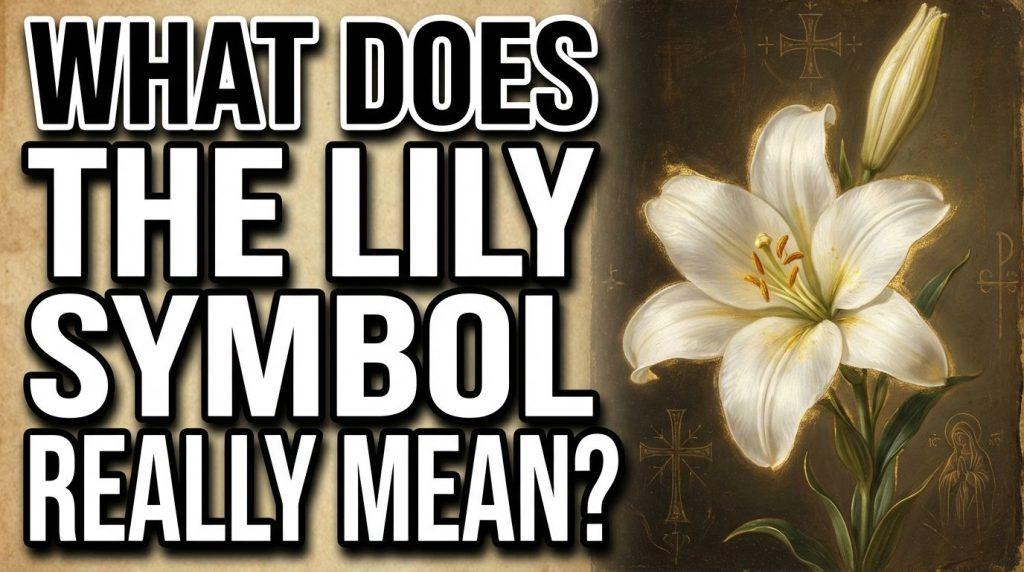
- The lily symbolizes purity, virginity, and holiness in Catholic tradition, particularly associated with the Virgin Mary and Saint Joseph.
- White lilies represent Mary’s immaculate purity and her sinless conception, making them prominent in Marian art and devotion.
- Jesus referenced lilies in His teaching about God’s providential care, giving the flower scriptural significance beyond symbolic tradition.
- Saint Joseph often appears in art holding a lily staff, representing his chaste relationship with Mary and his pure heart.
- The Annunciation frequently features lilies, symbolizing Mary’s purity at the moment she conceived Jesus by the Holy Spirit.
- Understanding lily symbolism helps Catholics appreciate how nature imagery communicates spiritual truths about holiness and divine grace.
Biblical Foundation of Lily Symbolism
Jesus spoke about lilies in one of His most memorable teachings recorded in the Gospels. During the Sermon on the Mount, He told His followers to consider the lilies of the field and how they grow without toiling or spinning, yet Solomon in all his glory was not arrayed like one of them (Matthew 6:28-29). This teaching used lilies as examples of God’s providential care for creation. If God clothes the grass of the field so beautifully, Jesus reasoned, how much more will He care for His children. The lilies thus became associated with divine providence, trust in God, and the beauty of creation that reflects the Creator.
The specific identification of which flower Jesus meant when He said “lilies” remains debated among scholars. The Greek word krinos could refer to various wildflowers common in Galilee. Some suggest Jesus meant anemones, which bloom abundantly in that region. Others propose He referred to actual lilies or lily-like flowers. For symbolic purposes, the exact botanical identification matters less than Jesus’s theological point. He used beautiful flowers, whatever their species, to teach about faith and divine care. Catholic tradition adopted the cultivated white lily as the primary symbolic flower because of its striking appearance and its association with purity in various cultures.
The Song of Songs contains several references to lilies that Christian interpreters have read as prefiguring Mary. The beloved is compared to a lily among thorns (Song of Songs 2:2). The lover’s lips are described as lilies (Song of Songs 5:13). Church fathers saw these poetic images as speaking prophetically about the Virgin Mary, who would be pure as a lily among the thorns of a sinful world. This allegorical reading connected Old Testament poetry to New Testament fulfillment. The lily became Mary’s flower through this interpretive tradition that saw her foreshadowed throughout Scripture.
The Lily and the Virgin Mary
Mary’s association with the white lily developed early in Christian art and devotion. Artists began depicting the Annunciation with lilies present in the scene, often held by the Angel Gabriel or placed in a vase near Mary. The lily’s pure white color represented Mary’s sinless nature and her virginity. Catholic doctrine teaches that Mary was conceived without original sin, remained a virgin throughout her life, and was assumed body and soul into heaven (CCC 490-493, 499-501, 966). The spotless white lily provided a natural symbol for these extraordinary graces. No blemish or stain marked either the flower or Mary’s soul.
The title “Mystical Rose” applied to Mary in the Litany of Loreto pairs with her association with lilies to create a garden of symbolic flowers. While roses emphasize Mary’s beauty and her role as the new Eve, lilies emphasize her purity and virginity. Some Marian hymns and prayers reference both flowers together. Medieval and Renaissance art often showed Mary in enclosed gardens filled with roses, lilies, and other symbolic flowers. These hortus conclusus or enclosed garden scenes represented Mary’s protected virginity and her role as the new Eden from which Christ, the new Adam, came forth.
Marian feasts particularly associated with purity feature lily symbolism prominently. The feast of the Immaculate Conception on December 8 celebrates Mary’s conception without sin. Churches on this day often display white lilies alongside blue and white decorations. The Annunciation on March 25 marks the moment Mary conceived Jesus while remaining virgin. Lilies appear in abundance in art and liturgical decoration for this feast. The Assumption on August 15 honors Mary’s bodily assumption into heaven, her final triumph of purity over corruption. These liturgical celebrations maintain the lily’s connection to Mary’s unique holiness across the Church year.
The Lily and Saint Joseph
Catholic tradition associates Saint Joseph with lilies through the legend of his selection as Mary’s husband. According to apocryphal accounts not found in Scripture, when Mary reached marriageable age, the priests sought a husband for her among righteous men. They instructed suitors to bring staffs to the temple. Joseph’s staff miraculously bloomed with lilies, indicating God’s choice. This legend, though not historically verified, expresses theological truths about Joseph’s purity and his divinely appointed role. The flowering staff symbolized that Joseph’s relationship with Mary would remain virginal yet fruitful in protecting and raising Jesus.
Artists throughout history have depicted Saint Joseph holding a lily staff or with lilies nearby. These representations communicate that Joseph, like Mary, lived a life of exceptional purity. As Mary’s spouse, Joseph practiced perfect chastity. Their marriage was real and valid but virginal, a mystery unique in salvation history. The lily in Joseph’s hand proclaims this virginal marriage and Joseph’s pure heart. Medieval and Renaissance paintings of the Holy Family often include lilies to emphasize the purity that characterized this household where God became incarnate.
Modern devotion to Saint Joseph continues using lily symbolism. Statues of Saint Joseph frequently show him with lilies. Prayer cards and holy cards feature the saint with his flowering staff. March, Joseph’s month, sees churches decorated with lilies in his honor. The association between Joseph and lilies teaches that purity and holiness are not exclusively feminine virtues. Men are called to chastity and purity just as women are. Joseph models masculine holiness that includes strength, responsibility, and protection combined with purity of heart and body.
The Lily in Annunciation Art
The Annunciation scene has been painted, sculpted, and represented countless times throughout Christian art history. Lilies appear in the vast majority of these representations. Artists placed lilies in various positions within the composition. Sometimes Gabriel holds the lily as he delivers his message. Sometimes a vase of lilies sits between the angel and Mary. Sometimes lilies grow in a garden visible through a window. These varied placements all serve the same symbolic purpose of emphasizing Mary’s purity and the miraculous nature of the virginal conception.
Different artistic traditions approached the Annunciation lily with varying styles. Byzantine icons showed stylized lilies with theological precision. Italian Renaissance artists created naturalistic lilies that demonstrated their mastery of painting from nature. Northern European painters included elaborate floral details with symbolic meaning for each element. Baroque artists used dramatic lighting to make lilies glow with supernatural brilliance. Each period brought its aesthetic to the symbol while maintaining its essential meaning. The lily’s presence remained constant even as artistic styles changed.
The number and arrangement of lily blossoms in Annunciation art sometimes carried additional symbolic meaning. Three blooms could represent the Trinity. Six petals on a lily might symbolize the six days of creation that the incarnation crowned with new creation. A single perfect lily emphasized the singular nature of Mary’s purity and the unique event of God becoming man. These numerical symbolisms added layers of meaning that educated viewers could contemplate. The simple lily thus became a vehicle for complex theological communication.
The Lily and Easter
The Easter lily, specifically Lilium longiflorum, became strongly associated with Easter celebrations particularly in modern times. These white trumpet-shaped flowers bloom in spring and have become traditional decorations for Easter Sunday. Churches fill with lilies during the Easter season. Homes display them as reminders of Christ’s resurrection. The lily’s emergence from a bulb buried in the earth symbolizes Christ rising from the tomb. The white color represents the purity and glory of the resurrection. The flower’s fragrance suggests the sweetness of new life in Christ.
The connection between Easter lilies and resurrection hope developed more recently than the lily’s Marian associations. The practice of decorating churches with Easter lilies grew especially in the nineteenth and twentieth centuries. Commercial cultivation made lilies more available and affordable. The flowers’ timing, blooming around Easter in temperate climates, made them natural choices for celebration. Churches began encouraging families to donate lilies in memory of deceased loved ones, creating a tradition that continues today. These memorial lilies connect Easter’s resurrection hope to personal grief and the promise of eternal life.
Theologically, the Easter lily’s symbolism complements and extends earlier lily meanings. Mary’s purity and Christ’s resurrection both represent triumph over sin and death. The same white lily that symbolized Mary’s immaculate nature can symbolize the purity of the risen Christ who conquered corruption. The flower that represented virginal fruitfulness in Mary and Joseph can represent the new life that flows from Christ’s resurrection. This flexibility shows how symbols gain meaning through use while maintaining essential continuities. The lily remains consistently associated with purity, life, and divine grace whether applied to Mary, Joseph, or the risen Christ.
The Lily in Church Architecture and Decoration
Catholic churches incorporate lily motifs in architecture, sculpture, and decoration. Stone carvings might feature lilies among other floral designs on capitals, corbels, or friezes. Stained glass windows often include lilies in scenes of the Annunciation or in borders and decorative elements. Altar frontals and other textile arts use embroidered or appliqued lilies. These architectural uses beautify worship spaces while teaching theological truths through symbolic imagery. Visitors and regular worshipers alike encounter lily symbolism that shapes their understanding of Mary’s purity and holiness.
Baptismal fonts sometimes feature lily decoration, connecting the flower’s purity symbolism to the sacrament that washes away sin. Confirmation spaces might include lilies since this sacrament involves the Holy Spirit who overshadowed Mary at the Annunciation. Wedding ceremonies in Catholic churches often include white lilies among floral decorations, their purity symbolizing the ideal of faithful, chaste married love. These sacramental contexts give lilies rich meanings that extend beyond Marian devotion to encompass the Christian life’s major moments and transitions.
Liturgical seasons determine when lilies appear most prominently in church decoration. Advent and Christmas might feature lilies alongside poinsettias as churches prepare for and celebrate Christ’s birth. Lent typically avoids flowers entirely or uses only minimal decoration. Easter through Pentecost sees abundant lily displays. Marian feasts throughout the year call for lily decorations. This liturgical use of lilies helps believers mark sacred time and enter more fully into the mysteries being celebrated. The flowers become part of the Church’s pedagogy, teaching through beauty and symbol.
The Lily and Funeral Rites
White lilies frequently appear at Catholic funerals and in cemeteries. Their presence expresses Christian hope in resurrection and eternal life. Just as lilies emerge from bulbs buried in earth, Christians believe their bodies will rise from graves. The white color symbolizes the purity that souls achieve through Christ’s redemption and, for those who die in grace, through purgation. Funeral lilies console mourners by directing attention toward hope rather than despair. They testify that death is not the end but a transition to greater life.
The practice of placing flowers on graves has ancient roots but took on specifically Christian meanings. Catholics caring for graves of loved ones often plant or place white lilies. These flowers honor the dead while professing faith in their resurrection. Cemetery chapels might incorporate lily imagery in their decoration. Columbaria where cremated remains are kept sometimes feature lily designs. These various uses make lilies constant companions of Catholic death rites and remembrance practices.
Some have questioned whether funeral flowers represent wasteful expense that could better serve the living. The Church acknowledges this concern while affirming that honoring the dead and expressing grief through beautiful symbols serves important human and spiritual needs. Lilies at funerals are not mere decoration but sacramentals, physical things that raise minds to spiritual realities. They proclaim faith when words fail. They beautify sorrow without denying its reality. Properly understood, funeral lilies represent not waste but worthy expenditure on honoring the dead and comforting the living while testifying to resurrection hope.
The Lily in Saints’ Iconography
Besides Mary and Joseph, several other saints have lily associations in Catholic iconography. Saint Anthony of Padua often appears with lilies, representing his purity of life and his devotion to the infant Jesus. Saint Dominic receives lilies from Mary in some representations, symbolizing the purity of his order and his Marian devotion. Saint Clare of Assisi, foundress of the Poor Clares, appears with lilies representing her virginity and her following of Lady Poverty. These varied associations show the lily’s flexibility as a symbol while maintaining its core meaning of purity and holiness.
Female saints who were virgins particularly receive lily attributes in art. Saint Catherine of Siena, Saint Agnes, Saint Lucy, and numerous others appear with lilies in paintings and statues. The flower identifies them as having consecrated their virginity to Christ. This artistic convention helped medieval and Renaissance viewers immediately recognize saints’ identities and their particular virtues. The lily functioned as a visual attribute or marker that communicated biographical and spiritual information efficiently. Modern viewers need education to understand these symbolic conventions, but the meanings remain valid.
Male saints associated with lilies generally connect to the flower through purity of life rather than technical virginity. Saint Aloysius Gonzaga, patron of youth, appears with lilies representing his angelic purity despite living in a corrupt court environment. Saint Francis de Sales, known for gentle holiness and spiritual direction, receives lily associations. These examples show that lily symbolism applies broadly to holiness rather than narrowly to physical virginity. Purity of heart, freedom from serious sin, and orientation toward God all find expression in lily imagery.
Cultivating Real Lilies
Growing actual lilies can become a spiritual practice that connects physical gardening to spiritual growth. Catholics who plant and tend lilies while reflecting on their symbolic meanings practice a form of contemplative gardening. The bulb planted in darkness represents the soul buried in baptism. The shoot emerging represents new life in Christ. The bloom represents the flowering of virtue and grace. This sacramental approach to gardening sees natural processes as revealing spiritual truths. The lily becomes both symbol and reality, object and sign.
Different lily species offer various opportunities for symbolic reflection. Madonna lilies, pure white and intensely fragrant, traditionally represent Mary. Easter lilies connect to resurrection themes. Tiger lilies with their spotted petals might represent the world’s mixture of good and evil. Day lilies that bloom briefly suggest life’s transience and the need to make good use of time. Gardeners choosing which lilies to plant can select varieties whose characteristics match the spiritual lessons they wish to contemplate. The garden becomes an outdoor chapel where nature preaches.
Practical lily care involves attention, patience, and accepting that success is never guaranteed. These realities parallel spiritual development. Prayer requires attention. Virtue develops slowly through patient practice. Despite best efforts, spiritual life includes setbacks and failures. The gardener who loses bulbs to rot or watches deer eat prized blooms learns lessons about acceptance and starting again. These everyday experiences with real plants deepen appreciation for lily symbolism. Abstract meanings become concrete through lived experience of growing living things.
The Lily in Poetry and Literature
Catholic poets throughout history have employed lily imagery in their works. Medieval troubadours and courtly love poets compared beloveds to lilies. Devotional poets used lilies as symbols of Mary and the saints. Gerard Manley Hopkins wrote of lilies and other flowers as revealing God’s grandeur. These literary uses enriched lily symbolism by exploring it through language rather than visual art. Poetry’s compression and intensity suited the lily’s concentrated symbolic power. A few words could evoke entire theological systems through lily references.
Hymns and liturgical texts include lily imagery, often in Marian contexts. The “Ave Maris Stella” and other Marian hymns reference flowers including lilies. Liturgical sequences for Marian feasts might include lily metaphors. These sung texts combine poetry, music, and theology. The lily references work simultaneously as poetic ornament, doctrinal teaching, and devotional inspiration. Congregations singing about Mary as lily among thorns absorb both beauty and doctrine. The repetition of liturgical texts across years embeds lily symbolism deeply in Catholic consciousness.
Contemporary Catholic literature continues engaging lily symbolism though often in more subtle ways than medieval or Renaissance texts. Modern poets might reference lilies ironically or interrogate traditional symbols. Novelists might use lilies in character development or scene setting. These contemporary approaches can both honor tradition and question or expand it. The lily remains available as a symbol even as authors find new ways to employ or challenge inherited meanings. Literary treatment of lilies thus spans from straightforward traditional use to complex postmodern reinterpretation.
The Lily and Purity Culture
Contemporary discussions about “purity culture” create complicated contexts for traditional lily symbolism. Critics argue that emphasizing virginity and purity, particularly for women, creates shame and unhealthy attitudes toward sexuality. They worry that lily symbolism reinforces harmful messages. Defenders respond that authentic Catholic teaching properly understood promotes healthy integration of sexuality within God’s plan rather than shame or repression. The lily symbolizes not negative repression but positive consecration of the whole person to God.
Careful theological and pastoral work distinguishes between authentic Catholic teaching on chastity and distorted “purity culture” emphases. The Church teaches that all people are called to chastity according to their state in life, not only those who are unmarried (CCC 2337-2359). Married couples practice chastity within marriage through faithful, fruitful love. Single people practice chastity through celibacy. Purity of heart involves more than sexual behavior, extending to thoughts, desires, and the fundamental orientation of the person toward God. Lily symbolism properly understood represents this comprehensive purity rather than merely physical virginity.
Using lily symbolism in contemporary catechesis and ministry requires sensitivity to these concerns. Teachers and pastors can emphasize that the lily represents holiness available to everyone regardless of past sins. Sacramental confession restores purity. God’s grace can heal and purify any willing soul. The lily symbolizes God’s transforming power rather than human achievement. This approach maintains traditional symbolism while addressing legitimate pastoral concerns. The lily continues communicating truth about purity without creating shame or focusing narrowly on one dimension of moral life.
The Lily in Ecumenical Contexts
Lily symbolism appears across Christian traditions, providing common ground for ecumenical engagement. Protestant churches often display Easter lilies, though they may not emphasize Marian lily associations as strongly as Catholics. Orthodox Christianity shares Catholic traditions regarding Mary and lily symbolism. Anglicans often maintain robust lily symbolism in art and liturgy. This shared symbolic vocabulary allows Christians from different traditions to communicate through common imagery even while disagreeing on doctrinal matters.
The lily’s biblical foundation in Jesus’s teaching gives it ecumenical legitimacy that some purely Catholic symbols might lack. All Christians accept Scripture’s authority. Jesus’s words about lilies belong to all who follow Him. When Catholics explain lily symbolism by referencing the Sermon on the Mount, they ground their interpretation in shared biblical text. This scriptural foundation facilitates productive conversation across denominational lines. Discussions about what the lilies mean can proceed from accepted common ground rather than dividing over disputed traditions.
Ecumenical worship and dialogue might appropriately incorporate lily symbolism as representing shared Christian values. All traditions affirm the importance of holiness, the beauty of creation, and God’s providential care. Lilies can symbolize these agreed truths while allowing each tradition to maintain its specific emphases. Catholics see Mary in the lily. Protestants might emphasize Christ’s resurrection or divine providence. Orthodox believers contemplate the Theotokos. The same symbol accommodates these different focuses while expressing fundamental unity in Christ. This flexibility makes the lily valuable for ecumenical purposes.
Teaching Children About Lily Symbolism
Religious education can introduce lily symbolism to children through age-appropriate methods. Very young children can learn that white lilies remind us of Mary and how pure and holy she was. They can plant lily bulbs and watch them grow, connecting natural processes to spiritual realities. Simple crafts involving paper lilies can reinforce the symbol while engaging children’s creativity. Stories about the Annunciation that mention the angel’s lily help children remember this important event. These elementary approaches lay foundations for deeper understanding later.
Older children can learn more theological content connected to lily symbolism. They can understand the Immaculate Conception and what it means that Mary was without sin. They can grasp that Saint Joseph’s purity included but extended beyond physical virginity to include holiness of life. They can discuss what purity means for their own lives at their age. They can explore how the lily’s natural beauty points to God as Creator. These more advanced lessons build on earlier foundations while adding complexity appropriate to development.
Adolescents benefit from frank discussions about purity, chastity, and sexuality that connect to lily symbolism without reducing it to moralistic warnings. Teachers can help teens understand that the Church’s sexual ethics aim at human flourishing rather than arbitrary restriction. The lily represents the beauty of sexuality integrated within God’s plan rather than repressed or indulged. Teens can contemplate how Mary’s purity enabled her to fulfill her vocation and can consider how their own sexual choices relate to their futures. These honest conversations help teens appropriate lily symbolism maturely.
Contemporary Artistic Interpretations
Modern and contemporary Christian artists continue finding new ways to represent lily symbolism. Abstract artists might suggest lilies through form and color without realistic depiction. Photographers capture lily beauty in ways that earlier painters could not. Sculptors create three-dimensional lilies in various materials. Digital artists generate lily images using new technologies. These diverse approaches demonstrate that traditional symbols remain vital and that each generation finds fresh expressions for inherited meanings. The lily speaks in new artistic languages while maintaining its essential message.
Some contemporary artists challenge or question traditional lily symbolism in ways that provoke thought. An artist might show wilted lilies to comment on loss of innocence or ideals. Another might place lilies in unexpected contexts that force viewers to reconsider assumptions. These challenging uses of symbols can serve legitimate artistic and even spiritual purposes when done thoughtfully. They prevent symbols from becoming stale or from being accepted without reflection. Not all contemporary artistic approaches honor tradition, but many do so while also pushing viewers toward deeper engagement.
Churches commissioning contemporary art face decisions about whether and how to include lily symbolism. Some choose traditional representations that clearly communicate to all viewers. Others select more adventurous pieces that reward sustained contemplation. Both approaches can serve worship and teaching when executed well. The key is maintaining connection to the tradition while allowing for artistic excellence and innovation. Lilies in contemporary church art can witness to the faith’s ancient roots and its continuing vitality simultaneously.
Conclusion and Contemporary Relevance
The lily stands as one of Catholicism’s most beautiful and meaningful symbols. From Jesus’s teaching about wildflowers to elaborate Marian theology to contemporary debates about purity, the lily carries rich and sometimes contested meanings. Its pure white petals communicate truths about holiness, virginity, purity of heart, and God’s transforming grace. The lily’s natural beauty provides a starting point for contemplating spiritual beauty. Its emergence from buried bulbs suggests resurrection and new life. These multiple meanings make the lily enduringly valuable across changing contexts.
Contemporary Catholics can engage lily symbolism in ways that honor tradition while addressing current pastoral needs. Understanding what the lily represents helps believers appreciate artistic and liturgical uses of the symbol. Reflecting on lily meanings can deepen Marian devotion and inspire pursuit of holiness. Attending to real lilies through gardening or simple observation can become spiritual practice. The ancient symbol continues serving the Church’s teaching and sanctifying mission when properly understood and appropriately applied.
The lily ultimately points beyond itself to the God who creates beauty and calls humans to holiness. Whether encountered in Scripture’s pages, church architecture, liturgical celebrations, or natural gardens, the lily invites contemplation of purity, grace, and divine providence. This humble flower, transformed by centuries of symbolic use, continues proclaiming truths that human words struggle to express. The lily speaks of Mary’s immaculate beauty, Joseph’s pure heart, Christ’s resurrection, and the holiness God offers to all who seek Him. In its silence, the lily preaches a sermon that each generation hears afresh.
Disclaimer: This article presents Catholic teaching for educational purposes. For official Church teaching, consult the Catechism and magisterial documents. For personal spiritual guidance, consult your parish priest or spiritual director. Questions? Contact editor@catholicshare.com
Sign up for our Exclusive Newsletter
- 📌 Add CatholicShare as a Preferred Source on Google
- 🎁 Join us on Patreon for Premium Content
- 🎧 Check Out These Catholic Audiobooks
- 📿 Get Your FREE Rosary Book
- 📱 Follow Us on Flipboard
-

Recommended Catholic Books
Discover hidden wisdom in Catholic books — invaluable guides enriching faith and satisfying curiosity. #CommissionsEarned
- The Early Church Was the Catholic Church
- The Case for Catholicism - Answers to Classic and Contemporary Protestant Objections
- Meeting the Protestant Challenge: How to Answer 50 Biblical Objections to Catholic Beliefs
As an Amazon Associate, I earn from qualifying purchases. Thank you for your support.