
Brief Overview
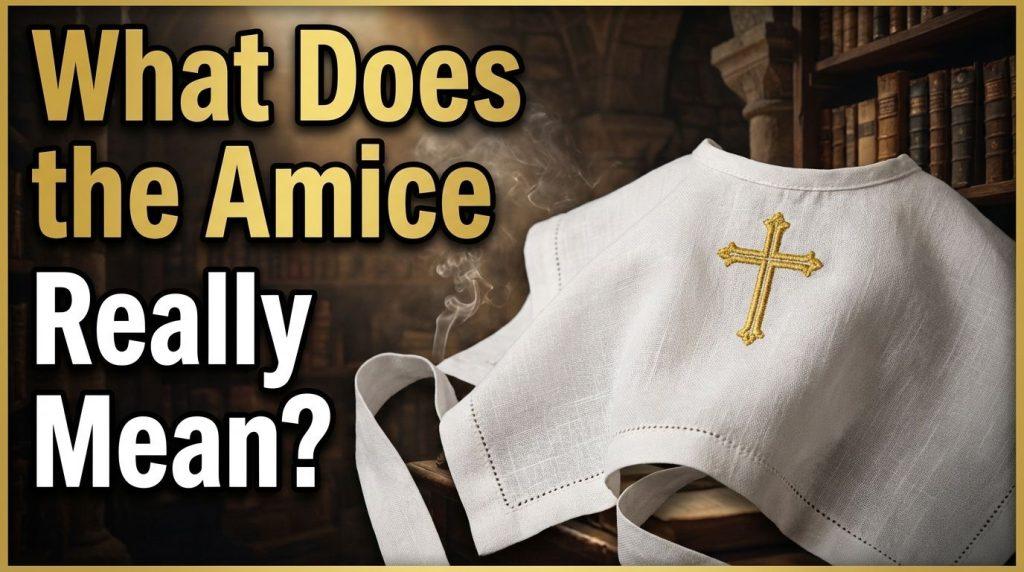
- The amice is a rectangular piece of white linen worn around the neck and shoulders as the first vestment when preparing for Mass.
- This simple cloth traces its origins to practical Roman headwear but evolved into a liturgical garment with profound spiritual symbolism.
- The word “amice” comes from the Latin “amictus,” meaning cloak or covering, referring to how the fabric wraps around the minister.
- Traditionally, the amice symbolizes the helmet of salvation and spiritual protection needed for celebrating the sacred mysteries.
- Modern liturgical practice has made the amice optional when the alb covers the neck completely, though many priests continue using it.
- Understanding the amice’s history and symbolism helps Catholics appreciate how even simple liturgical items carry deep meaning and purpose.
Ancient Origins and Practical Beginnings
The amice developed from the anagolaium, a cloth Romans wore around the neck and shoulders for warmth and protection. This practical garment served multiple purposes in the ancient world, shielding wearers from cold, sun, and dust. Wealthy Romans used fine linen for their neck cloths, while common people employed coarser fabrics depending on available resources. The anagolaium could be worn in various ways, draped over the head or wrapped around the neck and shoulders. Early Christians living in the Roman Empire naturally adopted these common garments as part of their daily dress. When believers gathered for worship, they wore their ordinary clothing including these practical neck coverings. The transition from secular to sacred use happened gradually as Christian liturgical practice developed over several centuries. By the ninth century, clear references to the amice appear in liturgical documents describing proper vesting for Mass. The garment had evolved from everyday clothing into a distinctive part of sacred vesture with specific meaning and purpose.
The amice’s original function as a collar or hood protector for outer garments influenced its liturgical adoption and use. Priests wearing fine vestments needed protection for these expensive garments from natural oils, perspiration, and dirt from their skin. The amice created a barrier between the priest’s neck and the alb or other vestments worn over it. This practical function helped preserve costly liturgical garments that represented significant investments for medieval churches. The white linen of the amice could be washed frequently, while the outer vestments required less frequent and more careful cleaning. Over time, as the amice became standard in liturgical practice, its practical origins gave way to symbolic interpretations. The simple protective cloth became laden with spiritual meaning through centuries of theological reflection and prayer. Traditional vesting prayers transformed the mechanical act of putting on the amice into preparation for divine service. The garment that began as mundane protection evolved into a sacred object with its own blessing and significance.
Biblical and Theological Symbolism
The amice carries rich symbolic meaning rooted in biblical imagery and spiritual warfare language found throughout Scripture. The traditional vesting prayer for the amice asks God to place the helmet of salvation on the priest’s head. This language comes from Saint Paul’s description of the Christian’s spiritual armor in Ephesians 6:17. The helmet of salvation protects the mind and head, representing the need for sound doctrine and clear thinking. Priests must guard their minds against error, temptation, and distraction when celebrating the sacred mysteries. The amice wrapped around the neck and placed over the head symbolizes this spiritual protection and readiness for battle. The white linen represents purity and the cleansing needed before approaching God’s altar. Just as soldiers put on helmets before entering combat, priests don the amice before engaging in spiritual warfare through the Mass.
The amice also symbolizes restraint of speech and custody of the tongue needed for sacred ministry. The cloth covering the neck reminds ministers to speak carefully, avoiding idle words or inappropriate conversation. This meaning connects to biblical teaching about controlling the tongue and its power for good or evil (James 3:5-10). Priests must discipline their speech, using words to build up rather than tear down God’s people. The amice placed over the mouth area serves as a physical reminder of this spiritual discipline and responsibility. Some interpretations connect the amice to the veil Moses wore after encountering God’s glory on Mount Sinai (Exodus 34:33-35). The priest covers himself before uncovering the sacred mysteries, showing reverence and acknowledging his unworthiness. The white fabric recalls the linen garments worn by Old Testament priests serving in the Temple. These multiple layers of symbolism make the simple amice a rich source of spiritual meditation and meaning.
Physical Description and Construction
The traditional amice consists of a rectangular piece of white linen measuring roughly three feet by two feet in dimension. Two long tapes or strings attach to the upper corners, allowing the amice to be tied around the priest’s body. The fabric should be of good quality linen that can withstand frequent washing while maintaining its appearance. Some amices feature a small cross embroidered at the center where the fabric rests on the back of the neck. This cross serves as both decoration and reminder of the garment’s sacred character and christological meaning. The simplicity of construction makes the amice one of the easiest vestments to produce compared to elaborate chasubles. However, fine amices still require skilled sewing to ensure proper dimensions, straight hems, and secure tape attachments. The white color must be maintained through regular laundering, as dingy or stained amices dishonor the sacred purpose they serve.
Modern amices show some variation in size and detail while maintaining the basic rectangular form with attached tapes. Some contemporary designs use cotton-linen blends that offer easier care than pure linen while still maintaining appropriate dignity. The tapes may be cotton or synthetic ribbon depending on the overall construction and intended use. Decorative elements beyond the simple cross remain minimal, as the amice’s character demands austerity rather than ornamentation. The garment’s hiddenness beneath other vestments makes elaborate decoration pointless from a practical standpoint. What matters most is that the amice be clean, properly sized, and made from appropriate white fabric. Churches maintaining traditional practice ensure their amice collections include sufficient numbers for various ministers and regular rotation. Even parishes where amice use has become optional typically preserve some for priests who prefer traditional vesting practices.
Proper Method of Wearing the Amice
The priest puts on the amice as the very first garment when vesting for Mass or other sacred functions. He holds the amice by the tapes with the embroidered cross centered and facing outward. The priest places the amice on his head like a hood, allowing the fabric to drape over his shoulders and back. He then pulls the amice down around his neck, positioning the fabric to cover the collar of his street clothes. The tapes cross in front of the chest and wrap around the body to tie in back. Some priests prefer to tie the tapes in front, though behind represents the more traditional and common practice. The amice should fit snugly but comfortably, staying in place throughout the Mass without constant adjustment. Proper placement ensures the amice serves its function of protecting the alb and other vestments from direct contact with skin. The white linen creates a clean foundation upon which all other vestments will rest during the sacred celebration.
The method of donning the amice carries symbolic significance beyond mere practical dressing for liturgical service. Placing it first on the head recalls the helmet of salvation imagery in the traditional vesting prayer. The action of pulling it down and securing it suggests assuming spiritual protection and readiness for ministry. The crossing of the tapes and tying them creates a binding action that commits the priest to his sacred task. These physical movements, when done mindfully, transform vesting into genuine prayer and spiritual preparation. Priests who rush through vesting treat it as mere routine rather than the significant transition it should be. Taking time to vest slowly and prayerfully helps the priest move from ordinary time to sacred time and space. The amice begins this transition, marking the first step in assuming the vestments that identify priestly ministry. Each subsequent garment builds upon this foundation until the priest stands fully vested and ready to offer the Eucharistic sacrifice.
The Vesting Prayer and Spiritual Preparation
The traditional Latin vesting prayer for the amice asks God to place the helmet of salvation on the priest’s head. The prayer continues by asking for strength to resist diabolical attacks and temptations that might distract from sacred duties. This explicit reference to spiritual warfare acknowledges the reality of evil’s opposition to holy worship. The Mass represents the ultimate act of Christian worship, making it a primary target for Satan’s hatred. Priests need supernatural protection to celebrate Mass worthily and without distraction from malicious spiritual forces. The vesting prayer transforms the simple act of putting on the amice into an invocation for divine assistance. Speaking these ancient words connects contemporary priests to countless generations who prayed the same formula before them. The continuity with tradition provides strength and solidarity across time, reminding priests they do not minister alone.
Modern priests may use vernacular translations of the traditional prayer or compose personal prayers while donning the amice. What matters most is that the action becomes genuinely prayerful rather than merely mechanical or rushed. Some priests meditate silently on the helmet of salvation imagery while placing the amice over their heads. Others speak aloud the traditional words, finding comfort and meaning in the familiar Latin phrases. The moment of vesting provides opportunity for brief examination of conscience before approaching the altar. Priests can ask themselves whether they are spiritually prepared to celebrate Mass and whether anything requires confession first. The amice covering the head can prompt thoughts about what fills the mind and whether those thoughts honor God. These brief spiritual exercises help transform vesting from routine into real preparation for the tremendous mystery about to unfold. The few moments spent properly vesting pay dividends throughout the Mass that follows.
When the Amice Became Optional
The liturgical reforms following the Second Vatican Council made the amice optional under certain conditions regarding alb design. When an alb completely covers the ordinary clothing at the neck, the amice may be omitted without violating rubrics. This change recognized that modern alb designs with attached collars serve the amice’s original practical function of protection. The reform simplified vesting procedures while maintaining proper coverage and dignity in appearance. Many priests welcomed this option, appreciating the reduced time and complexity in preparing for Mass. Others maintained traditional practice, valuing the amice’s symbolic meaning even when practically unnecessary. Current Church law allows both approaches, leaving the decision to individual priests and local custom. This flexibility reflects the reformed liturgy’s balance between tradition and adaptation to contemporary needs.
The optional status of the amice has generated varying responses across different Catholic communities and liturgical sensibilities. Traditional priests and those celebrating the extraordinary form continue using the amice as an essential vestment. They argue that the symbolic meanings associated with the amice should not be abandoned for mere convenience. These ministers value the continuity with historical practice and the rich spiritual preparation the vesting prayer provides. Progressive liturgists generally support making the amice optional, viewing it as unnecessary when albs cover the neck properly. They emphasize that symbols should serve rather than burden liturgical celebration with excessive complexity. Many middle-ground priests use the amice selectively, perhaps only for solemn occasions while omitting it for daily Mass. This diversity of practice reflects legitimate differences in liturgical interpretation within Catholic unity. What remains constant is the requirement that ministers be properly vested with appropriate dignity regardless of specific choices.
The Amice in Different Liturgical Contexts
The amice appears primarily in the context of Mass but also serves in other liturgical celebrations requiring proper vesture. When priests celebrate morning or evening prayer with full solemnity, they may wear the amice under their albs. Solemn Benediction of the Blessed Sacrament likewise calls for proper vestments including the amice when traditional practice is followed. Holy Week ceremonies involve elaborate vesting where priests typically include the amice as part of complete traditional vesture. The Easter Vigil and other major solemnities see increased attention to proper vesting details including the amice. These special occasions when churches emphasize liturgical solemnity naturally encourage fuller use of traditional vestments. Even priests who regularly omit the amice might include it for Christmas, Easter, and other major feasts. The garment thus serves to mark degrees of solemnity and reverence appropriate to different liturgical celebrations.
Outside of strictly liturgical contexts, the amice does not appear as it serves exclusively for sacred worship functions. Priests do not wear amices for parish meetings, administrative work, or social gatherings with parishioners. The garment belongs to the sacristy and sanctuary, not to ordinary parish life or daily priestly activity. This clear distinction helps maintain appropriate boundaries between sacred and secular aspects of priestly ministry. When priests vest in amices and other liturgical garments, they signal entrance into sacred time and space. The removal of these vestments after Mass marks return to ordinary time and normal pastoral responsibilities. This rhythm of putting on and taking off sacred vestments structures priestly life and consciousness. The amice participates in creating these meaningful transitions even as the smallest and simplest of vestments. Its presence or absence communicates messages about the nature of the activity taking place and the minister’s role.
Teaching About the Amice and Vesting
The amice provides catechists with opportunities to teach about liturgical vestments and their meanings in Catholic worship. Children can understand that priests put on special clothes before Mass just as people wear special outfits for important occasions. The amice as the first garment introduces the concept of layering vestments with each adding meaning and significance. Teachers can explain the helmet of salvation imagery in age-appropriate language about spiritual protection. These simple lessons plant seeds of understanding about the Mass’s sacred character and the priest’s special role. Confirmation classes preparing young people for deeper sacramental life can explore vestment symbolism more thoroughly. The amice becomes a concrete example of how physical objects serve spiritual realities in Catholic worship. Students who learn about vestments develop liturgical literacy that serves them throughout their lives as practicing Catholics.
Adult faith formation likewise benefits from exploring the amice’s rich symbolism and practical history in the Church. Many adult Catholics have attended Mass for decades without understanding what the amice is or why priests wear it. RCIA programs should include teaching about liturgical vestments as part of introducing candidates to Catholic worship practices. Explaining the amice’s evolution from practical neck cloth to spiritual armor opens discussions about tradition and development. Parish study groups examining the Mass can use vestments as entry points for deeper theological reflection. The connection between the amice and spiritual warfare introduces important biblical teaching often neglected in contemporary catechesis. Teaching about the vesting prayers reveals how the Church sanctifies ordinary actions through prayerful intention and blessing. These various educational approaches help Catholics appreciate the depth and richness present even in simple liturgical elements (CCC 1145-1152).
Regional Variations and Historical Styles
Different periods and regions developed varying practices regarding the amice’s size, material, and decorative elements over the centuries. Medieval amices tended to be larger than modern versions, providing more substantial coverage and protection. Some historical amices featured elaborate embroidered crosses or other religious symbols beyond the simple cross at the neckline. Renaissance and Baroque periods saw amices made from finer linens with more refined construction and finishing. Spanish liturgical tradition developed distinctive practices regarding when and how to use the amice in vesting. French usage emphasized the amice’s practical function while maintaining traditional symbolic interpretations in spiritual writing. These regional variations enriched the universal Church while maintaining the amice’s essential character and purpose across different contexts. Modern practice has largely standardized amice design, though some variation persists based on local custom and tradition.
Eastern Catholic churches do not use the amice as it belongs specifically to Latin liturgical tradition and practice. Byzantine priests vest differently, using garments that serve similar covering functions through different forms. The sticharion and other Eastern vestments create complete coverage without requiring a separate amice-like undergarment. Other Eastern traditions including Armenian, Coptic, and Syriac churches likewise have their own distinctive vesting practices. Western Catholics encountering Eastern liturgies should not expect to see amices or judge Eastern practice by Latin standards. The amice represents one legitimate tradition within Catholic diversity rather than a universal requirement for all rites. Understanding these variations prevents confusion and promotes appreciation for the Church’s rich liturgical heritage across cultures. Local churches express common truths through particular forms developed over centuries of faithful Christian worship and reflection.
Practical Care and Maintenance
Amices require regular laundering to maintain their white appearance and fulfill their protective function for other vestments. The white linen should be washed frequently, as yellowing or staining renders the amice unsuitable for use. Professional laundry services specializing in linens can provide expert care, though many sacristans wash amices in-house. Hot water and bleach help maintain whiteness, though care must be taken not to damage the fabric or tapes. Proper drying and ironing ensure the amice lies flat and presents a neat appearance when worn. The tapes require special attention, as they can become frayed or detached from the main fabric over time. Damaged tapes should be replaced promptly to ensure the amice can be secured properly during vesting. Storage should protect amices from dust and yellowing while allowing air circulation to prevent mustiness or mildew.
Parishes typically maintain multiple amices to allow for rotation and regular cleaning without running short. Clear organization systems help sacristans track which amices are clean, in use, or awaiting laundering. Some churches assign specific amices to individual priests who prefer particular sizes or styles. Others maintain a common pool available to all ministers celebrating at that location. Budget planning includes funds for replacing worn-out amices periodically as the fabric becomes thin or damaged. The relatively low cost of amices compared to other vestments makes replacement manageable for most parishes. However, proper care extends the life of each amice, practicing good stewardship of parish resources. Some older amices with historical or sentimental value receive preservation as artifacts even when no longer used liturgically. These practices balance practical needs with respect for sacred objects that have served divine worship faithfully.
The Amice and Priestly Spirituality
For priests who use the amice regularly, this simple garment becomes part of their daily spiritual practice and preparation. The act of placing the amice on the head each morning before Mass creates a ritual moment for prayer. The familiar texture of the linen and the routine of tying the tapes ground the priest in physical reality while preparing spiritually. The vesting prayer, whether traditional Latin or personal vernacular, focuses the mind on the ministry ahead. This brief moment of intentional preparation helps prevent the priest from celebrating Mass on autopilot or without proper reverence. The amice reminds him that he serves as Christ’s instrument in the sacred mysteries about to unfold. The physical covering symbolizes the spiritual protection needed to celebrate Mass worthily despite personal unworthiness. Priests who vest mindfully use these moments to recommit themselves to faithful service and holy living.
The amice also challenges priests to examine whether their external vestments match their internal spiritual state and commitment. Wearing the helmet of salvation should prompt reflection on whether one actually possesses and values the salvation it represents. The white linen calls for purity of heart, not merely clean fabric around the neck. Priests must avoid hypocrisy of wearing sacred vestments while living worldly or sinful lives during the week. The amice worn daily becomes either genuine symbol of spiritual reality or empty ceremonial gesture depending on the priest’s heart. This tension exists with all liturgical symbols but becomes particularly acute for ordained ministers who mediate the sacred. Saints who served as priests often wrote about struggling to live up to what their vestments symbolized. They recognized that external signs must flow from and lead to internal transformation through grace. Modern priests inherit these same challenges and opportunities for growth in holiness through faithful ministry.
Contemporary Questions and Debates
Modern liturgists and priests discuss whether maintaining the amice serves important purposes or represents unnecessary complexity in vesting. Those favoring the amice’s continued use argue that its symbolic richness should not be abandoned for mere convenience. They value the spiritual preparation the vesting prayer provides and the connection to centuries of tradition. The amice reminds ministers of the sacred nature of their task and the need for spiritual protection. Advocates note that the few extra seconds required to don the amice hardly represent a burdensome addition to vesting. They worry that abandoning traditional elements leads to gradual impoverishment of liturgical life and loss of meaning. These defenders of the amice often prefer generally traditional approaches to liturgy and appreciate historical continuity in practice.
Those comfortable with the amice’s optional status generally emphasize practicality and appropriate simplicity in liturgical celebration. They argue that when albs cover the neck properly, adding an amice serves no real function. The symbolism, while valid, can be maintained through other means without requiring this specific garment. These priests note that spiritual preparation does not depend on any particular vestment but on the minister’s heart. They suggest focusing attention on essential elements rather than optional accessories that might distract from what truly matters. The reformed liturgy’s provision for omitting the amice reflects legitimate development and adaptation to contemporary needs. Both positions have merit, and current Church law wisely allows diversity rather than mandating uniformity. What matters most is celebrating Mass reverently and preparing spiritually regardless of specific vesting choices about optional elements.
The Amice Compared to Other Vestments
The amice occupies a unique position among liturgical vestments as both the first donned and the least visible. Unlike the chasuble or stole that remain in view throughout Mass, the amice hides beneath other garments. This hiddenness reflects its primarily functional role as foundation and protection for visible vestments. Yet the amice’s symbolic meanings give it importance beyond mere practicality despite its concealment. The contrast between the amice’s visibility to the vesting priest and invisibility to the congregation creates interesting dynamics. Only the priest experiences the full ritual of putting on the amice and praying the vesting prayer. The community sees the results of proper vesting but not the process itself or the hidden foundation garments. This privacy creates space for personal spiritual preparation that remains between the priest and God.
The amice relates to other vestments as foundation to building, hidden but necessary for structural integrity. Without proper foundational garments like the amice and alb, the outer vestments cannot be worn correctly or present properly. The visible beauty of chasubles and dalmatics rests literally and figuratively on the hidden white linens beneath them. This relationship teaches important spiritual lessons about the relationship between hidden virtue and visible ministry. Priests need strong interior lives that support and sustain their public ministerial actions and responsibilities. What remains invisible to others, known only to God, often matters more than external appearances or public recognition. The amice worn in private preparation enables the public celebration that follows when the priest approaches the altar. This pattern of hidden preparation enabling visible service applies throughout Christian life, not only to ordained ministry.
Future of the Amice in Catholic Worship
The amice’s future in Catholic liturgical practice remains uncertain given its optional status and varying use patterns. Traditional communities and priests favoring the extraordinary form will certainly maintain regular amice use indefinitely. These groups value historical continuity and the rich symbolism embedded in traditional vesting practices and prayers. Priests oriented toward contemporary liturgical approaches may continue the trend of omitting the amice when possible. They focus on essential elements while simplifying or streamlining what they view as optional ceremonial additions. Middle-ground priests may continue selective use, including the amice for solemn occasions while omitting it routinely. This mixed pattern likely represents the most common approach in mainstream Catholic parishes at present.
Educational efforts about liturgical symbolism might renew appreciation for the amice even among those currently omitting it. When priests and faithful understand the helmet of salvation imagery and spiritual preparation aspects, they may value the amice more. Conversely, continued emphasis on simplicity and accessibility in worship might further reduce amice use over time. The Church’s liturgical life constantly evolves while maintaining essential continuity with tradition across generations. The amice will likely persist as an option that some embrace while others ignore based on sensibility and formation. What remains crucial is that priests prepare spiritually for Mass whether or not they use this particular garment. The amice serves preparation but does not cause it; the minister’s heart and devotion matter more than specific vestments.
Conclusion
The amice endures as a meaningful element of Catholic liturgical tradition despite its optional status in current practice. This simple white linen cloth developed from practical Roman neckwear into a sacred vestment with profound symbolism. The amice represents the helmet of salvation and spiritual protection needed for celebrating the sacred mysteries of faith. Its role as the first vestment establishes foundation for all that follows in preparing for divine service. The vesting prayer transforms putting on the amice into genuine spiritual preparation and invocation for divine assistance. Historical variations show how universal needs find expression through different cultural forms and regional practices across time. The optional status creates healthy diversity as priests make choices suited to their spirituality and liturgical sensibilities. Teaching about the amice provides opportunities for catechesis on vestments, spiritual warfare, and interior preparation for worship. Contemporary debates about maintaining or omitting the amice reflect broader discussions about tradition and adaptation in liturgy.
The amice ultimately points beyond itself to the deeper realities of spiritual readiness and divine protection for ministry. Every priest who dons the amice should remember the salvation it symbolizes and the spiritual armor needed for faithful service. The garment makes visible the invisible spiritual preparation required before approaching God’s altar to offer the Eucharistic sacrifice. As Catholics understand the amice’s rich symbolism and history, they can appreciate the care with which the Church surrounds sacred worship. The amice challenges all believers to attend to the hidden spiritual preparation that enables visible Christian witness and service. May this ancient vestment continue serving those who value it, reminding priests and faithful that ministry requires supernatural protection and divine grace, now and forever.
Disclaimer: This article presents Catholic teaching for educational purposes. For official Church teaching, consult the Catechism and magisterial documents. For personal spiritual guidance, consult your parish priest or spiritual director. Questions? Contact editor@catholicshare.com
Sign up for our Exclusive Newsletter
- 📌 Add CatholicShare as a Preferred Source on Google
- 🎁 Join us on Patreon for Premium Content
- 🎧 Check Out These Catholic Audiobooks
- 📿 Get Your FREE Rosary Book
- 📱 Follow Us on Flipboard
-

Recommended Catholic Books
Discover hidden wisdom in Catholic books — invaluable guides enriching faith and satisfying curiosity. #CommissionsEarned
- The Early Church Was the Catholic Church
- The Case for Catholicism - Answers to Classic and Contemporary Protestant Objections
- Meeting the Protestant Challenge: How to Answer 50 Biblical Objections to Catholic Beliefs
As an Amazon Associate, I earn from qualifying purchases. Thank you for your support.