
Brief Overview
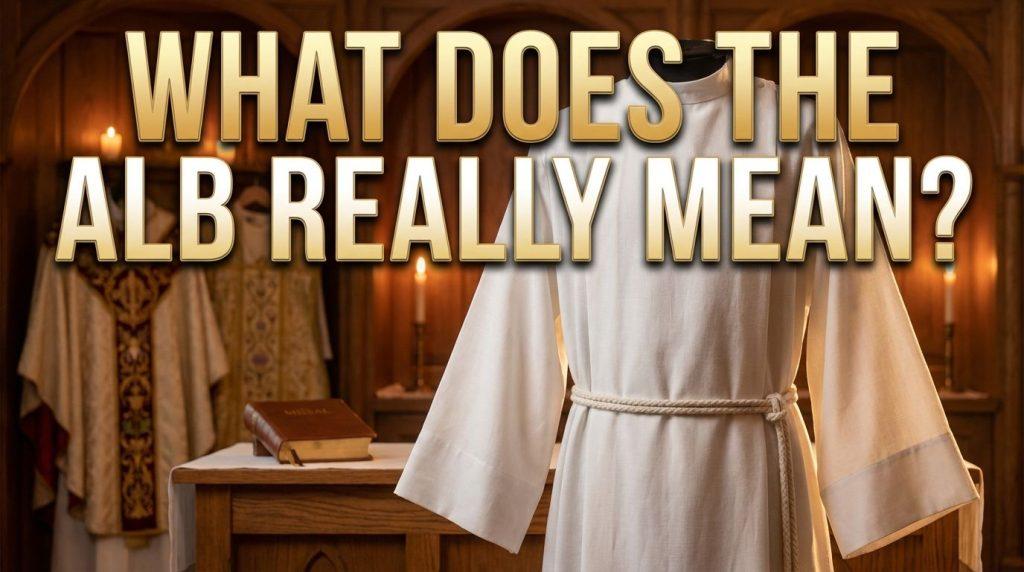
- The alb is a white liturgical garment worn by clergy and altar servers that symbolizes baptismal purity and the call to holiness in Christian life.
- This long white robe traces its origins to ancient Roman clothing but gained profound spiritual meaning when adopted for Christian worship.
- The word “alb” comes from the Latin “alba,” meaning white, emphasizing the garment’s essential characteristic and symbolic significance.
- Wearing the alb reminds ministers that they serve in sacred functions by virtue of their baptism and share in Christ’s priestly mission.
- The alb creates visual unity among those serving at the altar, focusing attention on the liturgy rather than individual personalities.
- Understanding the alb’s history and symbolism helps Catholics appreciate how physical objects can express deep spiritual truths in worship.
Ancient Origins and Historical Development
The alb developed from the tunica alba, a common undergarment worn by Roman citizens in the ancient Mediterranean world. This simple white tunic reached from shoulders to ankles and served as basic daily clothing for both men and women. Romans valued white garments for their association with cleanliness, dignity, and social respectability in public life. Christians living in the Roman Empire naturally wore these same garments, as they participated in the broader culture. When early Christians gathered for worship, they wore their ordinary clothing including the white tunic. The practice of setting aside special garments for liturgical use developed gradually over the first few centuries. By the fourth century, clergy began wearing their finest white tunics specifically for celebrating the Eucharist. This choice reflected growing awareness that sacred actions deserved special reverence and preparation. The white tunic worn for Mass started to differ from everyday clothing in quality, decoration, and symbolic meaning. What began as ordinary dress became extraordinary through its dedication to divine service.
The Council of Laodicea in the mid-fourth century mentioned special garments for clergy, indicating formalization of liturgical dress. As Christianity became the official religion of the Roman Empire, church leaders developed more elaborate ceremonial practices. The white tunic evolved from simple undergarment to distinctive liturgical vestment with specific religious significance. Churches began maintaining vestment collections that clergy would put on only for sacred functions. The practice of blessing or consecrating these garments set them apart from secular clothing. Regional variations emerged as different churches developed their own traditions regarding vestment styles and usage. Some areas favored fuller, more flowing albs while others preferred simpler, more fitted designs. The length, sleeve style, and decorative elements varied according to local custom and available materials. Despite these differences, the basic white robe remained constant throughout the Christian world. The alb became universally recognized as the foundational garment for Christian liturgical ministry.
Biblical Foundations and Symbolism
The symbolism of white garments runs throughout biblical tradition, providing rich theological meaning for the alb. The book of Revelation presents a vision of the redeemed in heaven wearing white robes that have been washed in the blood of the Lamb (Revelation 7:13-14). This striking image connects white clothing to salvation, purification, and victory over sin and death. White represents the righteousness that God imparts to believers through Christ’s sacrifice on the cross. The Old Testament also associates white garments with holiness, purity, and divine favor in various contexts. Priests in the Temple wore linen garments while performing their sacred duties, setting them apart for service. The prophet Daniel describes a heavenly vision where the Ancient of Days wears clothing white as snow (Daniel 7:9). Jesus appeared in dazzling white garments during His transfiguration, revealing His divine glory to the disciples (Matthew 17:2). These biblical references establish white as the color of holiness, purity, and communion with God. The Christian alb draws on this deep scriptural tradition when it clothes liturgical ministers in white.
The connection between the alb and baptism provides perhaps the most important symbolic meaning for this garment. In the early Church, newly baptized Christians received white robes immediately after emerging from the baptismal waters. These baptismal garments symbolized the new life, purity, and dignity that baptism confers on believers. Paul writes that all who have been baptized into Christ have clothed themselves with Christ (Galatians 3:27). The white garment makes visible this spiritual reality of being clothed with Christ’s own righteousness. Early Christian art shows baptismal candidates descending into water pools naked and rising to be clothed in white robes. This powerful ritual expressed death to the old self and resurrection to new life in Christ. The practice of giving white garments at baptism continues in Catholic tradition today, though in modified form. Infants receive small white garments during the baptismal ceremony as symbols of their new Christian identity. The alb worn by liturgical ministers recalls these baptismal garments and the common dignity all Christians share. Every time a priest puts on the alb, he remembers his own baptism and his call to holiness (CCC 1243).
The Alb in Liturgical Practice
The alb serves as the basic garment worn by all ordained ministers during Mass and other liturgical celebrations. Priests, deacons, and bishops always wear the alb as the foundation layer over which other vestments are placed. The alb covers ordinary clothing completely, creating a clean slate upon which sacred vestments can be properly displayed. Before putting on any other vestment, the minister first dons the alb, establishing the liturgical character of what follows. Altar servers also wear albs, participating in the same symbolic tradition as ordained ministers. This shared garment expresses the truth that all ministry in the Church flows from baptism and shares in Christ’s priesthood. The white alb creates visual unity among those serving at the altar regardless of their specific roles. Whether priest, deacon, or server, all wear the same foundational garment that speaks of baptismal dignity. The alb remains on throughout the entire liturgical celebration, unlike some vestments that may be added or removed. This constancy reflects the permanent character of baptism that marks Christians forever.
Putting on the alb traditionally accompanies a specific prayer that articulates its spiritual meaning and purpose. The minister prays for purity of heart and strength to resist temptation while serving at the altar. This vesting prayer reminds the minister that external garments should reflect internal holiness and devotion. The physical act of robing becomes a spiritual preparation, focusing the mind on the sacred action ahead. Many priests include additional personal prayers while vesting, asking God’s help in celebrating Mass worthily. The sacristy where vesting occurs becomes a place of transition from ordinary time to sacred time. The minister leaves behind worldly concerns and assumes the role of mediating between God and the people. The alb plays a crucial role in this transition, marking the shift from secular to sacred activity. When properly understood, vesting becomes an important moment of prayer and preparation rather than mere routine. The care taken in putting on the alb properly reflects respect for the liturgy and for the people who will participate.
Distinguishing the Alb from Other White Garments
Catholics sometimes confuse the alb with the surplice, another white liturgical garment with different origins and purposes. The surplice is a shorter white garment worn over a cassock, typically reaching to the knees or mid-thigh. It developed in medieval northern Europe as a practical adaptation to cold weather and heavy winter clothing. The surplice allowed clergy to wear warm undergarments while still displaying a white liturgical layer. Choir members, servers, and clergy at non-Eucharistic services traditionally wore surplices rather than albs. The alb, being longer and more complete, was reserved for Mass and the most solemn liturgies. This distinction helps organize liturgical practice, with different garments appropriate for different levels of solemnity. Modern practice has become somewhat less rigid, with albs often replacing surplices for altar servers. The theological symbolism remains clearer with the alb, given its direct connection to baptismal garments. Understanding these distinctions helps Catholics appreciate the careful thought behind liturgical traditions.
The alb also differs from the cassock, which is not technically a liturgical vestment but rather clerical street clothing. Cassocks are long black robes worn by priests and seminarians as everyday dress in some contexts. They identify the wearer as clergy but do not themselves qualify as vestments for liturgical celebration. A priest might wear a cassock to the church and then put an alb over it before Mass. Alternatively, he might wear regular clothes to church and change completely into the alb in the sacristy. The cassock has practical functions and identifies clerical status but lacks the sacramental symbolism of the alb. Some traditional practices involve wearing both cassock and alb together, with the white alb covering most of the black cassock. This layering creates a specific visual effect while maintaining proper liturgical dress. Modern simplified practices often skip the cassock entirely, with the alb worn directly over ordinary clothing. Either approach remains legitimate as long as proper reverence and dignity are maintained.
Making and Caring for Albs
Traditional albs were made from linen, continuing the Old Testament practice of using linen for priestly garments. Linen is a natural fabric derived from the flax plant, valued for its durability, beauty, and ability to be laundered repeatedly. The whiteness of linen could be maintained through careful washing and bleaching in sunlight. Fine linen albs represented significant investments for churches, requiring skilled seamstresses and quality materials. Decorative elements like lace trim on the hem and sleeves added beauty while maintaining the garment’s essential whiteness. Some albs featured elaborate embroidered apparels, rectangular panels sewn onto the garment at specific locations. These apparels often displayed religious symbols or scenes worked in colored thread on white linen backgrounds. The combination of pure white fabric with tasteful decoration created garments that were both beautiful and meaningful. Churches maintained multiple albs to accommodate different ministers and allow for cleaning and repair.
Modern albs use various fabrics including polyester blends that are easier to care for than pure linen. These synthetic fabrics resist wrinkling, dry quickly, and maintain their appearance with minimal effort. The practical advantages make them appealing for busy parishes with limited resources for vestment care. However, some liturgists and traditionalists argue that natural fabrics better serve the alb’s symbolic purposes. Linen breathes better, feels more comfortable during long ceremonies, and maintains a more dignified appearance. The debate between practicality and tradition continues in discussions about proper liturgical vestments. Most churches now use both types, with fine linen albs for solemn occasions and synthetic ones for everyday use. The essential requirement remains that albs be clean, well-maintained, and appropriate for sacred service. Torn, stained, or shabby albs dishonor the liturgy regardless of their fabric content.
Proper care of albs requires attention to washing, ironing, storing, and repairing these important liturgical garments. Albs should be laundered regularly to maintain their whiteness and remove any stains or odors. Special care must be taken with delicate fabrics and decorative elements that could be damaged by harsh treatment. Professional cleaning services familiar with liturgical vestments can provide expert care for valuable or antique albs. Churches typically assign responsibility for vestment care to sacristans or volunteers trained in proper methods. Clean albs should be hung on proper hangers that support their weight without stretching or distorting the fabric. Storage areas must protect albs from dust, moisture, insects, and excessive light that could cause damage. Regular inspection allows early detection of needed repairs before small problems become major damage. Mending should be done carefully to maintain the garment’s appearance and structural integrity. This ongoing care expresses respect for sacred objects and ensures that ministers can vest properly for worship.
The Alb and Different Liturgical Roles
Priests wearing the alb prepare to offer the Eucharistic sacrifice as primary celebrants of the Mass. Over the alb, they wear the stole and chasuble that specifically identify their priestly office and function. The alb remains visible at the wrists and ankles, reminding all present of the baptismal foundation of priesthood. When multiple priests concelebrate Mass, all wear albs as the common foundation for their ministerial vestments. This creates visual unity among the concelebrants while their shared vestments express their shared priesthood. The presiding priest may be distinguished by position or gesture but wears essentially the same garments as other concelebrants. This equality in vesture reflects the theological reality that all priests share fully in the one priesthood of Christ. The alb makes visible the common ground from which their specific ministerial actions flow. Young priests and elderly priests, newly ordained and long-serving, all don the same white alb in preparation for Mass.
Deacons wear the alb with the stole draped diagonally across the body, marking their distinct order of ministry. Their role differs from that of priests, focusing on service, proclamation, and assistance at the altar. The alb clothes deacons in the same baptismal purity while their distinctive stole placement identifies their order. Permanent deacons and transitional deacons wear identical albs, though their life circumstances and future paths differ. The alb expresses their common call to serve the Church through ordained diaconal ministry. When deacons assist at Mass, their white albs blend with those of priests and servers in visual harmony. This shared garment builds unity while other vestments maintain appropriate distinctions between orders. The alb reminds deacons that they exercise ministry not from personal authority but from sacramental ordination. Their service to the altar, the word, and works of charity all flow from the baptismal dignity the alb represents.
Altar servers, whether children or adults, wear albs as participants in liturgical ministry through their baptism. Young servers experience the significance of putting on the white garment for the first time when they join this ministry. Parents and catechists can use this moment to teach about baptism, holiness, and service to God. The alb gives child servers dignity and reminds them that they perform important roles in the liturgy. Their white garments match those of ordained ministers, expressing shared baptismal identity despite differences in function. Adult servers likewise wear albs that connect them to the common priesthood of all believers. The practice of having servers wear albs rather than cassock-and-surplice combinations has become standard in many places. This change emphasizes baptism as the source of all Christian ministry and participation in worship. Servers in albs visually blend with ordained ministers while still performing their distinct supporting roles. The white-robed servers moving about the sanctuary create a unified liturgical tableau centered on the Eucharistic action.
Regional and Historical Variations
Different periods and regions developed distinctive alb styles that reflect local aesthetics and practical needs. Medieval albs often featured very full, flowing designs with extra fabric gathered at the waist by a cincture. These ample garments created dramatic visual effects during liturgical processions and ceremonies. Renaissance and Baroque periods saw albs with elaborate lace trim and decorative apparels in ornate designs. The Counter-Reformation emphasized dignified, beautiful liturgical vestments as expressions of Catholic faith and worship. Northern European albs tended toward more restrained decoration compared to Mediterranean exuberance and color. Gothic revival movements in the nineteenth century looked back to medieval designs for inspiration. Modern liturgical renewal has generally favored simpler, more austere alb designs without excessive decoration. Contemporary albs often feature clean lines and minimal ornamentation that focus attention on the Eucharist rather than the vestments. This evolution shows how the Church adapts expressions while maintaining essential meanings and purposes.
Eastern Catholic churches have their own distinctive liturgical garments that serve similar functions to the Latin alb. The sticharion worn by Byzantine clergy resembles the alb in being a long white garment worn as the foundation layer. However, its style, decoration, and symbolic associations reflect Eastern theological emphases and liturgical traditions. Armenian, Coptic, and other Eastern Catholic traditions each maintain unique vestment practices developed over centuries. These differences enrich the universal Church with diverse expressions of the same fundamental realities. Western Catholics encountering Eastern liturgies can recognize familiar elements despite unfamiliar forms and styles. The sticharion and alb both clothe ministers in garments associated with purity, dignity, and sacred service. Understanding these variations prevents confusion and promotes appreciation for Catholic diversity within unity. The Latin alb represents one legitimate tradition among several that all honor God through beauty and symbolism.
Teaching Opportunities and Catechesis
The alb provides excellent teaching opportunities for children preparing for First Communion or joining altar server ministries. Catechists can explain that the white garment connects to the white garment they received at baptism. This connection helps children understand that their participation in Mass flows from their baptism into Christ. Looking at pictures of their own baptisms and seeing the white garment creates a tangible link to their current preparation. Children can grasp that purity and holiness are not just abstract ideas but visible realities represented by white clothing. The alb worn by their priest or by altar servers becomes meaningful rather than merely decorative. Teaching moments can occur when children see priests or servers vesting before Mass in the sacristy. Brief explanations of why ministers wear white can plant seeds of understanding that grow over time. Parents reinforcing these lessons at home help children develop liturgical literacy and engagement with the Mass.
Adult faith formation likewise benefits from exploring the rich symbolism embedded in liturgical vestments like the alb. Many adult Catholics have attended Mass for decades without understanding the meaning behind what ministers wear. RCIA programs for those entering the Church should include teaching about liturgical symbols and practices. Candidates and catechumens can learn how physical objects like the alb express invisible spiritual realities. The symbolism becomes especially powerful when catechumens receive their own white garments at baptism during the Easter Vigil. They experience personally what the alb represents when they put on their baptismal garments. This lived experience creates deeper understanding than any amount of theoretical explanation alone could achieve. Parish adult education programs can offer sessions on liturgical vestments, explaining their history, symbolism, and proper use. Such teaching helps parishioners participate more consciously and actively in the liturgy (CCC 1141).
The Alb and Liturgical Theology
The alb expresses important theological truths about the nature of Christian worship and ministry in the Church. Its whiteness speaks of the holiness to which all Christians are called through baptism and grace. The Book of Revelation’s vision of white-robed saints reminds us that holiness is our ultimate destiny and calling. Wearing white garments at liturgy anticipates the heavenly worship where all the redeemed stand before God’s throne. The alb thus has an eschatological dimension, pointing beyond present earthly worship to eternal heavenly reality. This forward-looking quality keeps Christian worship from becoming merely nostalgic or focused only on present needs. The white-robed ministers serve as visual reminders that we worship as people on a journey toward our true home. The liturgy itself becomes a foretaste of heaven, making present the future glory that awaits believers. The alb worn by earthly ministers connects to the white robes worn by heavenly saints in mysterious continuity.
The alb also expresses the theology of baptism as incorporation into Christ’s Body, the Church. Paul’s teaching that baptism clothes us with Christ finds visible expression when ministers don white albs. The garment makes visible the invisible reality of sharing in Christ’s life, death, and resurrection. Baptism marks Christians with an indelible spiritual seal that can never be erased or lost (CCC 1272-1274). The alb worn repeatedly throughout a minister’s life recalls that permanent baptismal character and calling. Ministers who vest in the alb acknowledge that they serve not by personal worthiness but by baptismal grace. Their ministry participates in Christ’s own ministry as priest, prophet, and king through baptism. The white garment levels all distinctions, reminding ordained and lay alike of their common baptismal dignity. Even bishops and cardinals wear the same basic alb, though additional vestments mark their higher offices. This equality at the foundational level prevents clericalism and pride when properly understood and embraced.
Contemporary Debates and Practices
Modern liturgical practice has seen debates about whether lay ministries like lectors and extraordinary ministers of Holy Communion should wear albs. Some argue that giving these ministers albs appropriately expresses their baptismal participation in Christ’s priesthood. Others worry that dressing lay ministers in clerical-looking garments confuses the distinction between ordained and lay states. The question touches on deeper issues about the nature of ministry, the role of laity, and proper liturgical expression. Those favoring albs for lay ministers note that the garment specifically symbolizes baptism rather than ordination. Since all the baptized share in Christ’s priestly mission, wearing baptismal garments makes theological sense. Opponents argue that certain visible distinctions help maintain clarity about different roles and states of life. They prefer that lay ministers wear their ordinary good clothing rather than liturgical vestments. Current Church law allows but does not require albs for instituted lectors and acolytes, leaving room for local discretion.
The question of female altar servers wearing albs raises similar considerations about appropriate liturgical participation and symbolism. Where female servers are permitted, they typically wear the same albs as male servers without distinction. This practice emphasizes the shared baptismal dignity that qualifies both girls and boys for this ministry. The alb creates visual unity among all servers regardless of gender, age, or other personal characteristics. Some traditional communities maintain the older practice of male-only servers wearing cassock and surplice combinations. These variations reflect different interpretations of appropriate liturgical roles and expressions within Catholic communion. The universal Church allows legitimate diversity in such matters while maintaining unity on essential doctrines. Local bishops and pastors make prudential decisions about vestment practices suited to their particular communities. The key principle remains that whatever practices are adopted should serve reverent worship and clear theological expression.
Practical Considerations for Parishes
Parishes need practical policies for acquiring, maintaining, and distributing albs for various ministers and occasions. Budget considerations often drive decisions about fabric quality, decoration level, and number of albs to purchase. Churches must balance the desire for beautiful vestments with responsible stewardship of limited financial resources. Donated albs from generous parishioners can supplement purchased inventory, though quality and appropriateness must be verified. Some parishes establish vestment funds that accept designated donations for purchasing or maintaining liturgical garments. Clear policies about who may wear albs prevent confusion and potential conflicts over access to vestments. Sizing issues require maintaining albs in various dimensions to fit different body types among servers and ministers. Children’s albs need regular replacement as young servers grow and new recruits join the ministry. Adult albs should accommodate the range of heights and builds found in typical parish populations.
Storage and organization systems help sacristans manage alb inventories efficiently and locate appropriate garments quickly. Clearly labeled storage areas with garments sorted by size facilitate easy access before liturgies. Regular inventory checks identify needed replacements, repairs, or cleaning before problems become critical. Training volunteers to assist with vestment care distributes the workload and builds investment in liturgical excellence. Parishes might designate specific albs for particular uses, such as reserve especially fine ones for solemn occasions. Rotation systems ensure even wear and prevent some albs from deteriorating while others remain unused. Record-keeping about purchases, donations, repairs, and disposals maintains accountability and helps with planning. When albs become too worn or damaged for repair, proper disposal respects their sacred character and purpose. Some parishes burn unusable albs rather than simply discarding them as ordinary trash. These practical matters reflect the care and respect that sacred objects deserve in Catholic tradition.
The Alb in Non-Eucharistic Liturgies
The alb appears in various non-Eucharistic liturgical celebrations where its presence maintains continuity with Eucharistic worship. Baptisms, weddings, and funerals typically involve priests or deacons wearing albs as the foundation for appropriate vestments. The Liturgy of the Hours when celebrated solemnly may involve clergy and servers in albs. Exposition and Benediction of the Blessed Sacrament call for proper vestments including the alb as the base layer. These varied uses demonstrate that the alb functions beyond Mass alone as a general liturgical garment. The white robe creates a visual connection between different forms of Catholic worship and prayer. Ministers wearing albs signal that they perform official liturgical functions rather than personal or private devotions. The transition from street clothes to alb marks entry into sacred time and formal public worship. This consistent use across different liturgical contexts reinforces the alb’s fundamental meaning and purpose.
Sacramental celebrations outside of Mass follow their own vestment norms while typically retaining the alb as foundational. A priest hearing confessions does not wear an alb, as this sacrament normally occurs without formal liturgical vesture. However, communal penance services with formal liturgical structure may involve albs for presiding ministers. Anointing of the sick in hospital or home settings rarely involves albs due to practical constraints and pastoral sensitivity. When anointing occurs during Mass or in church, proper vestments including albs become appropriate. Confirmations always involve the bishop in full pontifical vestments worn over his alb. Ordinations to the diaconate and priesthood feature elaborate ceremonies with candidates and ministers in albs throughout. These variations show how the Church adapts practices to circumstances while maintaining essential liturgical principles. The alb remains standard for formal public worship while flexibility serves pastoral needs in other contexts.
Personal Spirituality and the Alb
For priests and deacons, the daily or frequent act of putting on the alb can become a powerful spiritual practice. The vesting prayer traditionally said while donning the alb asks God to wash away sins and grant purity. This prayer connects the external white garment to internal moral and spiritual cleanliness before God. Ministers who vest slowly and prayerfully use these moments for examination of conscience and preparation. The physical act of covering ordinary clothes with the white alb symbolizes putting on Christ and setting aside worldly concerns. Rushing through vesting treats it as mere routine rather than the significant spiritual preparation it should be. Older priests sometimes speak of how their understanding and appreciation of vesting deepened over years of ministry. What seemed like mere dressing up when young became profound spiritual practice with maturity and experience. The same alb worn thousands of times can still speak freshly about baptism, holiness, and service.
Altar servers can likewise develop personal spiritual practices around wearing the alb for liturgical service. Parents and catechists should encourage young servers to pray while putting on their albs before Mass. Even a simple prayer asking God’s help in serving well makes the action meaningful rather than mechanical. Servers can remember their baptism each time they put on the white garment, renewing their baptismal promises mentally. The alb reminds them that they serve at the altar not by their own merit but by baptismal grace. Older servers can mentor younger ones in taking this ministry seriously and preparing properly. The practice of arriving early to vest carefully rather than rushing in at the last minute shows respect. Treating the alb with care, hanging it properly after use, and keeping it clean expresses reverence. These small practices form habits of respect and devotion that serve young people well throughout their lives.
The Alb as Common Ground
The alb creates common ground among diverse liturgical ministers by clothing them in the same foundational garment. This shared vestment expresses the fundamental equality that exists among all the baptized before God. Bishops who wear albs beneath their elaborate pontifical vestments acknowledge their baptismal identity and calling. The newest altar server and the most senior cardinal both don white albs before serving at the altar. This equality prevents excessive focus on rank, privilege, and status within the Church’s hierarchical structure. The alb reminds everyone that Christian distinction comes from holiness rather than position or power. Saints in heaven wear white robes regardless of whether they were popes or peasants on earth. The alb anticipates that eternal equality while accommodating necessary earthly distinctions of role and function. Ministers who understand this symbolism avoid both pride in high office and resentment of low status.
The alb also creates common ground across time, linking contemporary worshipers to centuries of Christian tradition. The white liturgical garment connects today’s Catholics to early Christians who received white robes at baptism. Medieval monks, Renaissance bishops, and modern priests all wore albs in serving God at the altar. This continuity with the past provides stability and identity in a rapidly changing world. The same basic garment persists despite enormous changes in culture, technology, and society across the centuries. Future generations will likely continue wearing albs even as other aspects of Catholic life evolve. This persistence demonstrates how essential symbols endure when they express permanent truths about human nature and divine grace. The alb witnesses to realities that transcend particular times and places, speaking to universal human needs and longings.
Conclusion
The alb remains a vital element of Catholic liturgical tradition with deep theological and spiritual significance. This simple white garment carries layers of meaning from its Roman origins through biblical symbolism to sacramental theology. The alb connects liturgical ministers to their baptism, calling them to holiness and reminding them of their true identity. Its whiteness speaks of purity, righteousness, and the heavenly worship to which all Christians are called. The shared use of albs among different ministers expresses baptismal equality and common participation in Christ’s priesthood. Practical considerations about making, maintaining, and using albs reflect broader concerns about reverence and stewardship. Variations in style and practice across times and places show legitimate diversity within Catholic unity. Teaching about the alb provides opportunities for catechesis that deepens understanding and appreciation of the liturgy.
The alb ultimately points beyond itself to Christ, who clothes believers with His own righteousness through baptism. Every white-robed minister at the altar proclaims this central Christian truth through visible symbolic action. The garment makes present the baptismal reality that transforms sinners into saints and incorporates individuals into Christ’s Body. As Catholics understand the alb’s rich symbolism, they participate more fully in liturgical worship with mind and heart. The white robe challenges all who see it to pursue the holiness it represents, not merely admire its appearance. May the alb continue to serve the Church faithfully, clothing ministers in symbolic purity while calling all believers to lives of authentic Christian witness and service in the world God loves.
Disclaimer: This article presents Catholic teaching for educational purposes. For official Church teaching, consult the Catechism and magisterial documents. For personal spiritual guidance, consult your parish priest or spiritual director. Questions? Contact editor@catholicshare.com
Sign up for our Exclusive Newsletter
- 📌 Add CatholicShare as a Preferred Source on Google
- 🎁 Join us on Patreon for Premium Content
- 🎧 Check Out These Catholic Audiobooks
- 📿 Get Your FREE Rosary Book
- 📱 Follow Us on Flipboard
-

Recommended Catholic Books
Discover hidden wisdom in Catholic books — invaluable guides enriching faith and satisfying curiosity. #CommissionsEarned
- The Early Church Was the Catholic Church
- The Case for Catholicism - Answers to Classic and Contemporary Protestant Objections
- Meeting the Protestant Challenge: How to Answer 50 Biblical Objections to Catholic Beliefs
As an Amazon Associate, I earn from qualifying purchases. Thank you for your support.