
Brief Overview
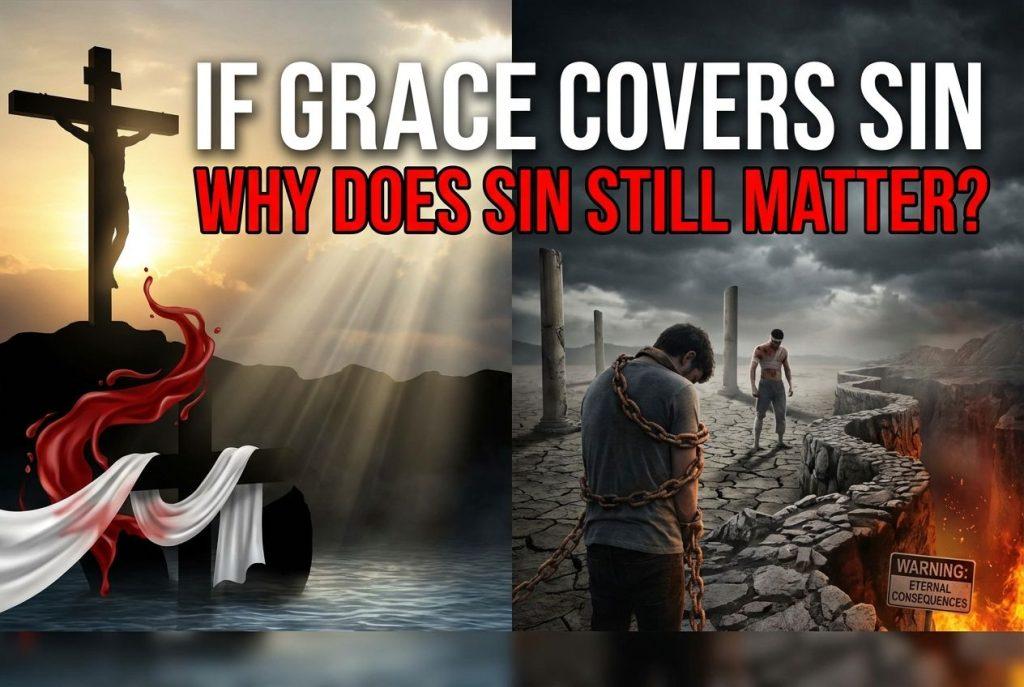
- Grace does not merely cover sin but actively removes it and transforms the sinner into a child of God.
- Sin matters because it damages our relationship with God, harms others, and wounds our own soul.
- The Catholic Church teaches that mortal sin destroys sanctifying grace and separates us from God.
- Even venial sins create unhealthy attachments to created things and weaken our spiritual life.
- Grace calls us to cooperate with God’s transforming work rather than presuming upon His mercy.
- Understanding why sin matters helps us appreciate the gift of grace and pursue holiness more fully.
The Nature of Grace in Catholic Teaching
Grace stands at the heart of Catholic teaching about our relationship with God. The Catechism teaches that grace is the free and undeserved gift of God’s own life, infused into our souls by the Holy Spirit to heal us from sin and make us holy (CCC 1999). This understanding differs from the mistaken notion that grace simply covers over sin like a blanket hiding dirt. Instead, Catholic theology presents grace as transformative power that actually removes sin and changes who we are at the deepest level. The grace of Christ is not a legal fiction but a real participation in divine life. When God justifies us, He does not simply declare us righteous while we remain sinners; He makes us righteous by pouring His love into our hearts through the Holy Spirit. This sanctifying grace perfects the soul itself, enabling us to live with God and act by His love (CCC 2000). The transformative nature of grace means that receiving God’s mercy involves real change, not just a different status before God. We become new creations in Christ, genuinely holy through the indwelling of the Holy Spirit.
The Church distinguishes between sanctifying grace and actual grace to help us understand how God works in our lives. Sanctifying grace is the permanent supernatural life of God dwelling in the soul, making us His adopted children and heirs of heaven. This habitual grace remains in the soul as long as we do not commit mortal sin. Actual grace refers to God’s interventions at particular moments, moving us to think, desire, and act in ways that lead toward eternal life. Both forms of grace work together in the process of salvation. Sanctifying grace gives us a new identity as children of God, while actual grace helps us live out that identity through concrete choices. The Catechism explains that justification is not merely the remission of sins but also the sanctification and renewal of the interior person (CCC 1989). This means that when God forgives our sins, He also heals the damage sin has caused and strengthens us against future temptation. Grace detaches us from sin, purifies our hearts, frees us from enslavement to evil, and reconciles us with God (CCC 1990). Understanding these truths helps us see why grace and sin cannot coexist in harmony; grace actively opposes sin and works to eliminate it from our lives.
Why Sin Matters Despite Grace
Sin matters profoundly because it contradicts everything grace accomplishes in our souls. Saint Paul directly addresses this question in his letter to the Romans when he asks whether Christians should continue in sin so that grace may abound. His answer is emphatic: “By no means!” (Romans 6:2). Paul explains that those who have been baptized into Christ have died to sin; we cannot continue living in something we have died to. This death to sin is not merely symbolic but represents a real change in our fundamental orientation. When we understand grace correctly, we see that it calls us to holiness, not license to sin. The very nature of grace as participation in God’s life means it is incompatible with deliberate rejection of God through sin. Grace heals us from sin, so treating grace as permission to sin makes no sense; it contradicts the entire purpose and nature of God’s gift. The question “Why does sin matter if grace covers it?” reveals a misunderstanding of what grace actually does. Grace does not cover sin; it removes sin and transforms sinners into saints.
Sin matters because it damages three crucial relationships: our relationship with God, our relationship with others, and our relationship with ourselves. The Catechism defines sin as an offense against reason, truth, and right conscience; it represents a failure in genuine love for God and neighbor caused by disordered attachment to created goods (CCC 1849). Sin wounds human nature and injures human solidarity. When we sin, we do not simply break an arbitrary rule; we damage the very fabric of reality as God created it. Sin represents a rejection of God’s love for us and turns our hearts away from Him (CCC 1850). This turning away from God is the essence of sin’s gravity, not merely the specific act committed. Even sins that seem private or victimless affect the whole Church and all of humanity because we are bound together in Christ. Our sins wound the Body of Christ and weaken the witness of the Church to the world. They also damage our own souls, creating habits of disobedience and weakening our capacity for virtue. Understanding these multiple dimensions of sin’s harm helps us see why it matters so much, even in the context of God’s abundant grace.
The Distinction Between Mortal and Venial Sin
Catholic teaching distinguishes between mortal and venial sin to help us understand the different ways sin affects our relationship with God. Mortal sin destroys the charity in our hearts through grave violation of God’s law; it turns us away from God, who is our ultimate end and source of true happiness (CCC 1855). For a sin to be mortal, three conditions must be present together: the matter must be grave, we must have full knowledge that it is seriously wrong, and we must give full consent of the will (CCC 1857). When all three conditions are met, mortal sin kills the supernatural life of grace in the soul. A person who dies in mortal sin without repentance faces eternal separation from God. This reality shows why sin matters tremendously; grace may be freely offered, but we can reject it through mortal sin. The Church teaches this distinction not to minimize the seriousness of less grave sins but to help us understand the different spiritual states we can be in. Mortal sin represents complete rupture with God, while venial sin weakens but does not destroy our relationship with Him.
Venial sin occurs when we fail to observe the moral law in less serious matters or when we disobey God’s law in grave matters without full knowledge or complete consent (CCC 1862). While venial sins do not destroy sanctifying grace, they matter significantly because they wound our relationship with God and weaken our spiritual life. Every sin, even venial, creates unhealthy attachments to created things rather than God (CCC 1472). These disordered attachments must be purified either in this life or after death in purgatory. Venial sins also make us more vulnerable to mortal sin by weakening our resistance to temptation and dulling our spiritual sensitivity. They damage our ability to love God and neighbor with our whole heart. The distinction between mortal and venial sin helps us understand that not all sins are equally serious in their consequences, but this does not mean venial sins are unimportant. Rather, it means we should fight against all sin while being especially vigilant against those sins that completely separate us from God. Both types of sin matter because both oppose God’s will and damage the life of grace He wants to give us.
Temporal Punishment and the Consequences of Sin
Even when God forgives sin through the sacrament of Reconciliation, temporal punishment often remains. This reality demonstrates that sin matters beyond the immediate question of eternal salvation. The Catechism teaches that every sin creates consequences that must be addressed even after guilt is forgiven. Sin has wounded our nature, damaged our relationships, and created disordered habits that persist after forgiveness. Temporal punishment represents the purification needed to heal these wounds and restore right order in our souls. God’s grace forgives the eternal punishment due to mortal sin and removes the guilt, but the temporal effects remain to be addressed. This might seem strange at first, but it reflects the reality that sin has multiple consequences. When someone steals from a neighbor and then repents, God forgives the sin, but the stolen property still needs to be returned. The forgiveness of sin does not automatically undo all its effects. Understanding temporal punishment helps us see that sin creates real damage that must be healed, not simply legal guilt that must be cancelled.
Purgatory exists precisely because most people who die in God’s friendship still need purification from the temporal effects of sin. The Church teaches that those who die in grace but still have attachments to sin or unpaid temporal debt undergo purification to achieve the holiness necessary for heaven (CCC 1472). This doctrine shows that sin matters even for those who ultimately reach salvation. The goal of Christian life is not merely to avoid hell but to become fully holy, completely free from all attachment to sin. God’s grace calls us to this complete transformation, not just to minimal compliance with rules. Purgatory is itself a gift of God’s mercy, ensuring that nothing impure enters heaven while guaranteeing that those who die in grace will reach their eternal home. The reality of temporal punishment and purgatory demonstrates that sin has lasting consequences that matter profoundly. We should not presume on God’s mercy by sinning deliberately, thinking we can always repent later. Instead, we should cooperate with grace now to grow in holiness and minimize the purification we will need.
Grace Calls Us to Transformation
Grace is not merely forgiveness; it is a call to become new creations in Christ. The Catechism teaches that the first work of grace is conversion, moving us to turn toward God and away from sin (CCC 1989). This conversion is not a one-time event but an ongoing process of transformation throughout our lives. Grace makes demands on us because it is meant to change us fundamentally. When we receive grace, we are called to cooperate with it by rejecting sin and pursuing virtue. This cooperation is itself enabled by grace; we cannot move toward God without His help. However, God respects our freedom and will not force transformation upon us. We must freely choose to accept grace and work with it. This means that asking “Why does sin matter if grace covers it?” misses the point of what grace is trying to accomplish in us. Grace does not cover sin; it seeks to eliminate sin from our lives entirely and make us holy as God is holy.
The relationship between grace and human freedom is crucial to understanding why sin matters. God’s grace is always sufficient to enable us to avoid sin and choose good, but we must cooperate with that grace. The Catechism teaches that justification establishes cooperation between God’s grace and human freedom (CCC 1993). God initiates and sustains every good movement of our hearts, yet we genuinely participate through our choices. This cooperation means that we bear real responsibility for our actions. We cannot blame God when we sin, nor can we credit ourselves when we succeed in virtue. Both sin and holiness involve the interaction of divine grace and human will. Understanding this cooperation helps us see why sin matters: it represents our refusal to cooperate with grace, our choice to turn away from God’s offer of transformation. Every sin is a small rejection of God’s invitation to become more fully His children. Conversely, every act of virtue strengthened by grace moves us closer to the holiness God desires for us. Sin matters because it impedes the work grace is trying to accomplish in making us saints.
The Social Dimension of Sin
Sin is never purely private; it always affects others and the Church as a whole. Catholic teaching emphasizes this social dimension of sin to help us understand its full impact. When we sin, we wound the Body of Christ and damage the communion of the Church. Our sins affect other believers by weakening the common witness and spiritual vitality of the community. They also harm the wider society by contributing to structures of sin and cultures of death. The Catechism notes that sin wounds human solidarity, not just our individual relationship with God (CCC 1849). This social impact means that sin matters even beyond its effect on our own soul. We are our brother’s keeper, and our choices influence others for good or ill. Parents who sin teach their children harmful patterns. Public figures who sin scandalize many and weaken faith in the Church. Even private sins contribute to the overall spiritual climate by weakening our ability to be salt and light in the world.
The communion of saints works in both directions: our good deeds benefit others through spiritual solidarity, but our sins also harm others. This reality should motivate us to take sin seriously even when grace is available for forgiveness. We should not want to sin not only because it harms our relationship with God but also because it hurts our brothers and sisters. The Church’s teaching on scandal helps us understand this social dimension. Scandal occurs when someone’s action or omission leads others toward sin. Those who commit scandal bear responsibility not only for their own sin but also for the sins they occasion in others. This reality shows how sin multiplies its effects through the interconnections between people. Grace calls us to build up the Body of Christ through virtue and holy living. Sin tears down what grace is trying to build. Understanding the social dimension of sin helps us see why it matters so much; we are not isolated individuals but members of a body, and what affects one member affects all.
Sin Damages Our Capacity for Relationship
Beyond its effects on our standing before God, sin damages our very capacity for relationship. The Catechism teaches that sin wounds the nature of humanity (CCC 1849). This wounding is not merely external punishment but internal damage to our faculties and capacities. When we sin, we harm our own souls, making it harder to love God and neighbor in the future. Sin creates disordered habits, weakens our will, darkens our intellect, and inflames our passions. These effects accumulate over time if we do not resist them through grace. Someone who lies repeatedly becomes a liar, finding it increasingly difficult to tell the truth. Someone who indulges anger becomes an angry person, prone to rage at small provocations. The damage sin causes to our character explains why venial sins matter even though they do not destroy grace. Each venial sin weakens our spiritual strength and makes us more vulnerable to serious sin. Each venial sin reinforces disordered patterns and makes virtue more difficult.
Grace works to heal this damage and restore our capacity for relationship with God, others, and our true selves. The process of sanctification involves not only forgiveness of guilt but also healing of the wounds sin has caused. This healing takes time and cooperation with grace through prayer, sacraments, and practice of virtue. The reality of sin’s damage to our nature helps us understand why we should not sin even when grace is available. Each sin makes the work of grace harder by adding more damage that needs healing. Each sin deepens the ruts of disordered habits that must be overcome. Understanding this should motivate us to avoid sin not merely from fear of punishment but from desire for the freedom and wholeness grace offers. Sin matters because it damages the very core of who we are, making us less capable of the love and joy God created us for. Grace matters because it heals this damage and restores us to our true identity as children of God. These two realities, sin and grace, are not opposites that cancel out; they are opposing forces in a real battle for our souls.
Growing in Holiness Through Cooperation With Grace
The Christian life is not about achieving minimal acceptability before God but about growing toward complete union with Him in love. This goal requires that we take sin seriously and cooperate actively with grace. The saints demonstrate what human life looks like when grace is fully embraced and sin is steadily overcome. They show us that holiness is possible, not through human effort alone but through cooperation with divine grace. The Catechism presents justification as both a one-time event and an ongoing process (CCC 1992). We are justified when we first receive grace in baptism, but we must then grow in that justification throughout our lives. This growth requires constant vigilance against sin and persistent cooperation with grace. We must daily choose to turn away from sin and toward God. This daily conversion is not automatic or easy; it requires grace-empowered effort and genuine commitment.
Understanding why sin matters helps us approach the spiritual life with appropriate seriousness. We are not playing games with God, trying to see how much we can get away with while still technically making it to heaven. We are being invited into the most important relationship possible, union with God Himself. Sin matters because it damages this relationship and impedes our growth in love. Grace is not cheap, and we should not treat it as such. Christ died to destroy sin and free us from its power; we honor His sacrifice by fighting against sin in our own lives. The question “Why does sin matter if grace covers it?” ultimately reveals a misunderstanding of the Christian message. The Gospel is not “Sin doesn’t matter because grace covers it.” The Gospel is “Grace empowers you to overcome sin and become holy.” Sin matters because holiness matters. Holiness matters because God is holy and calls us to share in His holiness. Grace is God’s gift that makes this holiness possible, not by covering our sins but by transforming us from sinners into saints.
The Relationship Between Love and Obedience
Catholic teaching presents morality not as arbitrary rules but as the path of love. Sin matters because it represents failure in love for God and neighbor (CCC 1849). When we understand sin this way, we see that the question is not about legalistic compliance but about relationship. We avoid sin not primarily because we fear punishment but because we love God and want to please Him. Jesus teaches that keeping His commandments is the proof and expression of love for Him (John 14:15). This connection between love and obedience helps us understand why sin matters even in the context of grace. Grace does not free us from the obligation to obey God; it enables us to obey Him out of love rather than fear. The person who truly loves someone seeks to please them, not to see how much they can displease them while maintaining the relationship. Applying this to our relationship with God shows why sin matters: it hurts the One we love.
The transformation grace works in us includes growth in love for God and neighbor. As we cooperate with grace, we should find sin increasingly unattractive because we recognize it as contrary to love. The spiritual life involves retraining our desires and affections so that we want what God wants. This process takes time and requires patient cooperation with grace. We will stumble and fall repeatedly, but grace is always available to help us get up and continue. The availability of forgiveness through the sacrament of Reconciliation should encourage us but not make us complacent. We should be grateful that God’s mercy is always ready to forgive repentant sinners, but we should not therefore take sin lightly. True love for God means genuine sorrow when we offend Him through sin and sincere desire to avoid sin in the future. This attitude reflects proper understanding of both grace and sin. Grace is God’s love reaching out to us; sin is our rejection of that love. They are not complementary but opposed, and we must choose which we will serve.
The Example of the Saints
The lives of the saints provide concrete examples of what grace-empowered resistance to sin looks like. Saints are not people who never experienced temptation or never committed any sins. They are people who cooperated with grace so faithfully that God’s transforming work reached visible completion in them. Their examples show that holiness is not impossible or reserved for a spiritual elite. Every baptized Christian is called to sainthood, and grace makes it possible. The saints took sin seriously because they understood its power to damage their relationship with God. They fought against sin not through willpower alone but through reliance on grace accessed through prayer and sacraments. Their victories over sin demonstrate that grace is stronger than sin when we cooperate with it fully. Their struggles show that the battle against sin is real and difficult but ultimately winnable.
Looking at the saints also helps us see the positive goal of the spiritual life. We do not avoid sin merely to escape punishment but to become the people God created us to be. The saints show us humanity as God intended it, fully alive with divine grace and free from the slavery of sin. Their joy, peace, and love demonstrate what we are fighting for when we resist sin. Their example should inspire us to take the spiritual life seriously, recognizing that holiness is both possible and worth every sacrifice it requires. The Church presents the saints to us not as impossible standards that discourage us but as elder siblings who show us the path and cheer us on. They prove that grace is powerful enough to transform real human beings with all their weaknesses into genuine saints. If grace could transform Peter the denier, Paul the persecutor, and Augustine the libertine into great saints, it can transform us too. Sin matters because it impedes this transformation. Grace matters because it makes transformation possible. Together, these truths should motivate us to pursue holiness with confidence and determination.
Practical Implications for Daily Life
Understanding why sin matters despite grace has important practical implications for how we live as Christians. We should approach moral decisions not by asking “How much can I get away with?” but “How can I best love God and neighbor in this situation?” This shift in perspective changes everything about how we engage with moral teaching. We stop seeing God’s commandments as burdens and start recognizing them as guides to love. We become grateful for clear moral teaching because it shows us the path to genuine human flourishing. We approach confession not merely as obligation but as opportunity to receive healing grace and grow in holiness. We take temptation seriously, recognizing that sin is never trivial even when grace is available for forgiveness. We pray for the grace to resist temptation rather than presuming we can always repent later.
Daily cooperation with grace requires concrete practices that strengthen us against sin. Regular prayer keeps us connected to the source of grace and reminds us of God’s presence in our lives. Frequent reception of the sacraments, especially Eucharist and Reconciliation, provides grace directly and heals the damage sin causes. Study of Scripture and Church teaching forms our consciences and helps us recognize sin more clearly. Cultivation of virtue through deliberate practice strengthens us against temptation and makes holiness more natural. Examination of conscience helps us recognize patterns of sin and areas where we need growth. All these practices work together to create a life oriented toward holiness rather than minimal compliance. They help us cooperate with grace more fully so that sin loses its power over us. Understanding that sin matters even when grace is available should motivate us to embrace these practices seriously. We are not just avoiding hell; we are pursuing heaven. We are not just staying out of serious sin; we are becoming saints.
The Goal of Christian Life
The ultimate goal of Christian life is not merely to avoid damnation but to achieve perfect union with God in love. This goal requires that we be completely free from sin and fully transformed by grace. The question “Why does sin matter if grace covers it?” assumes that the goal is just to make it to heaven by whatever means possible. Catholic teaching presents a much higher and more attractive goal: becoming fully holy, completely like Christ, utterly transparent to divine love. This transformation begins in this life through cooperation with grace and will be completed in the next life for those who die in grace. Sin matters because it impedes progress toward this goal. Each sin is a step backward, a delay in the transformation grace is working to accomplish. Even venial sins matter because they create attachments that must be purified and habits that must be broken. The more we cooperate with grace now by avoiding sin and pursuing virtue, the more advanced we will be in holiness when we die.
This positive goal should motivate us more powerfully than fear of punishment. God calls us to holiness not because He enjoys making demands but because He wants to share His own life with us completely. Sin matters because it prevents us from receiving this gift fully. Grace matters because it makes the gift possible. Understanding these truths properly leads to gratitude rather than resentment, joy rather than burden, freedom rather than constraint. We are not slaves forced to obey arbitrary rules but children invited into our Father’s house. We are not prisoners trying to escape punishment but beloved friends learning to love in return. This perspective transforms the moral life from grim duty into joyful response. Sin still matters, perhaps more than ever, but it matters because we understand what we are missing when we choose it. Grace still matters, more than we can comprehend, because it is God Himself sharing His life with us. These realities should shape every aspect of how we live as Christians.
Conclusion
The question “If grace covers sin, why does sin still matter?” reveals a fundamental misunderstanding of Catholic teaching about grace, sin, and salvation. Grace does not cover sin; it removes sin and transforms sinners. Sin matters because it damages our relationship with God, harms others, wounds our own souls, and impedes the work of grace in making us holy. The availability of grace for forgiveness does not make sin unimportant; rather, it makes the choice to sin even more tragic because we are rejecting the very gift that can heal us. Catholic teaching presents a vision of human life in which we are called not merely to minimal acceptability before God but to complete holiness and perfect union with Him in love. This vision requires that we take both grace and sin seriously, cooperating with grace to overcome sin rather than presuming on mercy while continuing in sin. The saints demonstrate that this goal is achievable through grace-empowered cooperation. Their examples inspire us to pursue holiness with confidence, knowing that grace is stronger than sin when we choose to work with it. Sin matters because holiness matters, and holiness matters because God is holy and calls us to share in His holiness. May we respond to this call with gratitude, taking seriously both the gift of grace and the danger of sin.
Disclaimer: This article presents Catholic teaching for educational purposes. For official Church teaching, consult the Catechism and magisterial documents. For personal spiritual guidance, consult your parish priest or spiritual director. Questions? Contact editor@catholicshare.com
Sign up for our Exclusive Newsletter
- 📌 Add CatholicShare as a Preferred Source on Google
- 🎁 Join us on Patreon for Premium Content
- 🎧 Check Out These Catholic Audiobooks
- 📿 Get Your FREE Rosary Book
- 📱 Follow Us on Flipboard
-

Recommended Catholic Books
Discover hidden wisdom in Catholic books — invaluable guides enriching faith and satisfying curiosity. #CommissionsEarned
- The Early Church Was the Catholic Church
- The Case for Catholicism - Answers to Classic and Contemporary Protestant Objections
- Meeting the Protestant Challenge: How to Answer 50 Biblical Objections to Catholic Beliefs
As an Amazon Associate, I earn from qualifying purchases. Thank you for your support.