
Brief Overview
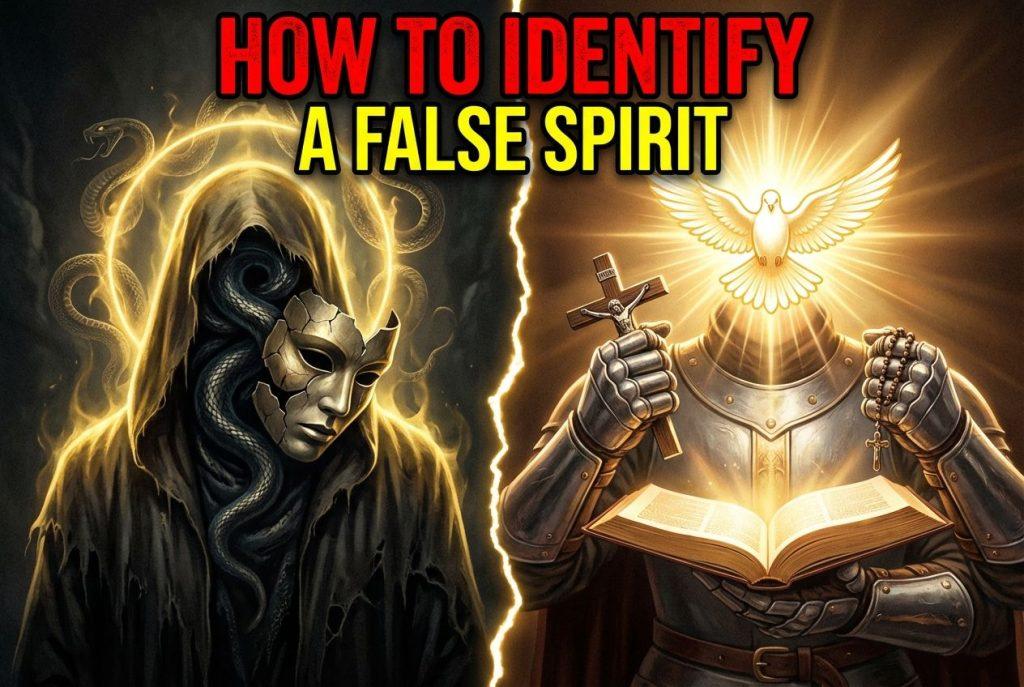
- False spirits work to deceive believers by appearing good while leading souls away from God and His truth.
- The Catholic Church teaches that discernment of spirits is essential for recognizing whether interior movements come from God, human nature, or evil spirits.
- Scripture provides clear tests for identifying false spirits, including examining their confession of Jesus Christ and observing the fruits they produce.
- Saint Ignatius of Loyola developed specific rules for discerning spirits that help Catholics distinguish between spiritual consolation and desolation.
- The Catechism addresses the reality of Satan and demons, emphasizing their ability to tempt and deceive while respecting human free will.
- Prayer, sound doctrine, humility, and guidance from the Church are necessary tools for protecting oneself against false spirits.
Understanding the Nature of False Spirits
The Catholic Church affirms the real existence of spiritual beings, both good and evil. The teaching found in references to divine truth emphasizes that believers must remain vigilant against deception. False spirits are fallen angels who rejected God and now work to lead souls away from salvation. The Catechism explains that these demons were created good by God but became evil through their own choice (CCC 391). They retain their angelic intelligence and power, though they cannot force human beings to sin. Their primary weapon is deception, and they use this weapon skillfully to confuse, mislead, and ultimately separate people from God. Understanding the nature of false spirits requires recognizing that they are personal beings with malicious intent, not mere symbols or abstract concepts of evil. The reality of Satan and his demons forms part of the deposit of faith handed down through Scripture and Tradition. These beings operate in a spiritual dimension that intersects with human experience, though they remain invisible to our physical senses. Their influence manifests through temptations, lies, spiritual confusion, and attacks on faith.
Catholics must take seriously the warnings found throughout Sacred Scripture about the activity of evil spirits. The letter of 1 John 4:1 instructs believers not to believe every spirit but to test them to see whether they are from God, for many false prophets have gone out into the world. This testing involves examining both the content of what is communicated and the effects it produces in the soul. False spirits seek to imitate good spirits, making their identification more challenging. Saint Paul warns in 2 Corinthians 11:14 that Satan himself masquerades as an angel of light, meaning he can appear good, righteous, and even holy while pursuing destructive ends. This capacity for disguise explains why discernment requires more than surface judgment. The believer must look beneath appearances to the underlying reality. False spirits often work gradually, introducing small errors or temptations that seem harmless at first but lead progressively toward greater sin and separation from God. They exploit human weaknesses, including pride, fear, sensuality, and the desire for power or knowledge. Recognizing their tactics requires spiritual maturity, prayer, and reliance on the guidance of the Holy Spirit working through the Church.
Biblical Foundations for Testing Spirits
Sacred Scripture provides clear criteria for identifying false spirits and distinguishing them from the working of the Holy Spirit. The First Letter of John offers the most direct instruction on this matter. 1 John 4:2-3 states that every spirit that acknowledges Jesus Christ come in the flesh is from God, but every spirit that does not acknowledge Jesus is not from God. This test focuses on the core mystery of the Incarnation, the belief that God became man in Jesus Christ. False spirits consistently deny or distort this central truth. They may present alternative versions of Jesus that strip away His divinity, reduce Him to a mere teacher or prophet, or reject His true humanity. Any spiritual influence that leads away from authentic faith in Jesus Christ as both fully God and fully man comes from a false spirit. This criterion serves as the foundation for all other discernment because it protects the essential truth upon which salvation depends. The Catholic faith confesses that Jesus is Lord, the Second Person of the Trinity who took on human nature for our redemption. Spirits that contradict this confession reveal their origin.
The Gospel of Matthew provides another essential test through the teaching about recognizing false prophets by their fruits. In Matthew 7:15-20, Jesus warns that false prophets come in sheep’s clothing but inwardly are ravenous wolves. He teaches that you will know them by their fruits, for a good tree cannot bear bad fruit nor can a bad tree bear good fruit. This principle of examining fruits applies not only to individuals but also to spiritual movements, interior inspirations, and claimed revelations. The fruits of the Holy Spirit include love, joy, peace, patience, kindness, goodness, faithfulness, gentleness, and self-control as described in Galatians 5:22-23. These fruits build up the Church, strengthen faith, promote virtue, and lead souls closer to God. By contrast, false spirits produce fruits of division, confusion, anxiety, pride, despair, and sin. They create discord in communities, foster spiritual arrogance, encourage disobedience to legitimate authority, and lead people into moral compromise. Observing these fruits requires time and careful attention, as false spirits often produce initial feelings of consolation or spiritual excitement that eventually give way to destructive outcomes.
The Apostle Paul adds further guidance in his letters to early Christian communities. In 1 Thessalonians 5:21-22, he instructs believers to test everything and hold fast to what is good while abstaining from every form of evil. This testing involves bringing spiritual experiences, teachings, and inspirations before the light of faith. Does the spirit in question conform to what the Church has always taught? Does it lead to greater love of God and neighbor? Does it promote humility and obedience? Does it respect the truth and the moral law? These questions help expose false spirits that may initially seem appealing. Saint Paul also warns in Galatians 1:8 that even if an angel from heaven should preach a gospel contrary to what was received, let him be accursed. This strong language emphasizes that no spiritual experience, no matter how impressive, can override the deposit of faith. False spirits often claim special revelations or new teachings that contradict established doctrine. They appeal to spiritual pride by suggesting that certain individuals have access to hidden knowledge unavailable to the ordinary faithful. The biblical foundation for discernment consistently points believers back to the truth revealed in Christ and preserved in the Church.
The Ignatian Rules for Discernment
Saint Ignatius of Loyola, founder of the Society of Jesus, developed a comprehensive set of rules for the discernment of spirits based on his own profound spiritual experiences. These rules, found in his Spiritual Exercises, provide practical guidance for recognizing the different movements within the soul. Ignatius distinguished between two primary categories: consolation and desolation. Spiritual consolation includes any increase of faith, hope, and love, along with interior joy that draws one toward heavenly things and the salvation of the soul. Desolation refers to movements opposite to these, including darkness of soul, turmoil, attraction to base things, and restlessness from various agitations and temptations. Understanding these two states forms the foundation for identifying which spirit is at work. The good spirit produces true consolation that strengthens, enlightens, and brings peace. The evil spirit produces desolation that weakens, confuses, and disturbs. However, the rules become more complex when considering how each spirit operates differently depending on the spiritual state of the person.
For those moving away from God and toward serious sin, Ignatius teaches that the evil spirit proposes apparent pleasures, filling the imagination with sensual delights and gratifications to keep the person in vice. The good spirit, by contrast, uses reason and conscience to cause remorse and pangs of conscience. This explains why people deeply entrenched in sin often feel comfortable and experience little spiritual disquiet, while their first steps toward conversion may be accompanied by significant struggle. The evil spirit wants to keep such persons asleep in their sins, presenting temptation as attractive and minimizing the reality of spiritual danger. As someone begins turning toward God, however, the tactics shift. For those progressing in spiritual life and genuinely seeking God, the good spirit brings encouragement, consolation, peace, and removes obstacles. The evil spirit opposes this progress through anxiety, sadness, and false obstacles that discourage perseverance. Recognizing this tactical shift helps explain why people often experience increased spiritual warfare precisely when they are growing closer to God. The enemy attacks most fiercely those who threaten his influence.
Ignatius provides specific guidance about how the evil spirit operates against souls seeking God. One key rule states that the enemy acts like a false lover who wants to remain hidden and not be revealed. When a person manifests temptations to a confessor or spiritual director, bringing them into the light, the evil spirit recognizes that his plans will fail. He therefore works hard to keep people isolated, ashamed to speak about their struggles, and secretive about interior movements. This rule emphasizes the importance of spiritual direction and the sacrament of Reconciliation in combating false spirits. Another rule compares the evil spirit to a military commander studying defenses to attack at the weakest point. He observes each person carefully, noting which virtue is most lacking or which passion is strongest, then launches his assault where resistance will be minimal. This reality means that individuals must know themselves honestly, recognizing their particular vulnerabilities. The evil spirit also resembles a false lover in encouraging secrecy, while the good spirit promotes openness and transparency. False spirits thrive in isolation and darkness, while the Holy Spirit works in communion with the Church and in the light of truth.
Signs of a False Spirit in Personal Experience
When attempting to identify a false spirit in one’s personal spiritual life, several warning signs merit careful attention. Persistent spiritual desolation unaccompanied by any clear cause in one’s actions or circumstances can indicate the presence of a false spirit. While genuine desolation sometimes occurs as part of spiritual growth, desolation that leads away from prayer, weakens faith, produces despair, or encourages abandonment of spiritual practices reveals an evil origin. The false spirit wants to separate the soul from God, making prayer seem useless and faith appear foolish. This desolation often includes feelings of being abandoned by God, doubts about one’s salvation, exaggerated focus on past sins despite having confessed them, and a general sense of spiritual darkness. The person may feel that God no longer loves them or that they are beyond redemption. Such thoughts contradict the promises of Scripture and the constant teaching of the Church about God’s mercy. When these experiences persist despite faithful practice of the sacraments and prayer, they warrant examination for the influence of a false spirit.
Spiritual experiences that inflate pride or create a sense of superiority over other believers frequently indicate a false spirit. The Holy Spirit produces humility and recognition of one’s complete dependence on God’s grace. When spiritual experiences lead someone to believe they are specially chosen, more enlightened than others, or possess unique access to divine truth, warning bells should sound. False spirits often stroke human ego, suggesting that one has advanced beyond the need for ordinary spiritual disciplines or that one has surpassed the understanding of priests, theologians, or the Magisterium. This pride manifests in resistance to spiritual direction, unwillingness to submit interior experiences to Church authority, and a dismissive attitude toward those who question the authenticity of what is experienced. Genuine mystical experiences, by contrast, increase humility, deepen obedience to the Church, and make one more aware of personal sinfulness. Saint Teresa of Avila and Saint John of the Cross, both recognized doctors of mystical theology, consistently emphasize that authentic encounters with God make the soul smaller in its own eyes and more aware of God’s greatness. Any spiritual experience that produces the opposite effect deserves serious scrutiny.
The content of interior locutions, visions, or spiritual impressions provides crucial evidence about their source. Messages that contradict defined Catholic doctrine, encourage disobedience to legitimate Church authority, predict specific future events with precise details, or focus excessively on apocalyptic themes often originate from false spirits. While God certainly can and does communicate with souls through various means, He never contradicts what He has already revealed through Scripture and Tradition. False spirits, however, frequently introduce novelties that distort or deny established teaching. They may present themselves as Mary, Jesus, angels, or saints while delivering messages inconsistent with what these holy persons would actually say. Genuine private revelations always respect the boundaries of public revelation and submit to Church authority for verification. They never claim to add to the deposit of faith or to supersede the teaching of Scripture and Tradition. Interior experiences that create obsessive focus on the messenger rather than leading to deeper love of God and neighbor reveal problematic origins. The purpose of authentic spiritual experiences is always to draw the soul toward God, not to create dependency on particular phenomena.
Signs of False Spirits in Teaching and Prophecy
The identification of false spirits extends beyond personal experience to evaluation of teachings, prophecies, and spiritual movements that claim divine inspiration. Teachers or prophets who consistently draw attention to themselves rather than to Christ manifest a strong indicator of false spirit influence. Authentic teachers of Catholic faith always point beyond themselves to Jesus and His Church. They present themselves as servants and instruments, not as the source of truth or spiritual power. When a teacher makes himself indispensable, claims special status, or demands unquestioning loyalty, these behaviors reveal problematic spiritual influences. False spirits work through such figures to create personality cults that substitute human authority for the authority of Christ working through His Church. The teacher may claim to have received unique revelations unavailable through ordinary channels, possess special powers of healing or prophecy that set him apart, or present himself as necessary for others’ salvation. These claims contradict Catholic ecclesiology and the understanding that grace flows through the sacraments and ordinary means established by Christ.
Teachings that diminish the importance of the sacraments, especially the Eucharist and Reconciliation, indicate false spirit activity. The Catholic faith centers on sacramental life as the primary means by which believers encounter Christ and receive His grace. Any spirituality that presents itself as superior to or independent from the sacraments deviates from authentic Catholic teaching. False spirits may suggest that personal spiritual experiences, private prayer groups, or special devotions can replace participation in Mass and the sacramental life of the Church. They may downplay the necessity of sacramental Confession, encouraging people to rely solely on direct communication with God for forgiveness of sins. Such teachings contradict the consistent tradition and the ordinary means of grace that Christ Himself instituted. The Church teaches that while God can work outside the sacraments, He has chosen to work primarily through them, and believers should not presume to bypass the channels He established. Teachers who minimize sacramental practice reveal either ignorance of Catholic teaching or influence by spirits opposed to Christ’s plan for salvation.
Prophecies that focus excessively on doom, punishment, and apocalyptic destruction while offering little hope in God’s mercy often stem from false spirits. While Scripture certainly contains prophecies of judgment and the Church acknowledges that Christ will return to judge the living and the dead, excessive focus on catastrophe produces fear rather than conversion. False spirits use fear to paralyze souls, creating anxiety that prevents joyful service of God. Authentic prophecy calls people to repentance but always in the context of hope in God’s mercy and the promise of redemption. The tone and emphasis of prophetic messages matter significantly. Messages from God always respect human freedom and dignity, calling people to respond freely rather than attempting to manipulate through terror. Prophecies that claim to reveal exact dates for future events, provide detailed descriptions of coming catastrophes, or demand specific actions under threat of divine punishment raise serious concerns. The Church has always been cautious about such predictions, recognizing that God reveals what is necessary for salvation but does not typically satisfy human curiosity about future events. False spirits exploit this curiosity, offering detailed predictions that create fear and dependency on the alleged prophet.
The Role of Doctrine in Identifying False Spirits
Catholic doctrine serves as an essential measuring stick for identifying false spirits because truth cannot contradict truth. The Holy Spirit, who is the Spirit of Truth, will never inspire teaching that contradicts what God has already revealed. This principle provides reliable protection against deception. When evaluating any spiritual experience, teaching, or movement, Catholics must ask whether it conforms to the defined teachings of the Church. The Catechism of the Catholic Church presents the authoritative synthesis of Catholic doctrine drawn from Scripture, Tradition, and the Magisterium. Any spirit that leads away from these teachings reveals its false nature. For example, teachings that deny the Real Presence of Christ in the Eucharist, reject the authority of the Pope and bishops in union with him, promote moral relativism, or contradict the Church’s understanding of human dignity and morality cannot come from the Holy Spirit regardless of how spiritual or religious they appear. False spirits often target specific doctrines that contemporary culture finds difficult, presenting alternative interpretations that seem more acceptable to modern sensibilities.
The reality of objective moral truth provides another doctrinal foundation for discernment. False spirits consistently work to blur the distinction between good and evil, suggesting that moral truth depends on personal conviction or cultural context rather than divine revelation. The Church teaches that certain actions are always and everywhere wrong, regardless of circumstances or intentions, because they contradict the dignity of the human person and the will of God. These include direct attacks on innocent human life, such as abortion and euthanasia, as well as violations of human sexuality outside the permanent covenant of marriage between man and woman. Spirits that encourage moral compromise in these areas or suggest that the Church’s teaching has become outdated reveal their false origin. The commandments of God do not change with time or culture because they reflect the eternal nature of God and the unchanging dignity of the human person. Teachers who claim that the Holy Spirit is inspiring the Church to reverse its moral teaching on fundamental matters contradict the nature of divine truth. Such claims amount to suggesting that God contradicts Himself or that what He once called sin He now calls virtue.
The Church’s understanding of salvation through Jesus Christ alone provides crucial doctrinal grounding for discernment. False spirits frequently promote forms of universalism that suggest all religions are equally valid paths to God or that everyone will eventually be saved regardless of their response to Christ. While the Church teaches that God desires all people to be saved and that He can work in mysterious ways beyond visible boundaries of the Church, she has never abandoned the proclamation that Jesus Christ is the one mediator between God and humanity. Salvation comes through His death and resurrection, received by faith and baptism. Spirits that present Jesus as merely one option among many religious leaders or that deny the uniqueness of His role in salvation cannot be from God. Similarly, movements that downplay the necessity of the Church for salvation or present her as a merely human institution rather than the Body of Christ established to continue His mission reveal false spiritual influences. The doctrine that the Church is necessary for salvation, properly understood, forms part of the deposit of faith and cannot be abandoned without abandoning Christianity itself.
Practical Methods for Discerning Spirits
Catholics have access to specific practical methods for discerning the nature of spirits they encounter in spiritual life. The first and most important method is prayer, particularly prayer directed explicitly to the Holy Spirit asking for the gift of discernment. Before making judgments about spiritual experiences, teachings, or movements, believers should pray for wisdom and guidance. This prayer acknowledges human limitation and dependence on divine assistance. The Holy Spirit, who searches everything including the depths of God as described in 1 Corinthians 2:10, grants understanding beyond natural capacity when invoked with faith. Regular prayer, especially daily Mass when possible and frequent reception of the sacraments, strengthens spiritual perception and increases sensitivity to the movements of the Holy Spirit. The practice of Eucharistic Adoration provides particular opportunity for quiet discernment in the presence of the Lord. When confused by competing spiritual impulses or uncertain about the source of interior movements, spending time in silent adoration often brings clarity as the soul rests in Christ’s presence.
Consultation with a wise spiritual director forms another essential method for discernment. The Catholic tradition has always emphasized the value of spiritual direction for growth in holiness and for protection against deception. A good spiritual director, preferably a priest with training in spiritual theology, provides an objective perspective on interior experiences and helps identify patterns that might escape notice when examining oneself. The director can recognize classic signs of false spirit activity based on familiarity with spiritual literature and experience guiding other souls. This consultation should be regular rather than reserved only for times of crisis. Ongoing spiritual direction allows the director to understand the normal pattern of a person’s spiritual life, making it easier to identify when something unusual or problematic emerges. The sacrament of Reconciliation serves a similar purpose, as the confessor can offer guidance about the spiritual life beyond the absolution of sins. Bringing temptations, doubts, and spiritual struggles into the light through confession weakens their power, exactly as Saint Ignatius taught. False spirits thrive in secrecy and isolation but flee when exposed to the wisdom and authority of the Church’s ministers.
Testing spirits through comparison with the lives and teachings of canonized saints provides practical wisdom for discernment. The saints are those whom the Church has definitively declared to be in heaven, having lived lives of heroic virtue and authentic holiness. Their writings, spiritual experiences, and patterns of behavior offer reliable models. When uncertain about a spiritual experience or teaching, Catholics can ask whether it resembles what the saints experienced and taught or whether it differs significantly. This comparison does not mean that every authentic spiritual experience must exactly match those of past saints, as God deals with each soul uniquely. However, the fundamental principles and patterns should align. Do the saints speak of similar experiences? Do their teachings confirm or contradict what is being proposed? Did they demonstrate humility, obedience, and docility to Church teaching? The writings of spiritual masters like Saint Teresa of Avila, Saint John of the Cross, Saint Francis de Sales, and Saint Thérèse of Lisieux provide particularly rich resources for understanding authentic spirituality and recognizing its counterfeits. These doctors of the Church possessed both profound mystical experience and sound theological formation, making their guidance especially valuable.
The Importance of Humility in Discernment
Humility stands as perhaps the most crucial virtue for anyone seeking to identify false spirits accurately. Pride opens the door to deception because it makes a person vulnerable to flattery and resistant to correction. The false spirit exploits pride by suggesting that one has special spiritual status, unique insights, or advanced holiness that places one above the need for ordinary guidance. Humble souls, by contrast, recognize their complete dependence on God’s grace and their constant need for the Church’s wisdom. They do not trust their own judgment absolutely but instead submit their experiences and understandings to verification by spiritual directors and Church teaching. This humility does not mean lack of confidence in what God truly reveals, but rather recognition that discerning the source of interior movements requires more than subjective certainty. Many people throughout history have been absolutely convinced that they were hearing from God when in fact they were experiencing either their own imagination or the deception of false spirits. Humility acknowledges this possibility and welcomes correction when evidence suggests that an experience did not originate with God.
The practice of regular self-examination in light of Scripture and Church teaching cultivates the humility necessary for accurate discernment. Catholics should frequently ask themselves honest questions about their spiritual life. Am I growing in virtue or becoming more difficult and judgmental? Do my spiritual experiences lead me closer to the Church or create distance from her? Am I becoming more patient, kind, and loving, or more critical and self-focused? Has my prayer life deepened my love for the Eucharist and the sacraments, or has it led me to view them as less important? These questions help identify patterns that reveal the work of different spirits. The answers require brutal honesty rather than self-deception. False spirits work hard to maintain illusions of spiritual progress while actually leading souls away from God. They can make a person feel very religious and spiritual while hollowing out authentic faith. Humility enables one to see through these illusions and recognize spiritual regression disguised as advancement. This self-knowledge does not produce despair but rather proper perspective on one’s spiritual state.
Obedience to legitimate Church authority demonstrates humility and provides protection against false spirits. When bishops, priests, or religious superiors raise concerns about a person’s spiritual experiences or the teachings they promote, humble response involves careful reconsideration rather than defensive resistance. The Church possesses authority from Christ to guide the faithful in matters of faith and morals. This authority extends to judging the authenticity of private revelations and spiritual experiences. While individual Church leaders can make mistakes in pastoral judgment, the consistent teaching of the Magisterium and the wisdom of holy pastors deserve serious respect. False spirits encourage rebellion against legitimate authority, often by suggesting that Church leaders have become corrupt, have lost touch with the Holy Spirit, or are persecuting those who truly hear from God. These suggestions exploit partial truths but lead to dangerous separation from the very sources of grace and guidance that Christ established. Humble souls recognize that God normally works through the structures He instituted rather than bypassing them. Extraordinary spiritual experiences that lead to contempt for ordinary channels of grace reveal their false origin through this very characteristic.
The Fruits of True and False Spirits
Examining the long-term fruits of spiritual movements and experiences provides one of the most reliable methods for identifying false spirits. Jesus taught explicitly that trees are known by their fruits, and this principle applies consistently. The fruits of the Holy Spirit, as enumerated by Saint Paul, include love, joy, peace, patience, kindness, goodness, faithfulness, gentleness, and self-control. When spiritual experiences, teachings, or movements produce these fruits abundantly and consistently over time, they demonstrate authentic origin. These fruits manifest not only in individual lives but also in communities and relationships. True spirituality strengthens marriages, heals families, builds up parishes, and creates unity among believers. It produces saints who love the poor, serve others selflessly, maintain moral integrity under pressure, and radiate Christ’s presence. The fruit of love appears especially crucial, as Scripture identifies love as the greatest of all virtues and the very nature of God. Spirituality that does not produce genuine love, understood as willing the good of others and manifested in concrete service, reveals serious problems regardless of how impressive the phenomena associated with it may appear.
By contrast, false spirits produce fruits that may initially seem positive but eventually reveal their destructive nature. Division within communities often signals false spirit activity. When a spiritual movement or teacher creates factions within parishes, sets believers against their pastors, or generates ongoing conflict and controversy, these patterns suggest problematic origins. The Holy Spirit unites the Church while respecting legitimate diversity. False spirits divide by encouraging factions, competing loyalties, and suspicion toward those who question their teachings. The fruit of anxiety similarly indicates false spirit influence. While spiritual growth involves certain struggles and the cross is essential to following Christ, persistent anxiety about one’s spiritual state, obsessive focus on alleged revelations about future catastrophes, and fear-based motivation for religious practice all contradict the peace that comes from authentic encounter with God. Jesus repeatedly instructed His followers not to be afraid and promised peace as His gift. Spirituality that produces chronic anxiety has gone wrong somewhere, possibly through false spirit influence that exploits natural fears.
Moral compromise in the name of spirituality reveals false spirits with particular clarity. When spiritual teachers or movements encourage practices that violate Catholic moral teaching while claiming divine authority for doing so, their false origin becomes evident. This compromise can take many forms. Some movements suggest that advanced spiritual persons transcend ordinary moral rules, that mystical experiences justify moral flexibility, or that the Holy Spirit is leading the Church toward acceptance of previously condemned behaviors. These suggestions amount to claiming that God contradicts His own nature and commands. No amount of spiritual phenomena can justify mortal sin or rationalize disobedience to divine law. Saints throughout history have sometimes faced profound interior struggles and dark nights of the soul, but they never resolved these difficulties through moral compromise. Instead, they persevered in virtue while trusting that God would eventually provide clarity. Teachers who encourage moral shortcuts or suggest that rules apply differently to spiritually advanced persons reveal either their own deception or deliberate false teaching.
Protection Against False Spirits
Catholics possess powerful means of protection against false spirits when these means are employed faithfully. Regular reception of the sacraments, especially the Eucharist and Reconciliation, provides the primary and most effective defense. These sacraments unite the soul to Christ, strengthen grace, and drive away spiritual darkness. The Real Presence of Jesus in the Eucharist offers direct contact with the source of all truth and holiness. Frequent reception of Holy Communion feeds the soul with divine life and creates an interior disposition increasingly resistant to deception. Similarly, regular sacramental Confession purifies the soul, removes the stain of sin that gives false spirits opportunity to operate, and strengthens the will against temptation. The grace received through these sacraments surpasses any technique or human wisdom for spiritual protection. The Church’s liturgical life, including participation in the Mass and the Liturgy of the Hours when possible, immerses believers in authentic prayer drawn from Scripture and Tradition, gradually forming minds and hearts according to truth.
Consistent prayer, particularly the Rosary and devotion to Mary, provides strong protection against false spirits. The Mother of God possesses unique power against Satan and demons because of her complete sinlessness and her role as the new Eve who crushes the serpent’s head. Marian devotion has characterized the lives of saints across centuries precisely because Mary leads souls directly to Jesus and never allows them to be deceived. The Rosary combines meditation on the mysteries of salvation with repeated invocation of Mary’s intercession, creating a practice that guards the mind against error and the heart against spiritual danger. Saint Padre Pio called the Rosary his weapon, emphasizing its power against evil. Daily recitation of at least one decade, and ideally a full Rosary, creates spiritual protection that demons cannot penetrate. Devotion to the Sacred Heart of Jesus and the Immaculate Heart of Mary similarly unite souls to the sources of divine mercy and maternal protection. These traditional Catholic devotions, far from being outdated, offer proven means of growing in holiness and resisting the attacks of the enemy.
Knowledge of Catholic teaching provides essential protection because falsehood cannot deceive those who know truth firmly. Catholics should dedicate regular time to studying the Catechism, reading Scripture, and learning from solid Catholic sources rather than relying on vague impressions or secondhand information about what the Church teaches. This study need not be academic or dry but can involve reading the lives of saints, listening to faithful catechesis, and participating in solid formation programs. The investment of time in learning authentic doctrine pays enormous dividends in spiritual protection because it creates a framework for evaluating everything else. When someone knows clearly what the Church teaches about the Eucharist, they cannot be fooled by movements that diminish Eucharistic devotion. When someone understands Catholic moral teaching, they recognize immediately when a supposed spiritual teacher contradicts it. This knowledge functions like an immune system that recognizes and rejects spiritual pathogens before they can cause serious damage. The protection extends beyond merely intellectual understanding to formation of conscience according to truth.
The Role of the Church in Discernment
The Catholic Church possesses both the authority and the responsibility to judge the authenticity of spiritual experiences, private revelations, and new movements that claim divine inspiration. This role flows from Christ’s commission to teach all nations and to bind and loose with His authority. The Magisterium, consisting of the Pope and bishops in communion with him, exercises this teaching authority definitively on matters of faith and morals. When questions arise about whether a particular spiritual phenomenon comes from God, from human origin, or from false spirits, the Church investigates and makes judgments that guide the faithful. These judgments deserve respect and obedience because they represent the discernment of the whole Church rather than merely individual opinion. The Church approaches such matters carefully, neither rushing to condemn authentic spiritual experiences nor allowing false spirits to deceive the faithful unchecked. Diocesan bishops possess primary responsibility for investigating alleged apparitions, private revelations, and spiritual movements in their territories, often appointing theological commissions to study these matters thoroughly.
The Church’s judgment serves to protect the faithful from deception while also authenticating genuine work of God when appropriate. This protective function appears essential in an age when many people claim direct communication from heaven and when spiritual experiences are discussed widely through social media and other means. Without authoritative judgment, every claim would stand on equal footing and believers would face impossible confusion. The Church provides clarity by examining claimed revelations and spiritual phenomena according to established criteria. Does the phenomenon contradict faith or morals? Does it produce good fruits? Does the person involved demonstrate humility and obedience? Are there natural or psychological explanations that account for the experiences? Through careful investigation, the Church separates authentic from inauthentic, protecting believers from wasting devotion on false claims or, worse, being led into error by following false spirits. Even when the Church does not definitively condemn a particular apparition or revelation, she may recommend caution or advise that the phenomenon lacks sufficient evidence to warrant belief.
Catholics should respond to Church judgments about spiritual matters with docility and trust rather than resistance or selective obedience. When the Church approves certain apparitions, such as those at Lourdes, Fatima, or Guadalupe, the faithful can be confident that these genuinely manifest divine action, though belief in them remains optional. When the Church condemns or prohibits devotion to alleged apparitions or revelations, obedience requires abandoning support for these phenomena regardless of personal conviction about their authenticity. This obedience does not demand suppression of honest questions or concerns, but it does require submission of judgment to the authority Christ gave His Church. The alternative, deciding for oneself which Church judgments to accept and which to reject, amounts to making oneself the ultimate authority rather than accepting the Church’s role as teacher. Such an attitude ironically becomes a sign of false spirit influence because it elevates personal conviction above ecclesial authority. True spiritual experiences always lead to greater love for and obedience to the Church, never to separation from her or resistance to her judgments.
Living in Truth as Protection
The fundamental protection against false spirits lies in commitment to living in truth at all levels of existence. The Catechism emphasizes that human beings are obliged by their nature to seek truth and adhere to it once discovered (CCC 2467). This obligation extends beyond theological truth to encompass honesty in speech, integrity in action, and authenticity in relationships. Living in truth means rejecting the duplicity, dissimulation, and hypocrisy that create openings for false spirits to operate. When a person maintains habitual honesty, speaking truthfully and acting with integrity even when doing so proves difficult, this pattern of life creates spiritual health that resists deception. False spirits exploit areas of untruth, working through the lies people tell themselves and others. Someone who lives habitually in truth, by contrast, develops sensitivity to falsehood that serves as early warning when false spirits approach. This sensitivity does not come from special mystical gifts but from consistent practice of basic virtues.
The practice of regular examination of conscience helps maintain commitment to truth by identifying areas where self-deception operates. Catholics traditionally examine conscience daily, reviewing actions, words, and thoughts to identify where they failed to live according to God’s will. This examination should go beyond cataloging sins to include honest assessment of motives, attitudes, and interior dispositions. Am I deceiving myself about my spiritual state? Have I rationalized behaviors I know are wrong? Do I tell myself comfortable lies about my prayer life, my relationships, or my pursuit of holiness? These questions, when answered honestly, bring hidden areas of untruth into light where they can be addressed. The examination of conscience naturally leads to sacramental Confession, where the grace of the sacrament both forgives sins and strengthens the will to live more authentically. The regular pattern of examination and confession creates a rhythm of truth-telling that gradually transforms the whole person.
Living in truth requires courage because it often means acknowledging uncomfortable realities about oneself and accepting correction from others. False spirits encourage comfortable illusions that flatter the ego and minimize failings. They suggest that one’s spiritual life is more advanced than it actually is, that certain sins are not really serious, or that rules that apply to others somehow do not apply to oneself. Resisting these illusions demands looking at reality clearly, even when doing so proves painful. This honesty extends to accepting fraternal correction when others point out faults or concerns. The person living in truth does not bristle at correction or immediately defend himself but instead considers whether the criticism might contain some truth that should be heeded. This receptivity does not mean accepting all criticism uncritically, but it does mean remaining open to the possibility that others see things one has missed. Such openness protects against the spiritual blindness that false spirits cultivate and maintain.
Trusting in God’s Providence and Protection
Ultimately, while believers must exercise vigilance and employ proper discernment methods, confidence in God’s providence and protection provides the deepest foundation for spiritual security. God does not abandon those who sincerely seek Him, even when they make mistakes in discernment or temporarily fall under the influence of false spirits. His grace is more powerful than any demonic deception, and His love pursues souls relentlessly. The final petition of the Lord’s Prayer asks the Father to deliver us from evil, and this prayer is always heard when offered with faith. God permits trials and allows the evil one limited freedom to test His children, but He never permits more than they can bear with His grace. This trust does not lead to passivity or carelessness about spiritual danger but instead grounds active discernment in proper perspective. The focus remains on growing closer to God rather than becoming obsessed with identifying and fighting demons. An overly anxious or fearful approach to spiritual warfare itself reveals misunderstanding and can indicate false spirit influence.
The lives of the saints demonstrate how trust in God’s protection enables heroic resistance to evil without being consumed by fear of demonic attack. Saint Francis of Assisi, Saint Clare, Saint Catherine of Siena, and countless others faced direct confrontations with false spirits yet maintained remarkable peace because their confidence rested in God rather than in their own abilities to identify and combat deception. They practiced the discernment methods discussed in this article but did not allow concern about false spirits to dominate their spiritual lives. Instead, they focused on loving God, serving others, and growing in virtue, trusting that such focus would itself provide protection. Their witness encourages contemporary Catholics to maintain similar balance, being prudent and careful without becoming paranoid or obsessive. The Christian life is fundamentally about relationship with God rather than warfare with demons, though the latter dimension certainly exists and requires attention.
Prayer for protection from false spirits should be regular but not fearful. Many Catholics incorporate specific prayers into their daily routine, such as the Prayer to Saint Michael the Archangel or various prayers of spiritual protection found in Catholic tradition. These prayers acknowledge the reality of spiritual warfare while placing confidence in God’s power and the intercession of the saints and angels. The prayer to Saint Michael specifically asks this powerful archangel to defend us in battle and be our protection against the wickedness and snares of the devil. Such prayers express appropriate awareness of spiritual danger while maintaining the trust that characterizes authentic Catholic faith. Similarly, prayers of consecration to Jesus through Mary, acts of faith renewed daily, and invocations of the Holy Spirit create a atmosphere of divine presence that naturally repels false spirits. Regular use of sacramentals, including holy water, blessed medals, and scapulars, expresses faith in God’s desire to use material means to convey spiritual protection.
Disclaimer: This article presents Catholic teaching for educational purposes. For official Church teaching, consult the Catechism and magisterial documents. For personal spiritual guidance, consult your parish priest or spiritual director. Questions? Contact editor@catholicshare.com
Sign up for our Exclusive Newsletter
- 📌 Add CatholicShare as a Preferred Source on Google
- 🎁 Join us on Patreon for Premium Content
- 🎧 Check Out These Catholic Audiobooks
- 📿 Get Your FREE Rosary Book
- 📱 Follow Us on Flipboard
-

Recommended Catholic Books
Discover hidden wisdom in Catholic books — invaluable guides enriching faith and satisfying curiosity. #CommissionsEarned
- The Early Church Was the Catholic Church
- The Case for Catholicism - Answers to Classic and Contemporary Protestant Objections
- Meeting the Protestant Challenge: How to Answer 50 Biblical Objections to Catholic Beliefs
As an Amazon Associate, I earn from qualifying purchases. Thank you for your support.