
Brief Overview
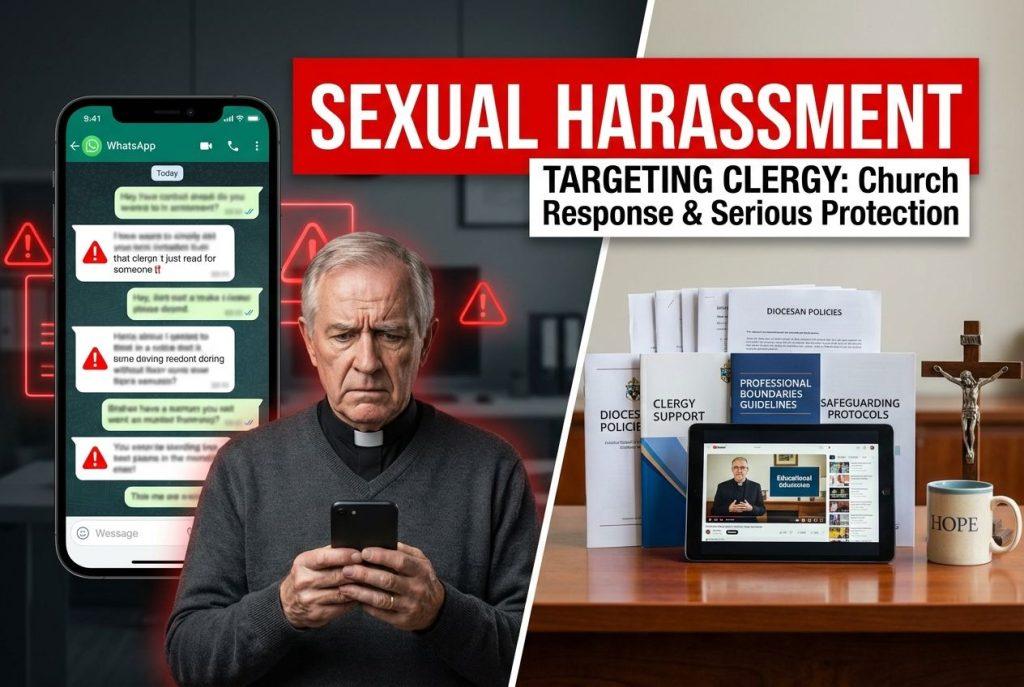
- Sexual harassment of Catholic clergy by parishioners through WhatsApp and other digital messaging platforms represents a serious violation of human dignity that the Church must address with clarity and pastoral care.
- The Catholic Church teaches that every person deserves respect and protection from harassment, including priests, deacons, and religious who serve in ministry.
- Digital communication technologies have created new challenges for maintaining appropriate boundaries in pastoral relationships that were not present in previous generations.
- Parishioners who engage in sexual harassment of clergy commit grave offenses against chastity, charity, and the dignity of the person as outlined in Church teaching.
- Clergy who experience harassment need clear protocols for reporting incidents, receiving support, and establishing protective boundaries without abandoning their pastoral duties.
- Dioceses and religious communities must develop comprehensive policies that address digital harassment while educating the faithful about appropriate communication with clergy.
Understanding Sexual Harassment of Clergy Through Digital Communication
Sexual harassment targeting Catholic clergy through WhatsApp and similar messaging platforms represents a growing concern that the Church must address with both pastoral sensitivity and clear moral teaching. This form of harassment occurs when parishioners or other individuals send unwanted sexual messages, images, or requests to priests, deacons, religious sisters, or brothers through digital communication channels. The immediacy and privacy of messaging apps create opportunities for behavior that individuals might not attempt in person or through more public channels. Such harassment violates the human dignity of the clergy member, disrupts their ability to serve effectively, and contradicts fundamental Catholic teachings about respect for persons and proper ordering of relationships. The Church recognizes that harassment can take many forms, including repeated unwanted contact, sexually explicit messages or images, inappropriate requests for personal relationships, persistent boundary violations, and attempts to manipulate clergy through emotional or sexual advances. These behaviors create hostile environments for ministry and can cause significant psychological and spiritual harm to those targeted. Understanding the nature and scope of this problem requires examining both the technological realities of digital communication and the theological principles that govern human interactions within the Catholic tradition.
The rise of smartphone technology and messaging applications has fundamentally changed how people communicate with clergy members. Parishioners now have unprecedented direct access to priests and religious through personal mobile devices, often bypassing traditional gatekeepers like parish secretaries or scheduled office hours. WhatsApp, in particular, allows users to send text messages, voice recordings, images, videos, and make calls directly to clergy members at any hour of the day or night. While this technology can facilitate legitimate pastoral communication and emergency contact, it also creates vulnerabilities for misuse. The private nature of these communications, combined with the casualness of messaging culture, can lead some individuals to cross appropriate boundaries that they might otherwise respect in face-to-face encounters or public settings. Additionally, the ability to send messages at any time can result in harassment through excessive contact, even when individual messages might seem innocent. The Church must recognize that the same tools that enable effective ministry can also be weaponized for harmful purposes, requiring new approaches to protecting clergy while maintaining pastoral availability.
Catholic teaching provides a clear foundation for understanding why harassment of any kind contradicts the Gospel and the dignity owed to every human person. The Catechism emphasizes that respect for the human person proceeds from recognizing each individual as created in the image and likeness of God. This fundamental dignity applies equally to clergy and laity, and no one’s ministerial role diminishes their right to be treated with respect and to have their boundaries honored. When parishioners engage in sexual harassment of clergy, they violate principles of charity, justice, and chastity that form the core of Christian moral life. Such behavior reduces the clergy member from a person worthy of reverence and respect to an object of inappropriate desire or manipulation. The Church teaches that all people are called to chastity according to their state of life, and this includes respecting the celibacy and religious commitments of ordained and consecrated persons. Harassment represents a profound failure to love one’s neighbor properly and to respect the vocations that clergy have embraced in service to God and the Church.
The psychological and spiritual impact of harassment on clergy members can be severe and long-lasting. Priests, deacons, and religious who experience sexual harassment often feel violated, confused about how to respond, and isolated in their suffering. Many fear that reporting harassment will not be taken seriously or that they will somehow be blamed for the behavior of others. Clergy may worry about scandal, damage to their reputations, or the possibility that attempting to address harassment will harm their ministry or relationships with parishioners. Some harassment victims experience symptoms similar to other forms of trauma, including anxiety, difficulty sleeping, hypervigilance, and avoidance of situations where they might encounter the harasser. The spiritual dimension adds additional complexity, as clergy members may struggle with feelings of unworthiness, questions about their vocation, or doubts about their ability to serve effectively. When harassment goes unaddressed, it can lead to burnout, depression, and even departure from ministry. The Church has a responsibility to protect clergy from these harms just as it works to protect vulnerable members of the faithful.
Sexual harassment differs from other boundary violations in its explicitly sexual nature and its potential to cause particular forms of harm. While all inappropriate contact with clergy requires attention, harassment involving sexual content creates unique challenges. The Catechism addresses offenses against chastity in detail, noting that actions which misuse sexuality or reduce persons to objects of sexual gratification violate human dignity in grave ways. When parishioners send sexually explicit messages or images to clergy, they commit offenses that fall within categories the Church has always condemned. These actions seek sexual pleasure outside the proper context of marriage while simultaneously violating the sacred trust inherent in the clergy-parishioner relationship. The harassment becomes even more serious when it targets clergy who have taken vows of celibacy, as it represents an attack not only on their personal dignity but also on their religious commitments. The Church must be clear that such behavior constitutes grave matter and requires serious pastoral response, including potential canonical consequences for the offender.
The power dynamics inherent in clergy-parishioner relationships add complexity to harassment situations. While society often focuses on clergy abusing power over vulnerable individuals, harassment of clergy by parishioners involves its own power dynamics that merit attention. Some harassers may threaten to make false accusations against clergy if their advances are rejected, creating situations where clergy members feel trapped and unable to respond effectively. Others may weaponize their positions as influential parish members, substantial donors, or individuals with community standing to intimidate clergy into tolerating inappropriate behavior. These dynamics can leave clergy feeling powerless despite their formal authority within Church structures. Additionally, some harassers specifically target clergy precisely because of their celibate state, viewing them as challenges to be conquered or as individuals who might be particularly vulnerable to attention and affection. Understanding these dynamics helps the Church develop responses that protect clergy while maintaining appropriate pastoral relationships with the broader community.
Technology creates particular challenges for maintaining appropriate boundaries that traditional pastoral practice did not anticipate. The personal nature of mobile phones, the casualness of messaging culture, and the expectation of quick responses all contribute to situations where boundaries can easily be violated. When clergy give their phone numbers for legitimate pastoral purposes, they open channels that can be misused by individuals with harmful intentions. The ability to send messages at any hour means that harassers can intrude into clergy members’ private time and spaces in ways that would have been impossible in earlier eras. Screenshots of conversations can be manipulated or taken out of context, creating additional vulnerabilities. The global reach of messaging platforms means that harassment can continue even when clergy members change assignments or relocate. These technological realities require the Church to develop new protocols and provide clear guidance about digital communication that balances pastoral availability with necessary protections.
The cultural context surrounding discussions of sexual harassment has evolved substantially in recent years, creating both opportunities and challenges for addressing this issue within Church settings. Broader societal awareness of harassment as a serious problem has made more people willing to report incidents and seek support. However, this same awareness has sometimes created skepticism about claims made by those in positions of authority, including clergy. Some may find it difficult to believe that priests or religious could be victims of harassment, assuming that their power and status protect them from such treatment. Others may minimize the harm caused by harassment of men, viewing it as less serious than harassment of women. The Church must resist these cultural blind spots while engaging productively with legitimate insights about power, accountability, and the importance of believing and supporting those who report harassment. Creating environments where clergy feel safe reporting harassment requires addressing these cultural factors honestly and developing responses grounded in Catholic anthropology and moral teaching.
Prevention of harassment requires education of the faithful about appropriate communication with clergy and respect for their dignity and vocations. Many Catholics have never received clear instruction about boundaries in pastoral relationships or about how their communications with clergy should reflect Gospel values. Some may not understand that behavior they consider flattering or affectionate actually constitutes harassment. Others may rationalize their actions by imagining that clergy are lonely or that expressions of sexual interest somehow affirm their humanity. Comprehensive education must help the faithful understand that respect for clergy includes honoring their celibacy, respecting their need for private time and space, and communicating in ways that recognize the sacred nature of their vocations. This education should begin in formation programs for young people and continue through adult faith formation, emphasizing that harassment represents a failure of charity and a violation of basic Christian duties toward others. When parishes and dioceses prioritize this education, they create cultures where harassment is less likely to occur and more likely to be recognized and rejected when it does.
The response to harassment must balance several important considerations, including protecting the dignity and safety of clergy, maintaining pastoral relationships where possible, addressing the spiritual needs of those who engage in harassment, and preventing future incidents. This balance requires careful discernment and consultation with experts in canon law, psychology, and pastoral theology. Simple solutions that either ignore the problem or respond with excessive harshness fail to reflect the Church’s commitment to both justice and mercy. When harassment occurs, the immediate priority must be ensuring the safety and well-being of the targeted clergy member. This includes taking reports seriously, documenting incidents carefully, and implementing protective measures as needed. At the same time, the Church recognizes that some individuals who engage in harassment may be acting from places of psychological distress, spiritual confusion, or misunderstanding of appropriate behavior. Pastoral responses should include opportunities for education, spiritual direction, and psychological support when appropriate, while maintaining clear consequences for continued harmful behavior.
Theological Foundations for Addressing Harassment
Catholic moral theology provides essential foundations for understanding why harassment violates fundamental principles of the faith and how the Church should respond. The principle of human dignity stands at the center of Catholic social teaching and moral reasoning. Every person possesses inherent worth and value as created in the image and likeness of God, regardless of their state of life, occupation, or role within the Church (CCC 1929). This dignity cannot be earned or forfeited, and it demands respect from all other persons. When parishioners harass clergy through sexual messages or unwanted contact, they fail to respect this fundamental dignity, treating clergy members as objects for their own gratification rather than as persons worthy of reverence. The Church teaches that respect for the human person entails respect for the rights that flow from human dignity, including the right to be recognized as a free and responsible being and the right to privacy and personal integrity (CCC 1930). Harassment violates these rights systematically, making it incompatible with authentic Christian living.
The virtue of chastity forms another essential theological foundation for addressing harassment of clergy. The Catechism defines chastity as the successful integration of sexuality within the person and the inner unity of body and spirit (CCC 2337). All Christians are called to practice chastity according to their particular state of life, whether married, single, or consecrated. For clergy who have embraced celibacy, this call takes a specific form that involves offering their capacity for love and relationship entirely to God and the people they serve. When individuals engage in sexual harassment of celibate clergy, they attack this consecrated way of life and attempt to draw clergy into behaviors and relationships that contradict their vocational commitments. The Catechism teaches that chastity includes an apprenticeship in self-mastery, which trains persons in authentic freedom (CCC 2339). Those who harass others demonstrate a failure of this self-mastery, allowing disordered desires to control their behavior rather than governing their passions with reason and virtue. The Church must help all the faithful understand that respecting the chastity of clergy represents an essential dimension of living one’s own call to virtue.
The commandment to love one’s neighbor as oneself provides additional theological grounding for addressing harassment. Jesus identifies love of neighbor as second only to love of God in importance, and the entire moral law depends on these two great commandments. True love seeks the good of the other person, respects their dignity and freedom, and never reduces them to instruments for one’s own satisfaction. Sexual harassment fundamentally contradicts authentic love because it prioritizes the harasser’s desires over the well-being and dignity of the targeted person. The Catechism emphasizes that charity, the theological virtue by which we love God above all things and our neighbor as ourselves, must animate all other virtues (CCC 1822). When charity guides our actions, we naturally respect appropriate boundaries, honor the commitments others have made, and refrain from behavior that would harm or distress our neighbors. Teaching the faithful to love clergy authentically means helping them understand that true love expresses itself through respect, appropriate boundaries, and support for their ministry, not through harassment or attempts to violate their vocational commitments.
Justice also demands that the Church address harassment of clergy with seriousness and clarity. Catholic teaching on justice emphasizes that each person must receive what is due to them, and that social relationships should reflect proper ordering and respect for rights. Clergy have a right to work in environments free from harassment, just as all workers do. When the Church fails to protect clergy from harassment or minimize its significance, it perpetrates injustice against those who have dedicated their lives to service. Canon law recognizes the rights of clergy to good reputation and privacy, and harassment violates both. The virtue of justice requires that those who engage in harassment face appropriate consequences, both for their own spiritual good and to protect others. These consequences might include requirements for counseling, restrictions on contact with clergy, or in serious cases, canonical penalties. Justice also demands that the Church provide support and resources to clergy who experience harassment, ensuring they receive the care needed to heal and continue their ministry effectively.
The theology of priesthood and religious life illuminates why harassment of clergy carries particular gravity beyond the harm it causes to individuals. Catholic teaching holds that priests act in the person of Christ in certain sacramental actions and that their ministry participates in Christ’s own priesthood. Religious brothers and sisters embrace distinctive vocations of consecrated life that witness to Gospel values. When individuals harass clergy, they show disrespect not only to the individual person but also to the sacred roles they fulfill and the divine calling they have answered. This adds a dimension of sacrilege to harassment, as it involves contempt for things set apart for God’s service. The faithful should approach clergy with reverence appropriate to their sacred roles while still recognizing their full humanity. This balance allows for genuine human relationship while maintaining respect for the boundaries that clergy vocations require. Teaching this proper understanding of ordained and consecrated life helps create cultures where harassment becomes unthinkable because the faithful internalize proper respect for those who serve in these capacities.
The concept of scandal provides another lens for understanding the severity of harassment. In Catholic theology, scandal refers to attitudes or behaviors that lead others into sin or that damage the moral fabric of the community. When harassment of clergy occurs and goes unaddressed, it creates scandal in multiple ways. It suggests that the Church does not take harassment seriously or protect its ministers. It may cause others to lose respect for clergy or to doubt the integrity of Church leadership. It can lead vulnerable individuals to imitate harmful behaviors, thinking them acceptable. Those who harass clergy through sexual messages or contact give scandal by their actions, potentially influencing others to view such behavior as normal or acceptable. The Church has a responsibility to prevent and address scandal by responding firmly to harassment, protecting clergy, and making clear that such behavior contradicts Gospel values. This obligation to prevent scandal requires public clarity about standards of behavior while maintaining appropriate confidentiality regarding specific cases and individuals.
The practice of fraternal correction, deeply rooted in Scripture and tradition, offers guidance for addressing those who engage in harassment. Jesus teaches that when someone sins, we should approach them privately to seek their repentance and restoration. The goal of fraternal correction is always the spiritual good of the person who has erred, helping them recognize their sin and return to right relationship with God and community. When individuals harass clergy, they need correction that helps them understand the gravity of their actions and their incompatibility with Christian life. This correction should be offered with charity and patience, recognizing that some people may genuinely not understand that their behavior constitutes harassment or why it causes harm. However, fraternal correction also includes escalating responses when initial efforts fail, potentially involving church authorities and formal consequences. The Church must balance mercy and accountability, always seeking the conversion and healing of those who sin while protecting potential victims from ongoing harm.
Practical Responses and Protective Measures
Developing comprehensive policies for addressing digital harassment of clergy requires collaboration among canon lawyers, mental health professionals, technology experts, and experienced pastoral leaders. These policies must clearly define what constitutes harassment, specify procedures for reporting and investigating claims, outline support available to those targeted, and establish consequences for those who engage in harassment. Effective policies distinguish between different types of problematic behavior, recognizing that appropriate responses vary based on severity, frequency, and context. A single inappropriate message might warrant a warning and education, while persistent harassment despite correction requires more serious intervention. Policies should specify who within diocesan or religious community structures holds responsibility for receiving reports, conducting investigations, and implementing responses. Clear timeframes for each stage of the process help ensure that reports receive prompt attention. Transparency about policies and procedures, while maintaining appropriate confidentiality about specific cases, helps build trust and encourages reporting.
Training for clergy about recognizing and responding to harassment represents an essential component of prevention and protection. Many priests, deacons, and religious have never received instruction about what constitutes harassment or how to establish and maintain appropriate boundaries in digital communication. Comprehensive training helps clergy identify warning signs of inappropriate behavior before it escalates to harassment. These signs might include excessive contact, messages sent at unusual hours, inquiries into clergy members’ personal lives beyond appropriate pastoral interest, or attempts to engage in conversations with romantic or sexual undertones. Training should provide concrete strategies for responding to boundary violations, including scripts for addressing inappropriate behavior directly, guidance about when to involve supervisors or authorities, and instruction in documentation of incidents. Regular refresher training ensures that clergy stay current with evolving technology and cultural norms while reinforcing the importance of maintaining protective practices.
Technology itself offers tools that can help clergy maintain appropriate boundaries while remaining pastorally available. Many smartphones and messaging applications include features that allow users to control when and how they receive messages, block specific contacts, and report harassment to platform providers. Clergy can use separate devices or phone numbers for ministry communication, creating clearer boundaries between their pastoral and private lives. Some dioceses provide clergy with official communication devices while encouraging them to maintain completely private personal phones. Messaging apps with end-to-end encryption offer privacy advantages but can also create vulnerabilities by making communications harder to monitor or document. The Church should provide guidance about which technologies clergy should use for pastoral communication, considering both effectiveness and safety. Additionally, technology policies might require clergy to use communication methods that create appropriate documentation, such as email rather than messaging apps, for certain types of pastoral interactions.
Support systems for clergy who experience harassment must address both immediate safety needs and long-term healing. When a clergy member reports harassment, the initial response should include assessing their immediate safety, helping them block or avoid contact with the harasser, and providing emotional support. Many clergy will benefit from counseling with therapists who understand both trauma and the unique pressures of ministerial life. Spiritual direction can help clergy process their experiences in light of their vocations and faith. Peer support from other clergy who have experienced similar situations can reduce isolation and provide practical coping strategies. Some clergy may need temporary reassignment or modifications to their ministry while healing from harassment trauma. The Church should ensure that seeking support or reporting harassment never results in negative consequences for the clergy member, such as assignment to less desirable positions or questions about their fitness for ministry. Creating cultures where clergy feel safe reporting harassment requires consistent demonstration that those who come forward receive support rather than blame or suspicion.
Canonical procedures provide formal mechanisms for addressing serious or persistent harassment through Church law. Canon law recognizes various offenses and penalties that may apply to harassment situations, though specific applications depend on circumstances and require expert interpretation. Diocesan bishops and religious superiors hold authority to impose penalties ranging from warnings to removal from ministry for serious violations of church law and discipline. When harassment constitutes criminal behavior under civil law, such as stalking or distribution of pornographic material, church authorities may need to report to civil authorities and cooperate with criminal investigations. Canonical processes should complement rather than replace civil legal processes when appropriate. Victims of harassment may also have recourse to civil law, potentially filing restraining orders or pursuing other legal remedies. The Church should provide canonical and civil legal counsel to clergy who need to take such steps, recognizing that protecting oneself through legal means does not contradict Gospel values when other approaches have failed.
Education of seminary formators and religious formation directors about harassment prevention must become standard practice. Those responsible for preparing candidates for priesthood and religious life need training to help candidates develop healthy approaches to relationships, clear understanding of appropriate boundaries, and skills for managing the particular challenges of celibate life in contemporary culture. Formation programs should include explicit discussion of harassment and how to prevent and respond to it. Candidates should learn to recognize potentially problematic behaviors in themselves and others, to establish clear boundaries from the beginning of ministry, and to seek help when situations become difficult to manage alone. Assessment of candidates should include evaluation of their capacity for appropriate relationships and respect for boundaries. Formation for chastity must go beyond simply teaching rules to helping candidates develop interior freedom and integration that allows them to live their commitments joyfully and resist temptations to inappropriate behavior.
Pastoral care for those who engage in harassment must balance accountability with the possibility of conversion and healing. When individuals are confronted about harassing behavior, their initial responses often include denial, minimization, or attempts to shift blame. Skilled pastoral leaders can help people move beyond these defenses to genuine recognition of their actions and their effects. Some who harass clergy suffer from mental health conditions, addictions, or histories of trauma that contribute to their behavior without excusing it. Appropriate referral to mental health professionals can address underlying issues while the Church maintains necessary boundaries. Others may benefit from spiritual direction that helps them understand why their behavior contradicts their faith and develop healthier patterns. In some cases, genuine repentance and change allow for gradual restoration of relationship and participation in parish life, though this must never come at the expense of the safety or comfort of the clergy member who was targeted.
Creating accountability structures within parishes and dioceses helps prevent harassment and ensures appropriate responses when it occurs. Pastoral councils, finance councils, and other parish leadership bodies should receive education about harassment and their role in fostering respectful environments. These groups can help establish parish norms about communication with clergy and address concerning behaviors when they observe them. Regular parish teaching about appropriate relationships and boundaries reinforces these norms throughout the community. Anonymous reporting mechanisms allow individuals to raise concerns about potential harassment without fear of retaliation. Regular reviews of communication policies and practices help identify areas where additional safeguards might be needed. When parishes and dioceses demonstrate consistent commitment to preventing and addressing harassment, they create cultures where inappropriate behavior is less likely to occur and more likely to be rejected by the community when it does.
Moving Forward With Clarity and Compassion
The Catholic Church must address the reality of harassment of clergy by parishioners as part of its broader commitment to human dignity, justice, and the flourishing of all persons. This requires honest acknowledgment that such harassment occurs, education of the faithful about appropriate relationships with clergy, development of clear policies and procedures, and consistent application of consequences when boundaries are violated. The digital age has created new vulnerabilities that require thoughtful responses grounded in timeless moral principles. Technology continues to evolve rapidly, and the Church must remain vigilant about emerging forms of harassment and exploitation that may arise. Ongoing dialogue between clergy, laity, canonists, ethicists, and technology experts will help ensure that church policies remain relevant and effective. Regular assessment of policies and practices allows for adjustment based on experience and changing circumstances. The goal of all these efforts should be creating environments where clergy can serve effectively while maintaining appropriate boundaries, where the faithful understand and practice authentic charity toward their spiritual leaders, and where harassment is recognized as incompatible with Christian life.
The witness value of how the Church responds to harassment extends beyond protection of individual clergy members. When the Church demonstrates genuine commitment to protecting all persons from harassment and abuse, regardless of their status or position, it gives credible witness to the Gospel message of human dignity and love of neighbor. Conversely, when the Church fails to protect clergy from harassment or minimizes its significance, it undermines its moral authority and fails in its mission. Young people considering vocations to priesthood or religious life need assurance that the Church will protect them from harassment and provide support if they experience it. Current clergy need to know that coming forward about harassment will not jeopardize their ministry or reputation. The faithful need clear teaching about how their behavior toward clergy either supports or undermines the Gospel values they profess. Consistent, principled responses to harassment of clergy strengthen the Church’s ability to address all forms of abuse and harassment within its communities.
Collaboration with other Christian communities and religious traditions can enrich the Church’s understanding and response to clergy harassment. Many faith communities face similar challenges regarding harassment of religious leaders through digital communication. Sharing experiences, policies, and best practices across denominational lines allows each community to learn from others’ successes and failures. Ecumenical dialogue about appropriate boundaries in pastoral relationships, the unique vulnerabilities of celibate and consecrated persons, and effective prevention strategies can benefit all involved. Such collaboration also witnesses to shared commitment to human dignity and proper ordering of relationships that transcends denominational differences. While maintaining distinctive Catholic theology and practices, the Church can engage productively with insights from other traditions about protecting religious leaders while maintaining pastoral availability.
Research into the prevalence and effects of harassment of clergy would help the Church better understand and address this issue. Currently, limited systematic data exists about how commonly Catholic clergy experience harassment, what forms it typically takes, how it affects their ministry and well-being, and what interventions prove most effective. Surveys of clergy about their experiences, studies of existing policies and their effectiveness, and longitudinal research tracking outcomes for those who experience harassment could inform policy development and resource allocation. Such research must be conducted with appropriate ethical safeguards, including protection of confidentiality and trauma-informed approaches. Universities, seminaries, and Catholic research institutions could contribute valuable insights through systematic investigation of these questions. Evidence-based approaches to prevention and response serve the Church better than policies based solely on assumptions or anecdotal experiences.
The role of prayer and spiritual practices in both preventing and healing from harassment deserves emphasis. A faith community that regularly prays for clergy, expresses gratitude for their service, and supports their spiritual lives creates an environment less conducive to harassment. When the faithful view clergy primarily through spiritual lenses, seeing them as servants of God and the Church rather than potential romantic or sexual partners, inappropriate behavior becomes less likely. For clergy who experience harassment, spiritual practices including prayer, sacramental confession, spiritual direction, and meditation on Scripture can provide healing and perspective. These practices help clergy maintain their sense of identity and mission in the face of violations and reconnect with the divine call that motivates their service. Prayer communities within dioceses and religious orders offer support and intercession for clergy facing difficulties. While spiritual resources cannot replace professional mental health care or appropriate canonical responses to harassment, they complement these practical measures and address the spiritual dimensions of harm and healing.
Ongoing formation for all clergy about healthy relationships, appropriate boundaries, and self-care contributes to harassment prevention. Clergy who maintain strong support networks, practice good self-care, and regularly engage with continuing education about healthy boundaries are better equipped to recognize and respond to inappropriate behavior. Formation should emphasize that establishing boundaries does not reflect lack of charity or commitment to ministry but rather demonstrates wisdom and proper stewardship of one’s gifts and calling. Clergy who regularly participate in peer support groups, maintain relationships with spiritual directors, and take appropriate time for rest and renewal face less risk of isolation that can make them vulnerable to harassment. Dioceses and religious communities should provide and encourage participation in ongoing formation opportunities that address these topics alongside more traditional pastoral and theological education.
The integration of harassment prevention into broader safe environment programs represents a logical extension of work the Church has already undertaken. Most dioceses now have established protocols for protecting minors and vulnerable adults from abuse by clergy and other church personnel. These programs include background checks, training in recognizing warning signs of abuse, and clear reporting procedures. Extending these frameworks to address harassment of clergy by parishioners creates consistency and builds on existing infrastructure and expertise. Safe environment coordinators can incorporate education about appropriate communication with clergy into existing training programs. Reporting hotlines can accept reports of harassment alongside other concerns. The same commitment to creating safe environments that protects vulnerable parishioners can also protect clergy who serve them, recognizing that multiple forms of abuse and harassment may exist within church communities and all require attention.
The particular vulnerability of young clergy and religious deserves specific attention in prevention efforts. Newly ordained priests, deacons, and recently professed religious may lack experience in recognizing and responding to inappropriate behavior. Some may be particularly vulnerable to attention and affection given their transitions into new roles and communities. They may hesitate to report harassment due to concerns about appearing unable to manage ministry responsibilities or fear of damaging relationships in their new assignments. Mentorship programs that pair young clergy with experienced ministers can provide guidance about handling boundary violations and harassment. Regular check-ins from supervisors create opportunities for young clergy to raise concerns before situations become severe. Education specifically addressing the experiences and vulnerabilities of young clergy helps them recognize that seeking help represents strength and wisdom rather than weakness or failure.
Cultural sensitivity must inform how the Church addresses harassment across diverse communities. Understanding of appropriate boundaries, communication styles, and relationships with authority figures varies across cultures. What constitutes harassment in one cultural context might be interpreted differently in another. The Church must develop approaches that respect legitimate cultural diversity while maintaining core principles of human dignity and respect. This requires input from clergy and laity representing various cultural backgrounds in policy development and implementation. Training materials should include examples and scenarios that reflect diverse cultural contexts. Those responsible for receiving and investigating harassment reports need cultural competency to interpret behaviors appropriately. At the same time, the Church must resist cultural relativism that would excuse genuinely harmful behavior by attributing it to cultural differences. The fundamental principles of human dignity, chastity, and charity transcend culture, even as their application may vary in some details.
The healing and reintegration of clergy who have experienced harassment represents an important dimension of pastoral care that extends beyond immediate crisis response. Even after harassment stops and appropriate interventions occur, clergy members may struggle with lasting effects including hypervigilance, difficulty trusting parishioners, or doubts about their vocations. Long-term counseling and spiritual direction can help process these experiences and move toward healing. Some clergy may benefit from temporary changes in assignment that allow healing before returning to similar ministry contexts. Others may find that their harassment experiences, once healed, equip them to minister more effectively to others who have suffered violations and trauma. Creating supportive environments where clergy can honestly discuss their ongoing struggles without judgment helps reduce isolation. Recognizing that healing from harassment may take considerable time and that recovery is not always linear allows for patient, sustained support rather than premature expectations that clergy should simply move on from their experiences.
The involvement of lay leadership in addressing harassment of clergy creates important accountability while respecting proper roles and relationships within the Church. Lay members of pastoral councils, diocesan review boards, and safe environment committees can contribute valuable perspectives about policies and procedures. Their participation helps ensure that responses reflect the experiences and insights of the broader faithful rather than only clerical viewpoints. Lay professionals including lawyers, mental health counselors, human resources experts, and technology specialists offer specialized knowledge essential for developing effective policies. However, lay involvement must respect the distinctive roles of ordained ministers and canonical structures while contributing to shared goals of protecting all persons and fostering healthy communities. Collaboration between clergy and laity in addressing harassment models the complementary roles of different members of the Body of Christ working together for the common good.
Ultimately, addressing harassment of clergy reflects the Church’s commitment to living the Gospel in all dimensions of communal life. When Catholics treat their spiritual leaders with genuine love, respect, and appropriate boundaries, they practice charity in concrete ways. When the Church protects clergy from harassment while maintaining their pastoral availability, it demonstrates that justice and mercy can coexist. When communities create cultures where harassment is unthinkable because human dignity is universally respected, they witness to Kingdom values. The digital age presents new challenges that require thoughtful responses, but the fundamental moral principles guiding these responses remain rooted in timeless truths about human dignity, proper relationships, and authentic love. By addressing harassment of clergy with clarity and compassion, grounded in sound theology and implemented through effective policies and practices, the Catholic Church can create environments where all persons flourish and ministry thrives according to God’s design and for the good of souls.
Disclaimer: This article presents Catholic teaching for educational purposes. For official Church teaching, consult the Catechism and magisterial documents. For personal spiritual guidance, consult your parish priest or spiritual director. Questions? Contact editor@catholicshare.com
Sign up for our Exclusive Newsletter
- 📌 Add CatholicShare as a Preferred Source on Google
- 🎁 Join us on Patreon for Premium Content
- 🎧 Check Out These Catholic Audiobooks
- 📿 Get Your FREE Rosary Book
- 📱 Follow Us on Flipboard
-

Recommended Catholic Books
Discover hidden wisdom in Catholic books — invaluable guides enriching faith and satisfying curiosity. #CommissionsEarned
- The Early Church Was the Catholic Church
- The Case for Catholicism - Answers to Classic and Contemporary Protestant Objections
- Meeting the Protestant Challenge: How to Answer 50 Biblical Objections to Catholic Beliefs
As an Amazon Associate, I earn from qualifying purchases. Thank you for your support.