Saints, Mary & Devotions
What Does the Wheat and Grapes Really Mean?
Brief Overview Wheat and grapes represent the raw materials that become bread and wine, which Christ transforms into His Body and Blood in the Eucharist. These symbols appear…
Brief Overview Wheat and grapes represent the raw materials that become bread and wine, which Christ transforms into His Body and Blood in the Eucharist. These symbols appear…
Brief Overview The ship symbol in Christian tradition represents the Church as a vessel of salvation carrying believers safely through the storms of life toward eternal life. This…
Brief Overview The Good Shepherd imagery in John 10:11-18 reveals Jesus Christ as the divine caretaker who knows, protects, and lays down His life for His sheep. This…
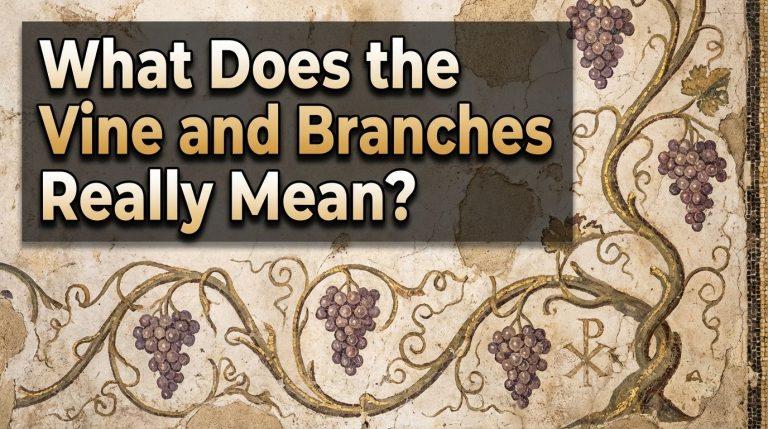
Brief Overview The vine and branches imagery in John 15:1-17 reveals Jesus Christ as the true source of spiritual life for all believers. This teaching emphasizes the absolute…
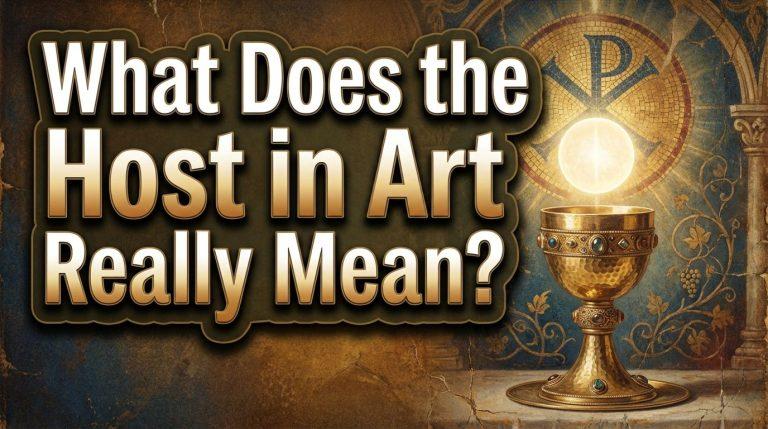
Brief Overview The Host in Catholic art represents the consecrated bread that becomes the Body of Christ through transubstantiation during Mass. Artists depict the Host to express faith…
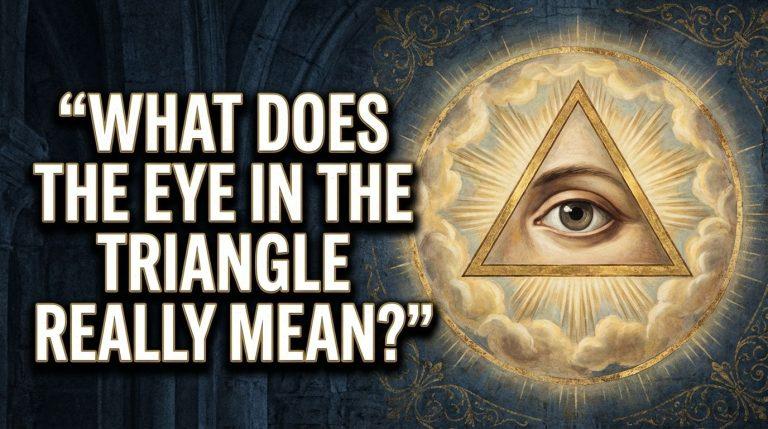
Brief Overview The eye within a triangle, known as the Eye of Providence, symbolizes God's all-seeing nature and the Holy Trinity in Christian tradition. The triangle represents the…
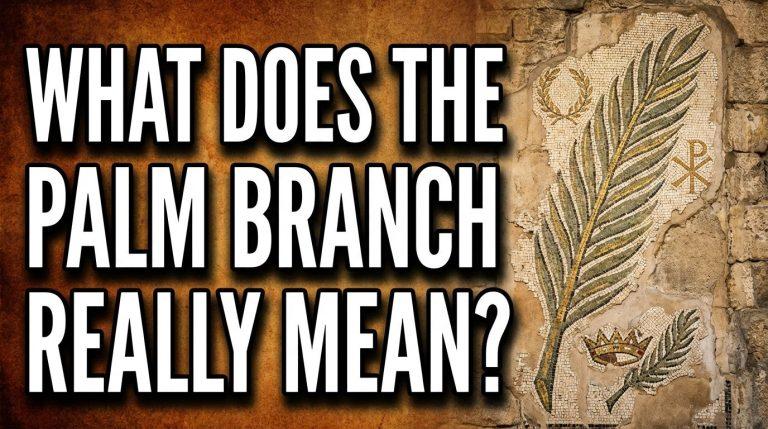
Brief Overview The palm branch symbolizes victory, triumph, and martyrdom in Christian tradition, rooted in biblical and ancient cultural practices. Palm Sunday commemorates Jesus's triumphant entry into Jerusalem…
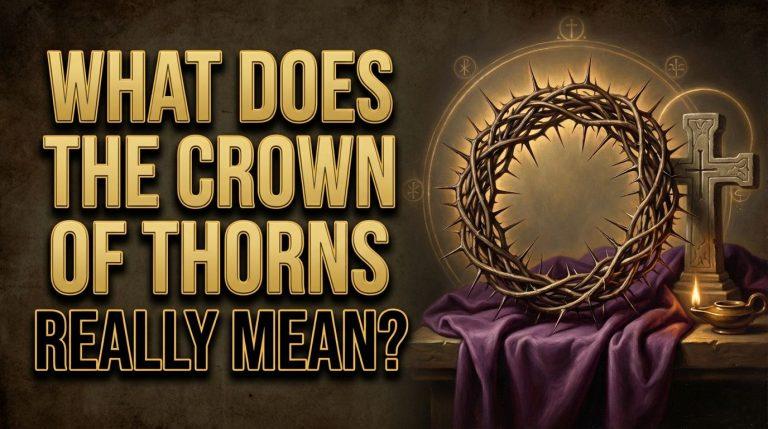
Brief Overview The crown of thorns was placed on Jesus's head by Roman soldiers as a mock symbol of kingship during His passion. This instrument of torture and…
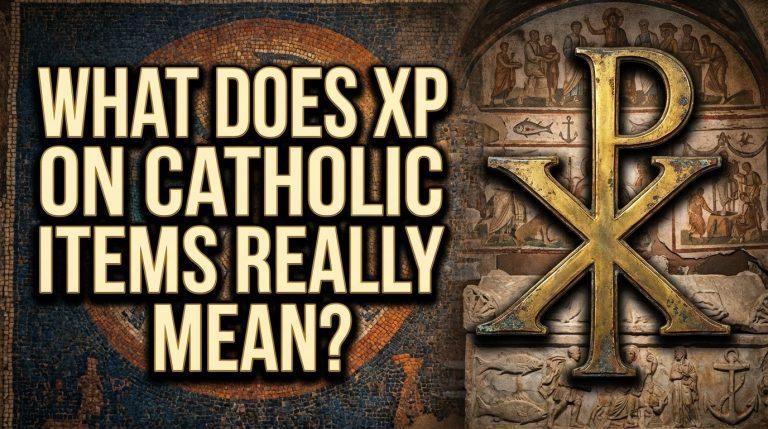
Brief Overview The XP symbol, called the Chi-Rho, combines the first two letters of Christ's name in Greek and is one of Christianity's oldest monograms. Emperor Constantine saw…
Brief Overview The anchor symbolizes Christian hope and steadfastness in faith, particularly hope in eternal life through Christ. The symbol derives from Hebrews 6:19, which describes hope as…